Volunteer Removal Programs for Aquatic Invasives
Designing safe, effective volunteer programs to support professional Ludwigia peploides management — training requirements, safety protocols, biosecurity, and program design for maximum impact.
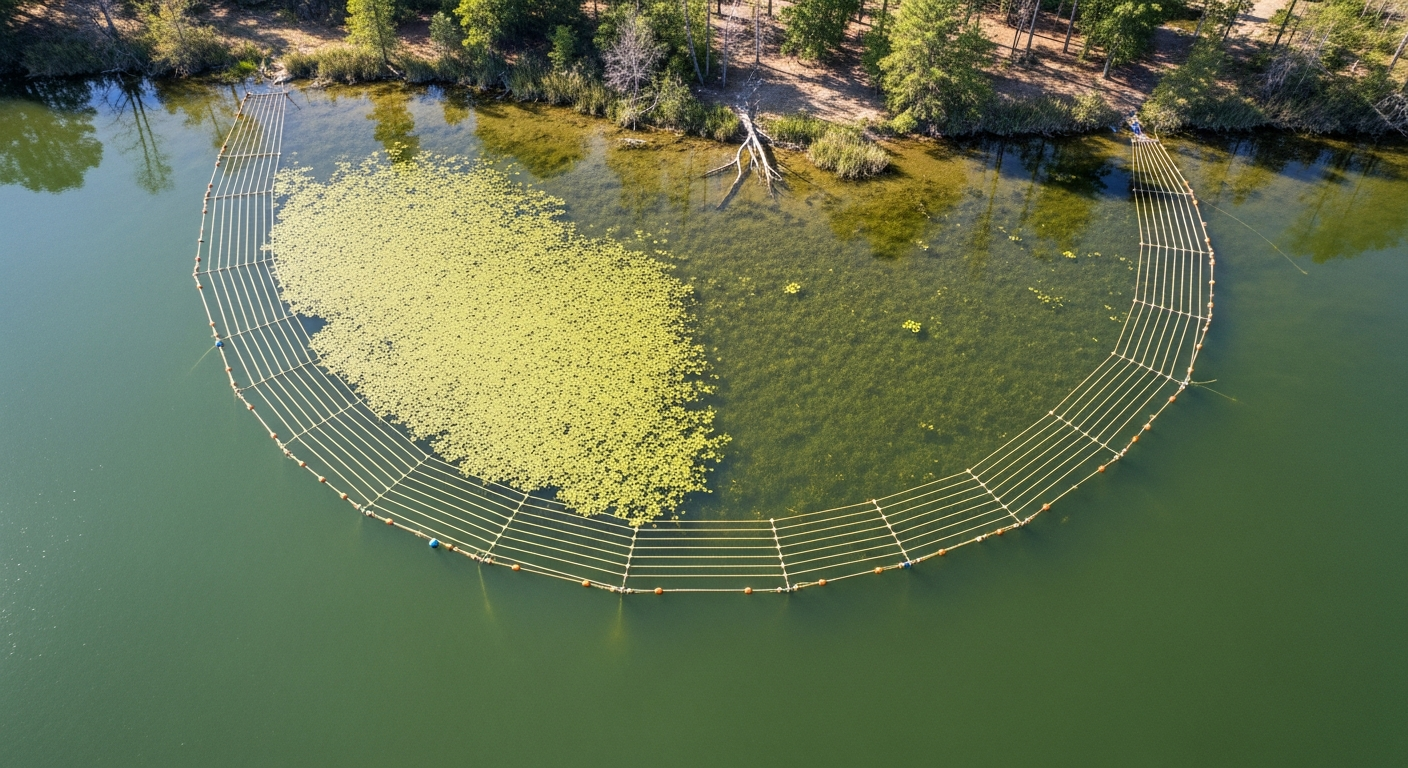
Volunteer removal programs are an important component of Ludwigia peploides management, particularly for conservation organizations, lake associations, and community groups that want to contribute to management efforts beyond their financial means. When properly designed and executed, volunteer programs can accomplish significant removal work while building community connection to conservation outcomes. When poorly executed, they can inadvertently spread the infestation and undermine management goals. This guide provides the framework for effective volunteer program design. For the cost comparison of volunteer vs professional approaches, see DIY vs Professional Removal.
When Volunteer Removal Is Effective
Volunteer removal is most effective when: (1) the target patches are small (under approximately 50–100 m²) and accessible from the bank or by wading in shallow water (under knee depth); (2) the infestation is in an early stage where stems are not yet densely matted and roots can be extracted individually; (3) the water body is accessible for volunteer access without technical aquatic equipment; (4) the removal can be completed in a single event or small number of events (repeated volunteer mobilization over weeks for large patches is organizationally difficult to sustain); and (5) professional supervision or at minimum professional training has been provided to all participants. For large established infestations — covering hundreds of square meters or more — volunteer labor cannot substitute for professional mechanical or chemical treatment, though it can assist with follow-up spot removal in years 2–5 of a management program.
Training Requirements
All volunteers must receive training before participating in Ludwigia removal events. A minimum training program covers: (1) Species identification — using the diagnostic features from our identification guide to confirm that plants being removed are indeed Ludwigia peploides and not native look-alikes; (2) Removal technique — grasping stems at the base, pulling slowly and firmly to extract root crowns, checking that the characteristic white root crown has been removed; (3) Fragment management — immediately placing all removed material into collection bags, never allowing cut stems or roots to fall into the water; (4) Disposal protocol — how collected material will be transported from site and where it will be deposited; (5) Equipment decontamination — rinsing and drying all tools and footwear before leaving the site. Training should take 2–4 hours for new volunteers and can be provided as an in-person orientation before the first event or as an online training module.
Safety Considerations
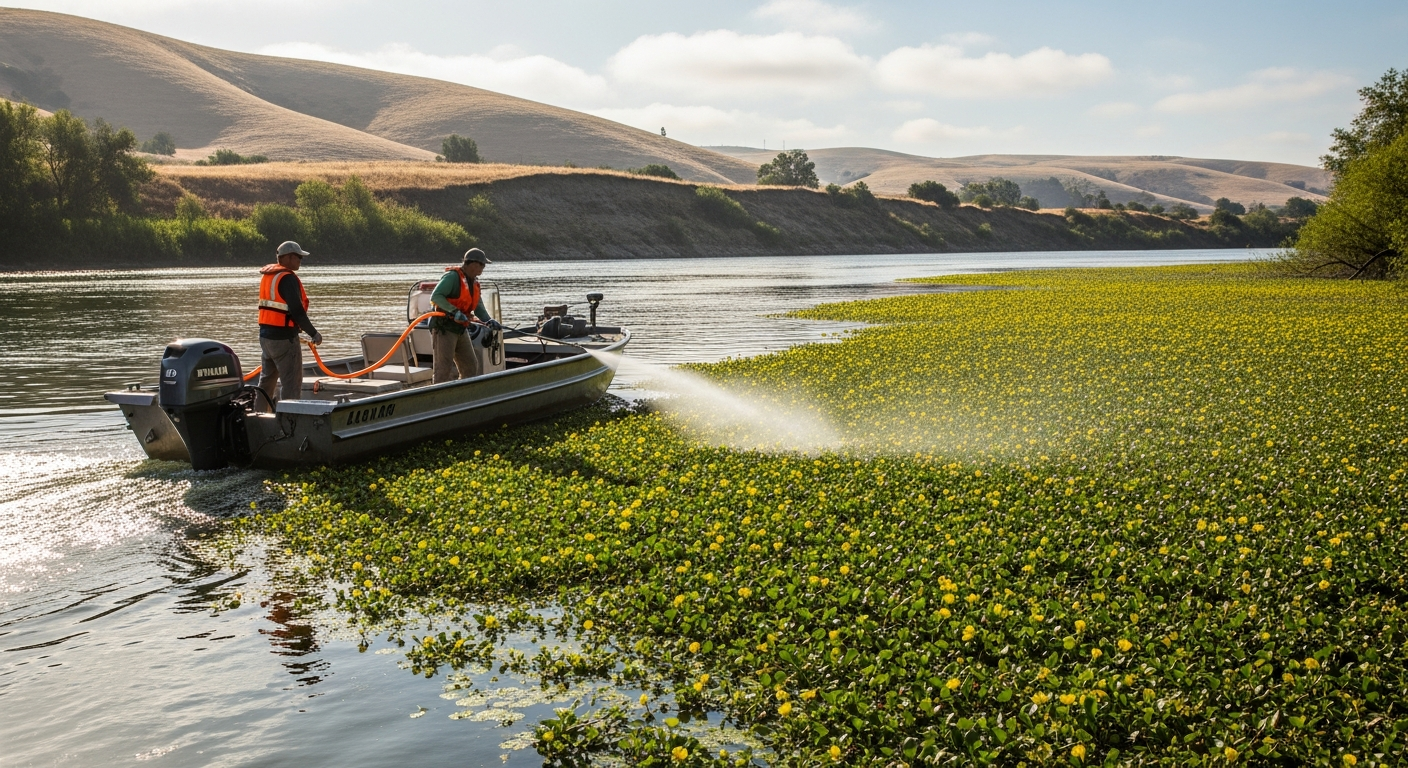
Aquatic invasive plant removal events involve potential safety hazards that must be actively managed: (1) Wading safety — volunteers should wade no deeper than knee depth without personal flotation devices (PFDs) and never alone. A buddy protocol (volunteers pair up and maintain visual contact) should be mandatory. (2) Footing and slipping — wetland and stream bank surfaces are slippery; appropriate footwear (rubber-soled boots or waders) is mandatory. (3) Sun and heat exposure — waterside removal work often occurs in full sun; sun protection, hydration breaks, and work-hour limitations are necessary especially in summer. (4) Sharp objects and biological hazards — gloves protect against sharp debris and incidental contact with aquatic organisms. (5) First aid — a first aid kit and a designated first aid person should be present at every event. (6) Emergency plan — designate a meeting point, ensure at least one person per team has a phone with signal, and post the local emergency number.
Biosecurity Protocols
Volunteers themselves can inadvertently spread invasive plant propagules if biosecurity protocols are not followed. The "Check, Clean, Dry" protocol applies to all volunteers: (1) Check all clothing, footwear, tools, and equipment for plant fragments before arriving at the site and before departing; (2) Clean footwear, tools, and equipment by scrubbing and rinsing at a designated decontamination station at the site exit; (3) Dry equipment thoroughly before use at a new site — plant fragments can survive on damp equipment for hours to days. Provide dedicated footwear for volunteers to use only at that site, or require decontamination of personal footwear before entry. Do not allow volunteers to move between multiple sites on the same day without full equipment decontamination.
Program Design
Effective volunteer programs have clear organizational structures: a professional program manager who designs the management plan and supervises field activities; site captains (often experienced volunteers) who lead individual removal teams; a volunteer coordinator who manages recruitment, training, communication, and recognition; and a data manager who records volunteer hours, GPS locations of worked areas, and observations for monitoring purposes. For larger programs, formalize the volunteer relationship with a participation agreement that covers safety responsibilities, proper technique requirements, and confidentiality about specific infestation locations (to prevent inadvertent spread of information that could lead to unauthorized public access). Volunteer hours should be documented for potential use as in-kind cost-share in grant applications — see our Funding Programs guide for how volunteer labor is valued.
Conclusion
Volunteer removal programs for Ludwigia peploides can be highly effective for early-stage infestations and as a supplement to professional management in follow-up years. The keys to success are proper training, rigorous biosecurity, active professional supervision, and a well-organized program structure that manages safety and data documentation. Properly run volunteer programs also build the community engagement and conservation ethic that sustains long-term management funding and political support. For the broader management framework in which volunteers operate, see our Integrated Management guide.