Herbicide Treatment for Ludwigia peploides
Chemical control using aquatic-approved herbicides provides the most effective tool for large-scale Ludwigia management, but requires careful selection of active ingredients, precise timing, and regulatory compliance.
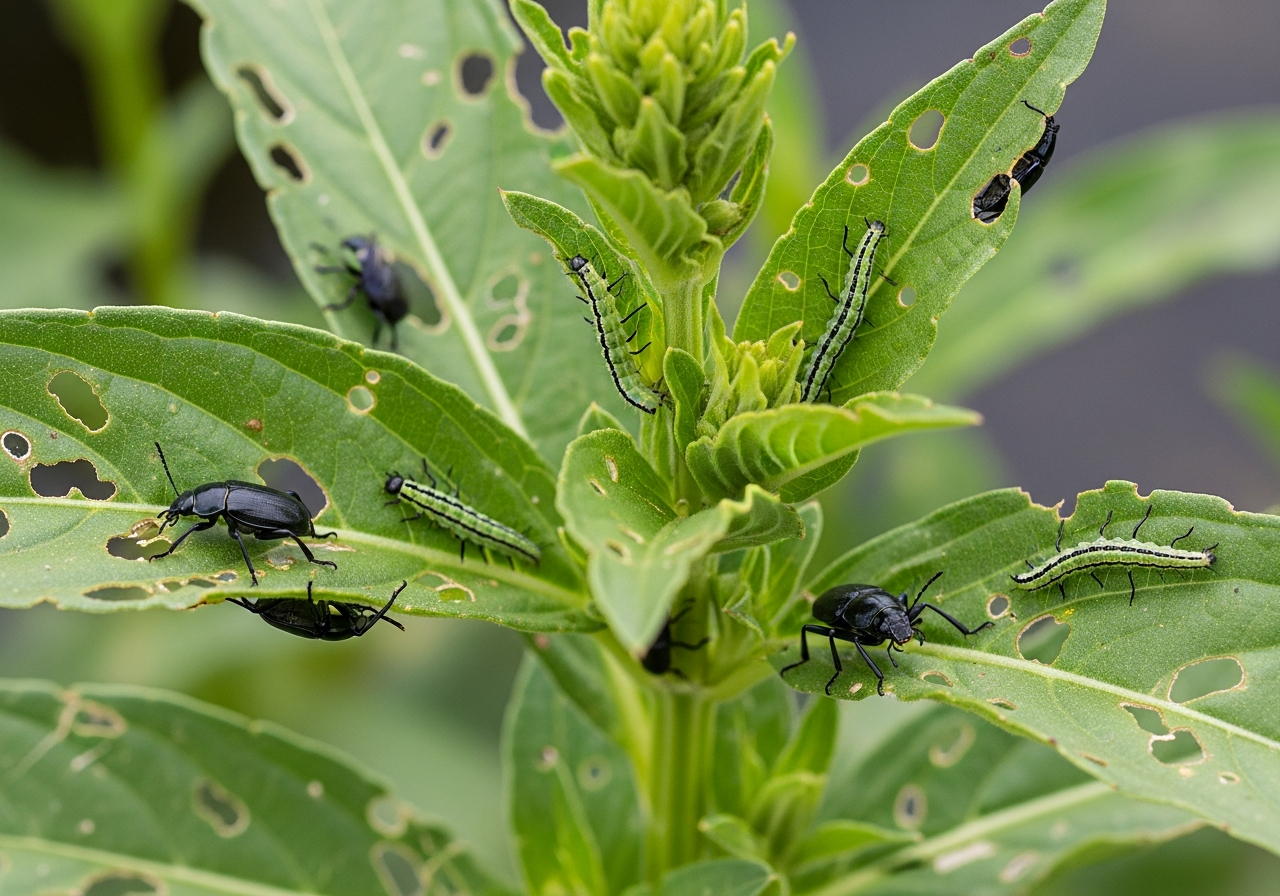
Herbicide treatment occupies a central role in evidence-based Ludwigia peploides management programs. When manually implemented at scale, the combination of rapid action, high efficacy against both above-ground and below-ground plant tissues, and reasonable cost-effectiveness makes chemical control indispensable for large-area treatment that would be logistically impossible with manual methods alone. However, herbicide applications in aquatic environments are subject to stringent regulatory requirements, require specialist knowledge for safe and effective implementation, and must be designed to minimize non-target effects on the rich ecological communities that typically inhabit the same water bodies as L. peploides.
Active Ingredients and Mechanisms of Action
Three active ingredient groups dominate current L. peploides herbicide management in jurisdictions where aquatic use is permitted: imazapyr (ALS enzyme inhibitor, HRAC Group B/2), glyphosate (EPSPS enzyme inhibitor, Group 9), and triclopyr (auxin mimic, Group 4). Each has a distinct mode of action, environmental fate, and regulatory status.
Imazapyr achieves superior rhizome kill in controlled studies — attributed to its high phloem mobility, which facilitates transport from treated shoot tissue to the overwintering rhizome system. Persistence in sediment (DT50 90–180 days) can limit non-target plant recovery but also provides residual activity against emerging seedlings. Glyphosate formulations approved for aquatic use (e.g., Rodeo in the US, Roundup ProBio in the UK under permit) achieve rapid shoot knockdown but show weaker rhizome translocation than imazapyr; multiple applications are generally required for sustained control. Triclopyr mimics plant auxins and is effective at lower doses but has higher non-target phytotoxicity to broadleaf plants, raising concerns about impacts on native emergent vegetation.
Application Timing for Maximum Efficacy
The phenological stage of L. peploides at the time of herbicide application fundamentally determines treatment efficacy. The theoretical optimum is the period of active downward (phloem) translocation of photosynthates toward rhizomes for winter storage — late summer to early autumn in temperate climates. During this period, systemic herbicides applied to leaf surfaces or stem tissues are transported along the phloem pathway to accumulate in the rhizome tissue that would otherwise sustain spring regrowth.
Early season treatments — applied during active spring growth — achieve rapid shoot kill but poor rhizome translocation, resulting in vigorous regrowth 4–8 weeks after treatment. Mid-season treatments (June–July) show intermediate results. Late autumn treatments (post-senescence) show poor uptake due to reduced transpiration and dormant-phase physiology. The late-summer window (August–October) consistently produces the highest level of rhizome damage and the slowest spring regrowth in controlled trials.
Application Methods and Equipment
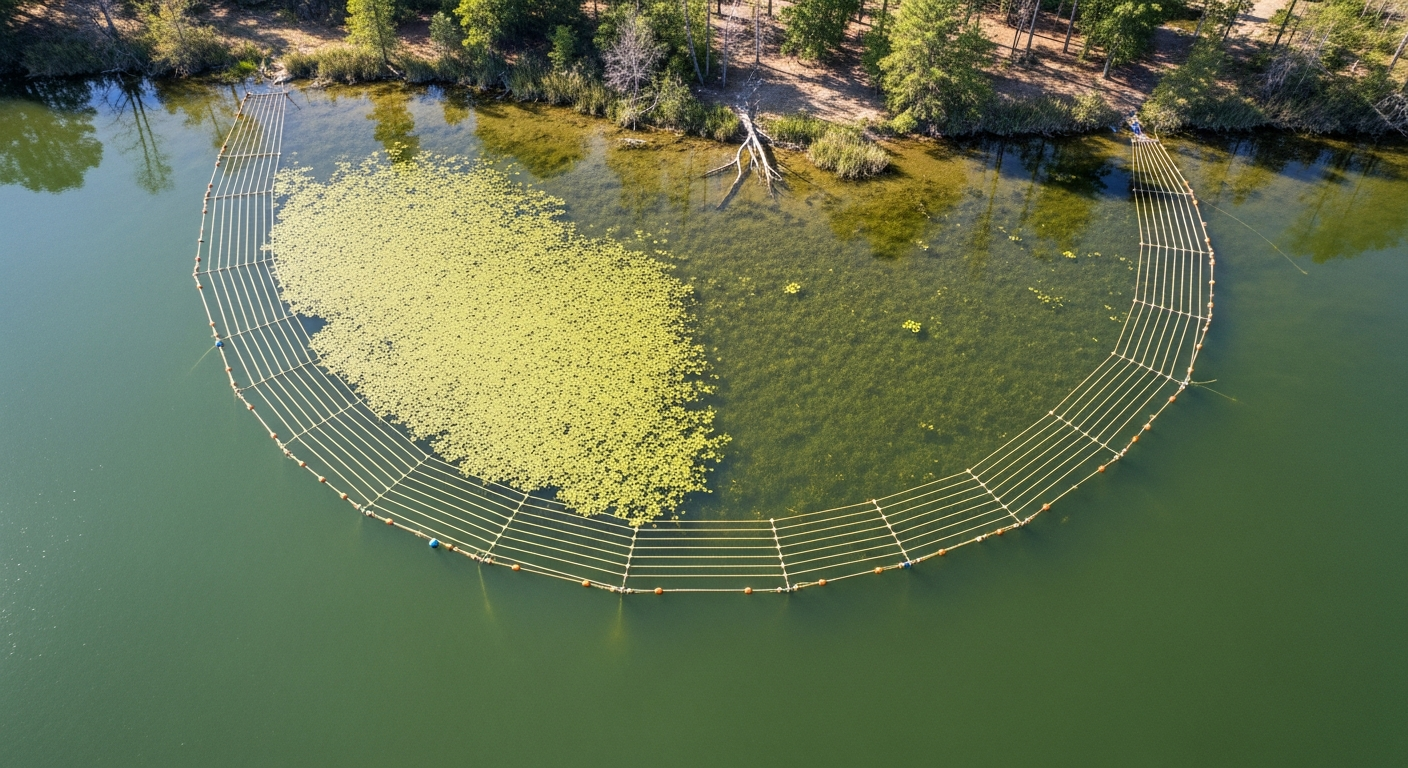
The choice of application method represents a trade-off between precision, labour efficiency, and non-target impact. Wicking and stem injection are the most precise methods but are extremely labor-intensive. Precision spot spray using backpack-mounted equipment with adjustable nozzles allows skilled operators to apply herbicide specifically to L. peploides mats while avoiding adjacent non-target vegetation — the method of choice for most professional management programs where labour is available. Boat-mounted spray equipment enables efficient treatment of large areas accessible by water but requires careful calibration to avoid excess application rates. Aerial application by drone or helicopter is used for remote or extensive infestations, with operator accuracy depending heavily on equipment precision and operator training.
Herbicide Resistance Prevention
While documented resistance in L. peploides populations is not yet established, the risk of resistance selection under intensive herbicide programs is real and should be proactively managed. Resistance prevention strategies include rotating between herbicides with different modes of action across treatment cycles, maintaining minimum lethal dose applications rather than sub-lethal rates that select for tolerant individuals, integrating non-chemical control methods to reduce overall herbicide selection pressure, and monitoring for unusual regrowth patterns that could indicate reduced sensitivity.
Conclusion
Herbicide treatment remains an irreplaceable tool in the management of large-scale L. peploides invasions, providing efficacy levels impossible to achieve with manual methods alone. The keys to effective chemical management are selection of appropriate active ingredients for the target situation, timing of application to the late-season window of optimal phloem translocation, use of application methods that minimize non-target impact, strict regulatory compliance, and integration with monitoring programs that detect early regrowth and guide subsequent treatments. As with all management tools, herbicide alone is insufficient for long-term sustainable control — it must be embedded in an integrated management program that addresses all pathways of population persistence and reinfestation.