Managing Ludwigia peploides in Protected Areas
Protected areas present unique management challenges: the regulatory and ecological constraints that restrict intervention options must be navigated carefully to achieve effective control without causing collateral damage to the conservation values being protected.
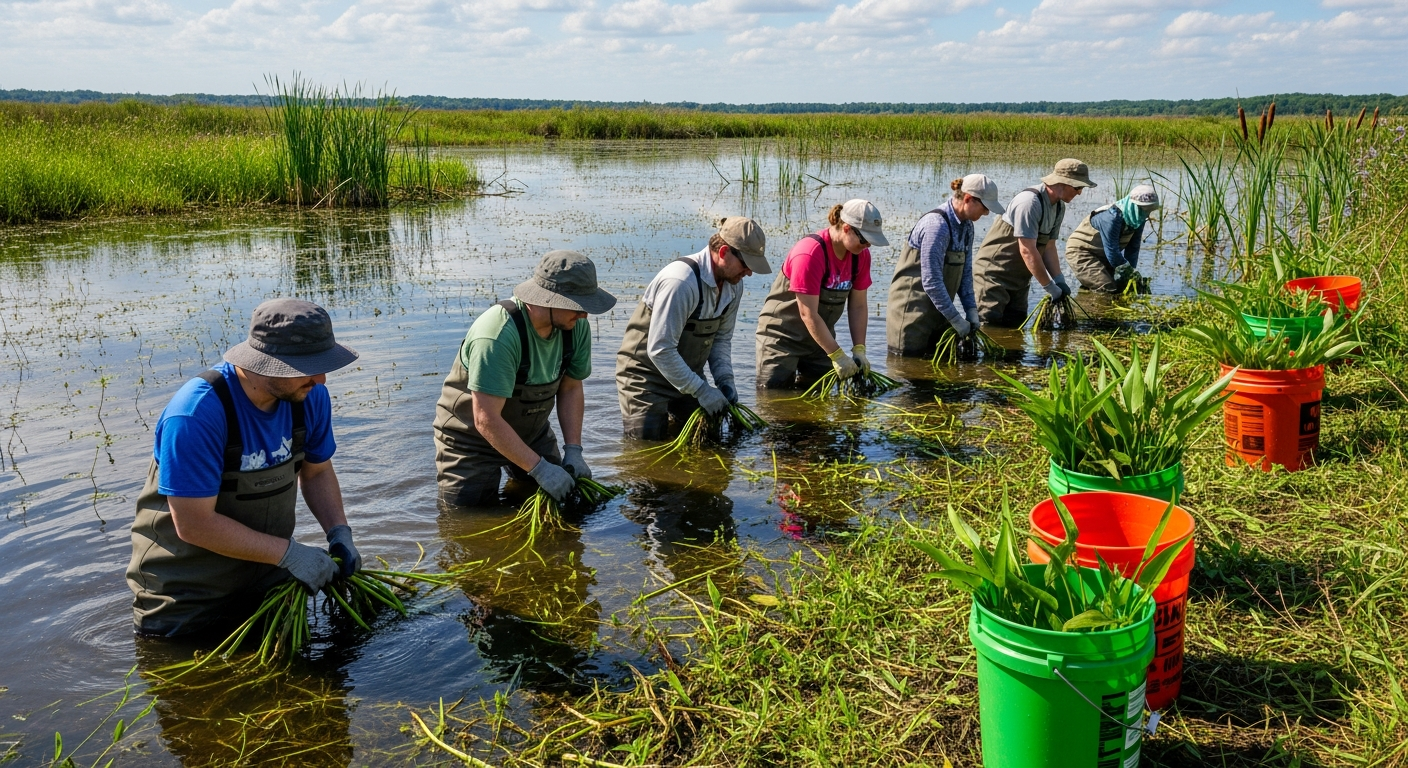
Managing invasive species in protected areas requires reconciling two potentially conflicting objectives: eliminating the invasive threat to protect biodiversity, and avoiding management interventions that damage the very ecological values the protected area was designated to conserve. For Ludwigia peploides, this tension is particularly acute. The plant's growth characteristics demand prompt, vigorous action — but the regulatory frameworks, sensitive ecological communities, and non-target species present in protected areas constrain the intervention tools available.
Protected areas where L. peploides is a management concern include Ramsar wetland sites, Natura 2000 areas, national parks, national nature reserves, and local nature reserves across Europe, the United States, and Australia. Each of these frameworks has its own regulatory architecture, but all share a common requirement for careful, evidence-based, ecologically sensitive management approaches.
Regulatory Constraints on Management Options
The regulatory environment for invasive species management in protected areas is complex and varies significantly across jurisdictions. In European Union Natura 2000 sites, management activities that could significantly affect the qualifying habitats and species must undergo Habitats Regulations Assessment (or equivalent national procedure) before implementation. This requirement applies to both direct management activities (herbicide application, mechanical harvest) and indirect activities (water level manipulation, sediment disturbance) that could affect protected habitats.
Herbicide application in or near water typically requires separate authorization from the water quality regulatory authority (e.g., Environment Agency in England, DREAL in France) in addition to nature conservation approvals. Only herbicide formulations specifically approved for aquatic use may be applied. Products must be licensed for use against the target species in the relevant habitat type. In some jurisdictions, a licensed pesticide application professional must conduct or supervise applications.
Mechanical operations using heavy equipment (excavators, harvesting machines) may require ground disturbance permits, especially in water bodies where bed and bank protection legislation applies. In the UK, any work in or near a main river requires Environment Agency consent under the Land Drainage Act. In France, operations affecting navigable waters require authorization from the relevant river authority.
Ecological Sensitivity Considerations
Protected areas are, by definition, sites of particular ecological value — often because they support rare, threatened, or otherwise significant species and habitats. Management operations targeting L. peploides must be designed to minimize collateral effects on these conservation values. Several categories of ecological sensitivity require specific consideration.
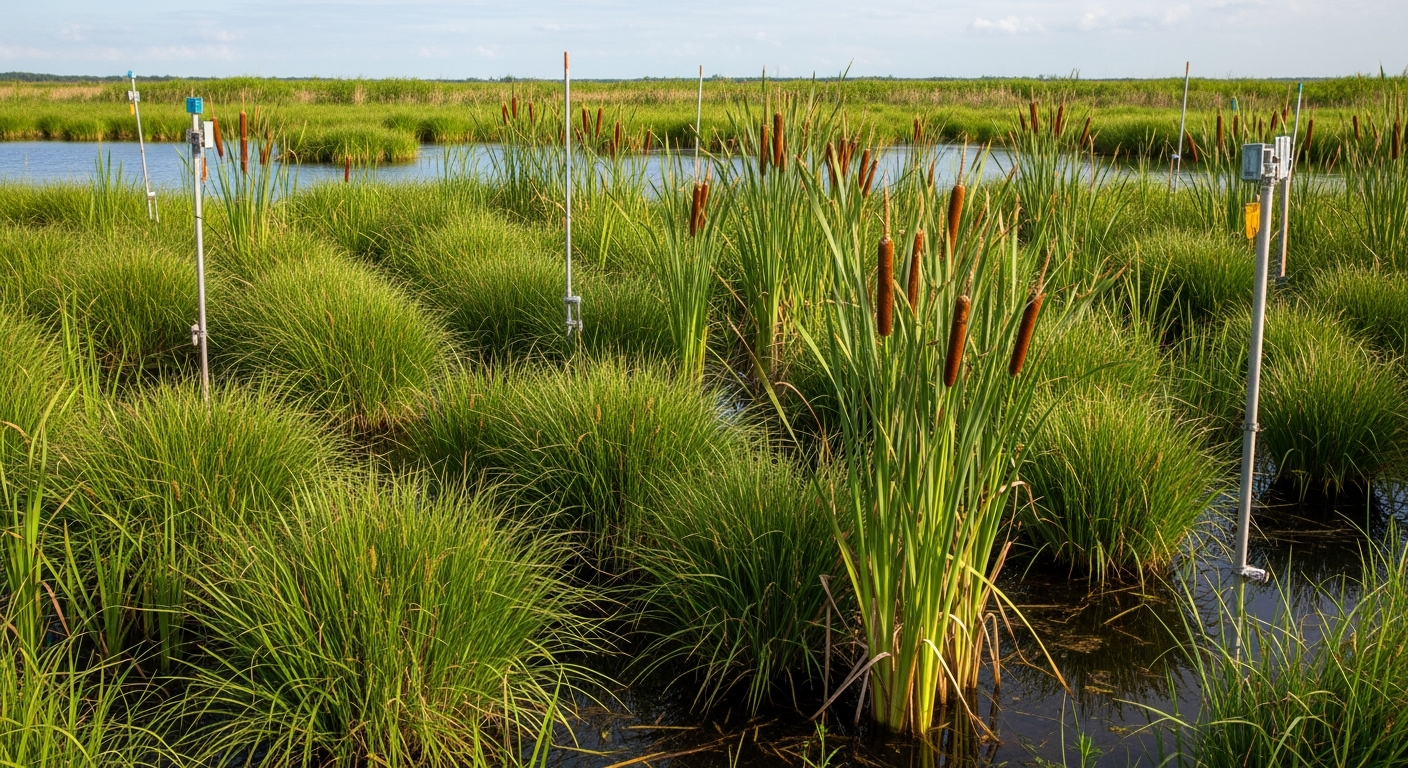
Rare and protected aquatic macrophyte communities — including species such as Luronium natans (floating water-plantain), Ranunculus aquatilis (common water-crowfoot), Groenlandia densa (opposite-leaved pondweed), and various Potamogeton species — are often present in the same water bodies targeted for L. peploides management. Turbidity generated by mechanical harvesting operations can stress and damage these light-sensitive submerged species. Herbicide drift or spillage can directly damage non-target plants, particularly other Onagraceae species that share physiological sensitivity to some herbicide modes of action.
Approved Management Methods
Within the constraints of protected area regulation and ecological sensitivity, the following management methods are most commonly employed and approved. Manual removal — physical hand-pulling, cutting, and containment — remains the default approach in the most ecologically sensitive zones and during critical ecological periods (nesting seasons, fish spawning periods). While labor-intensive, manual removal avoids chemical risks and can be precisely targeted to avoid damage to non-target plants.
Targeted herbicide application to individual plants or small patches using wicking applicators, stem-injection, or precision spray equipment minimizes non-target exposure. Aquatic-approved glyphosate formulations, imazapyr, and triclopyr are the most commonly used active ingredients, each with different modes of action, environmental persistence, and regulatory status across jurisdictions. The timing of herbicide application — typically late summer to early autumn in temperate climates — maximizes translocation to rhizomes while minimizing risk to breeding waterbirds.
Adaptive Management Frameworks
The ecological complexity of protected areas and the uncertainty surrounding long-term management outcomes make adaptive management — the systematic integration of monitoring feedback into management decision-making — especially important. An adaptive management framework for L. peploides in protected areas should include pre-intervention baseline surveys of target and non-target species, standardized monitoring protocols applied consistently before and after management, defined performance indicators (% cover reduction, native species recovery rates), explicit decision triggers for escalating or de-escalating management intensity, and regular review meetings involving managers, ecologists, and regulatory authorities.
Conclusion
Managing Ludwigia peploides in protected areas requires a careful balance between ecological urgency and regulatory compliance, between aggressive intervention and collateral damage avoidance. The most successful approaches integrate early-season detection and response, precise methods that minimize non-target impact, sustained multi-year commitment, and systematic monitoring that informs adaptive management. Protected area managers facing L. peploides invasions should engage early with regulatory authorities, develop robust management plans before the invasion escalates, and seek to learn from the growing body of documented management experience from French, British, and Australian protected area programs.