DIY vs Professional Ludwigia Removal: Cost Comparison
When volunteer and DIY removal is genuinely cost-effective vs when licensed professionals with specialized equipment deliver better long-term value — with real cost comparisons for both approaches.
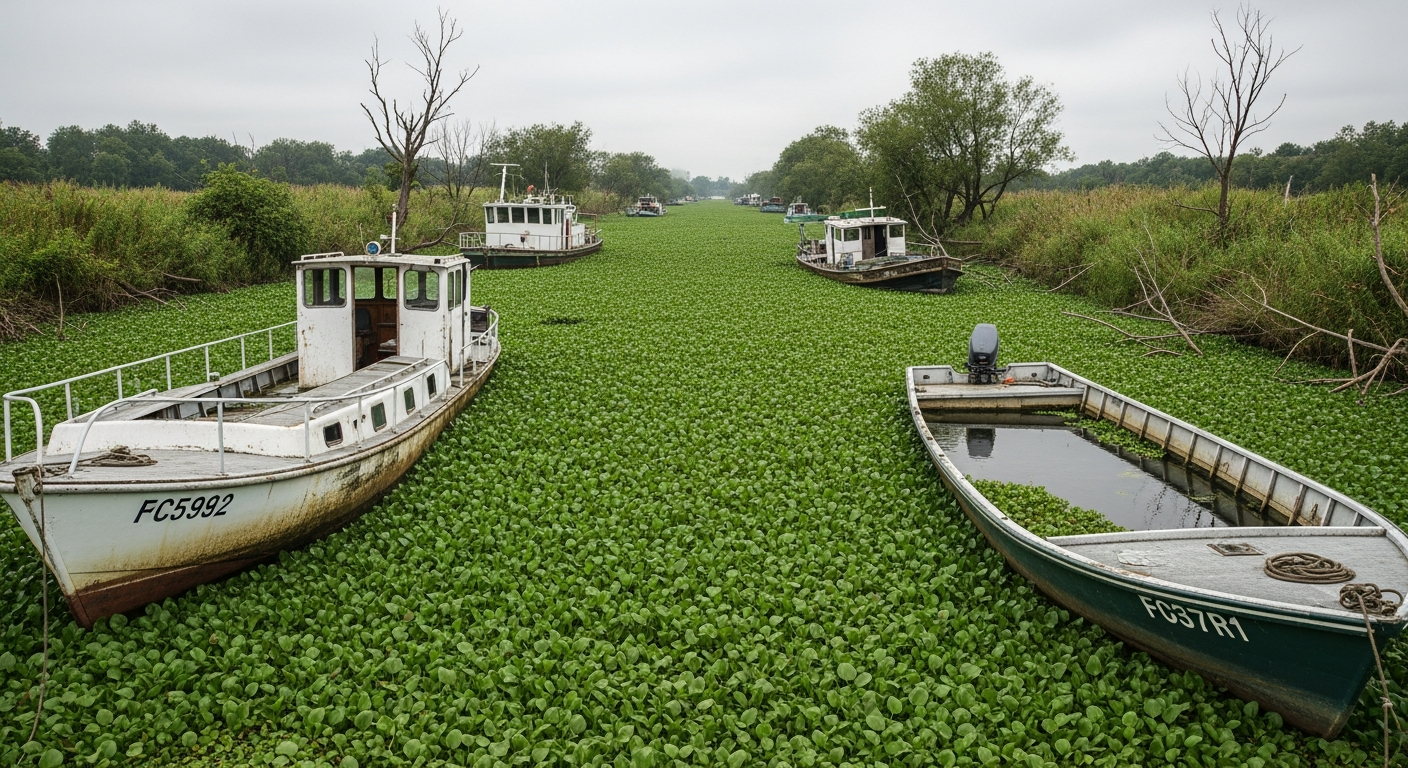
The question of DIY vs professional management for Ludwigia peploides is not simply a cost question — it's also a question of legal requirements, technical capability, and the risk of making the infestation worse through improper handling. This article provides an honest assessment of when each approach makes sense. For the broader cost context, see our Complete Pricing Guide. For volunteer program design, see Volunteer Removal Programs.
When DIY Removal Works
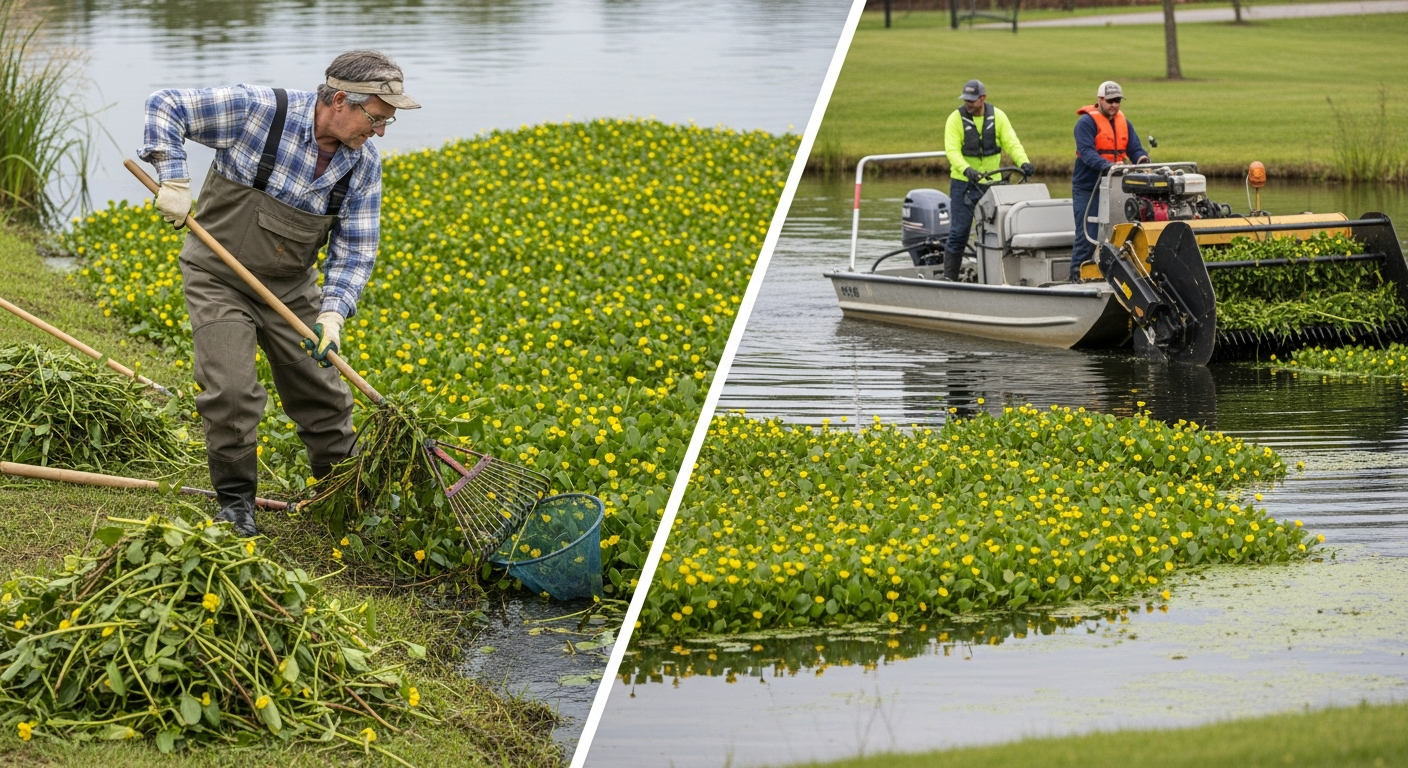
DIY (do-it-yourself) removal is most appropriate when: (1) the infestation is small — individual plants or patches under approximately 25–50 square meters; (2) the water body is a private, isolated pond with no connection to public waters or other properties; (3) the DIY manager has received training in proper removal and disposal protocols; (4) full root removal is achievable by wading or from the bank without specialized equipment; and (5) herbicide application is not required (or is done by a licensed person brought in just for that component). In these situations, DIY manual removal can cost close to $0 in labor (using the landowner's own time) and $50–$200 in equipment (waders, gloves, disposal bags). For landowners with small ponds who catch an infestation early, this represents genuine cost savings.
When to Hire Professionals
Professional management is required or strongly recommended when: (1) herbicide application is needed (requires a licensed applicator in virtually all US states); (2) the water body is public or publicly accessible; (3) the infestation is larger than approximately 100 m² (professional efficiency advantages begin to outweigh cost); (4) the site is near sensitive species habitat, drinking water intakes, or other regulated features; (5) the infestation has previously been improperly treated and spread has occurred. Even for small private ponds, the first treatment in a jurisdiction with any aquatic herbicide application requirements should involve a licensed professional to ensure legal compliance and proper technique.
Real DIY Cost Breakdown
DIY removal costs include equipment (waders: $60–$200; waterproof gloves: $20–$50; waste disposal bags or containers: $20–$80; basic cutting tools: $30–$100 total first-time cost) plus disposal (green waste dump fees: $50–$150 per load, or compost bin for small quantities). The primary DIY "cost" is time — plan for 2–8 hours of labor per 10 m² of dense mat for manual removal. For a 50 m² patch, this is 10–40 person-hours — manageable with 4–8 people in a single day. The hidden cost of DIY removal is the risk of improper technique: leaving viable fragments in the water or depositing removed material where it can re-root or wash back in. Proper training through your state's invasive species program before starting DIY removal is essential and usually free.
Professional Service Costs
Professional aquatic plant management companies offer a range of services: site assessment and management plan preparation ($500–$2,000); permit preparation and regulatory submission ($300–$2,000); treatment execution (see our pricing guides for herbicide and mechanical methods); and monitoring and reporting ($500–$3,000 per annual report). For a simple herbicide treatment of a small pond with existing permits, professional total costs typically run $1,000–$4,000 — manageable for most private landowners. The advantages of professional services include legal compliance, technical expertise, equipment, liability insurance, and documentation that regulatory agencies accept. For cost comparison with and without volunteers, see the hybrid approach below.
Hybrid Approaches: Trained Volunteers with Professional Oversight
The most cost-effective approach for many organizations — particularly conservation groups, lake associations, and land trusts managing multiple sites — is a hybrid model where trained volunteers perform labor-intensive manual removal work under the oversight and direction of professional invasive species managers. The professional provides: permit acquisition, site assessment, treatment planning, safety and protocol training for volunteers, and final monitoring and reporting. Volunteers provide: labor for manual removal (potentially hundreds of person-hours at no cash cost); community engagement and education; and local monitoring between professional surveys. Programs of this type in California's Delta have achieved manual removal of thousands of pounds of Ludwigia at per-acre costs significantly below professional-only programs. See our Volunteer Removal Programs guide for how to design a successful hybrid program.
Conclusion
DIY Ludwigia removal is appropriate and cost-effective for small, early-stage infestations in isolated private water bodies — particularly as part of an early detection and rapid response program before infestations become established. For larger infestations, public water bodies, or any situation requiring herbicide application, professional services are legally required and provide better long-term cost outcomes. The hybrid volunteer-plus-professional model offers the best balance of cost-effectiveness and technical rigor for organizations with the capacity to implement it. Always prioritize proper technique over cost minimization — improper removal that spreads plant fragments can transform a manageable infestation into a major problem.