Integrated Management of Ludwigia peploides
The complexity of L. peploides population persistence requires a structured program combining multiple control methods, sustained commitment, systematic monitoring, and adaptive management over multiple years.
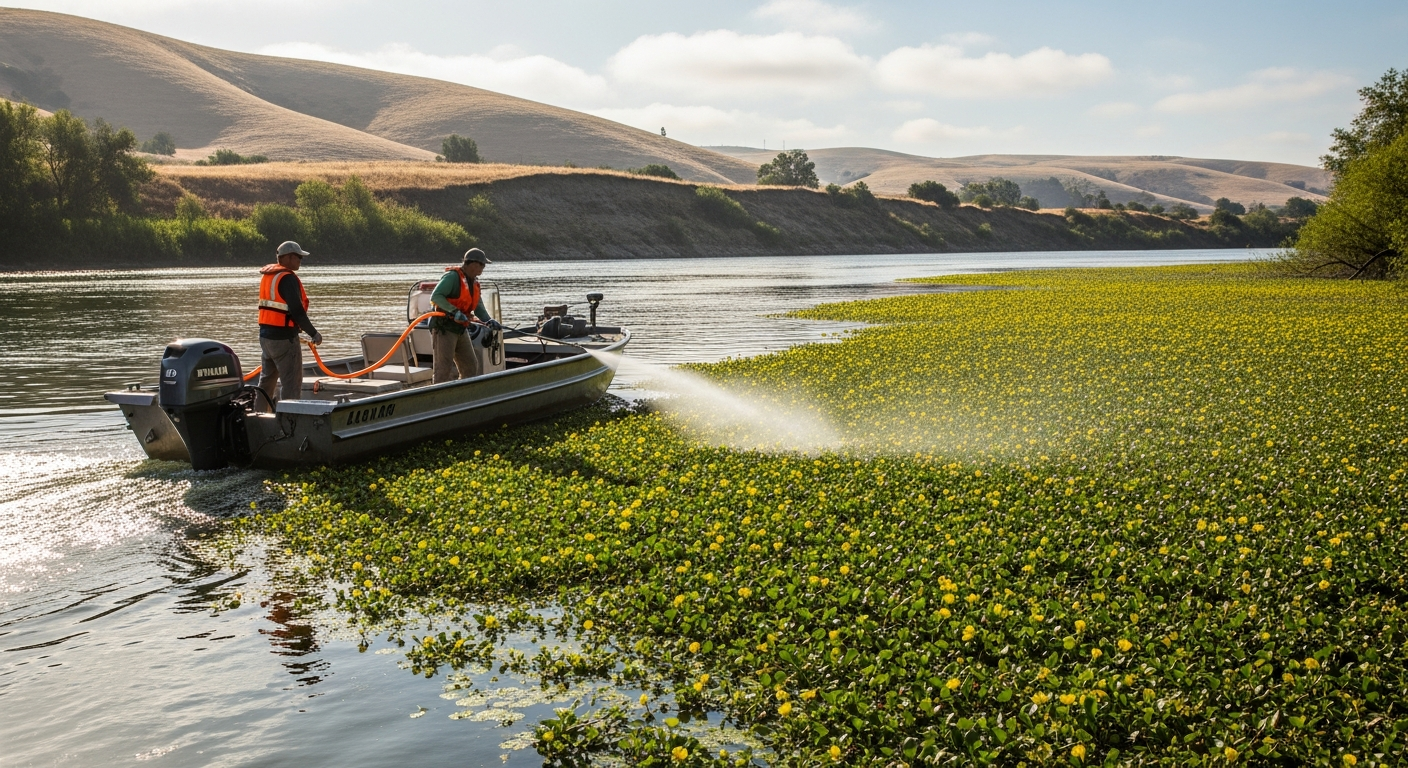
The concept of integrated pest management — combining multiple control tactics in a coordinated program designed to achieve sustainable population suppression — has been a cornerstone of agricultural pest management since the 1960s. For Ludwigia peploides, integrated management is not merely preferable but essential: the biological characteristics of the species — persistent seed banks, rhizome regeneration, fragment dispersal, and rapid regrowth — mean that no single control method, however effective in isolation, achieves durable population reduction without complementary tactics addressing the remaining persistence mechanisms.
Integrated Management Framework
An effective integrated management framework for L. peploides is built on four foundational pillars: prevention, detection, control, and monitoring. Prevention addresses the introduction pathways (trade, horticulture, water recreation) that bring new propagules into the managed area. Early detection through systematic surveillance identifies new invasions at the most tractable stage. Control deploys the appropriate combination of physical, chemical, and where available, biological methods calibrated to the specific site context. Monitoring tracks management outcomes and provides feedback for adaptive refinement of subsequent interventions.
The integration of these pillars into a coherent, time-structured program is the defining feature of integrated management. A program that deploys multiple control methods simultaneously but without sequencing logic is not truly integrated — it is simply combined treatment. True integration means that each component is chosen and timed to complement and amplify the effects of other components.
Treatment Sequencing Strategies
The sequential deployment of control methods to exploit biological vulnerabilities at different times in the growing season is the core of effective integrated management. A well-designed annual treatment cycle might proceed as follows: In early spring (March–April), monitor overwintering sites for regrowth initiation and conduct rapid manual removal of early-emerging shoots before they re-establish root connections to the rhizome. In late spring to early summer (May–June), deploy mechanical harvesting to reduce above-ground biomass before peak growth rates generate unmanageable volumes. Through summer (July–August), conduct targeted manual follow-up in sections missed by mechanical operations, and monitor for re-emergence. In late summer (August–September), apply systemic herbicide to weakened but actively translocating plants, maximizing rhizome uptake during the period of downward photoassimilate flow. In autumn, collect and safely dispose of any senescing treated material before seed dispersal, and map population status for the following year's planning.
Monitoring as a Management Component
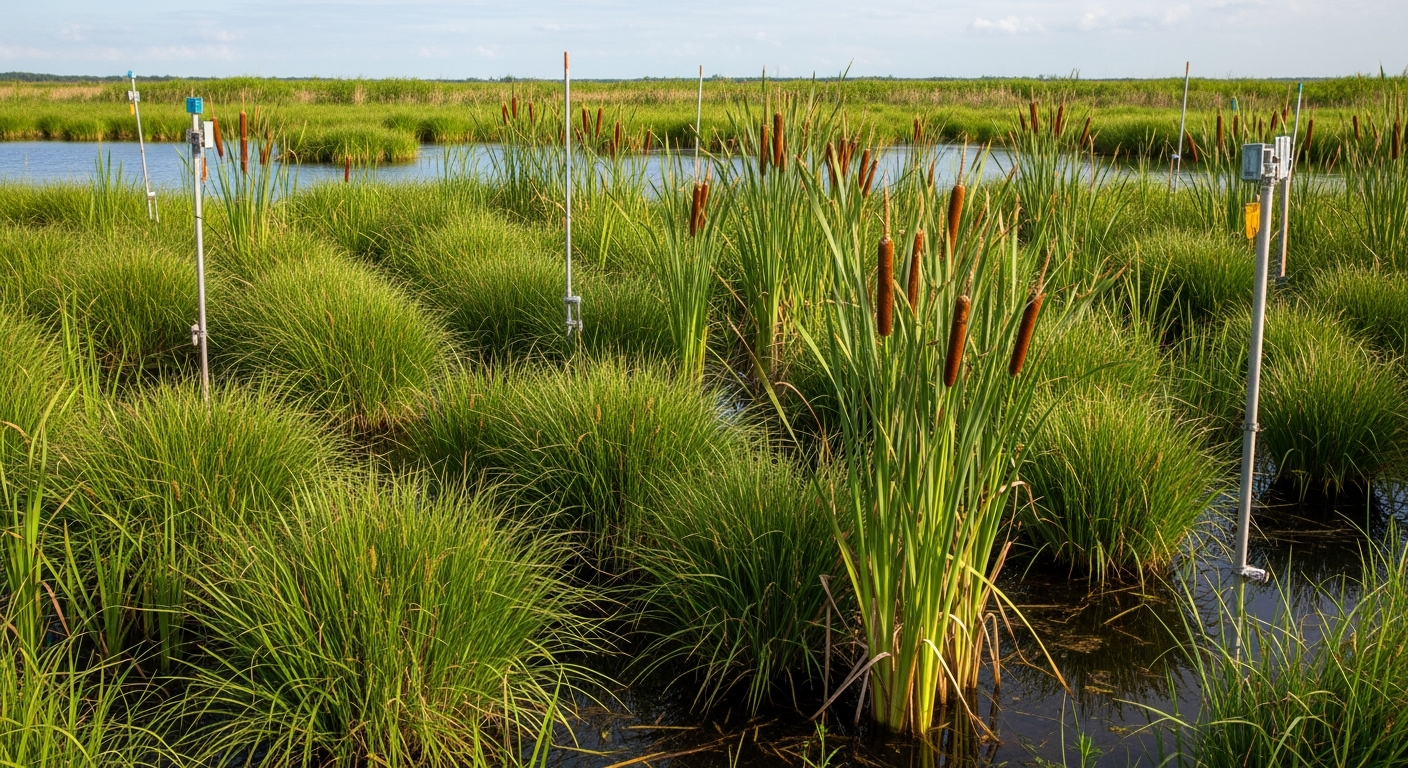
Monitoring is not an optional add-on to integrated management — it is a core component without which the adaptive refinement that makes programs increasingly effective over time is impossible. Minimum monitoring requirements include: pre-treatment baseline assessment of target plant cover and native species diversity; post-treatment assessment (typically 4–8 weeks after each intervention) to evaluate immediate efficacy; end-of-season assessment to quantify annual population change; and spring monitoring to quantify regrowth from rhizomes and seeds. These data should be recorded in a consistent format that enables statistical analysis of population trends over the multi-year program duration.
Case Study: Marais Poitevin, France
The Marais Poitevin, a large wetland complex in western France designated as a Natura 2000 site, has been one of the most intensively managed European sites for L. peploides over the past decade. The management program has deployed all three primary control methods — manual removal, mechanical harvesting, and targeted herbicide application — in a coordinated annual program spanning multiple management zones. Early program evaluations reported 60–80% biomass reduction within treated zones, but resurgence from seed banks and upstream reinfestation remained persistent challenges. The program's adaptive management structure has progressively refined treatment timing and zone prioritization based on monitoring data, and serves as a reference model for other large protected area management programs across Europe.
Conclusion
Integrated management of Ludwigia peploides represents the current best practice for achieving sustainable population suppression across the range of invaded environments. Its implementation demands sustained institutional commitment, adequate resourcing over multi-year timescales, rigorous monitoring, and willingness to adapt approaches based on ecological feedback. No integrated program can succeed without addressing all four pillars — prevention, detection, control, and monitoring — simultaneously. Managers implementing integrated programs for the first time should seek to learn from documented experience at sites such as the Marais Poitevin and should engage with the broader community of L. peploides management practitioners through national and international coordination networks.