Prevention and Biosecurity for Ludwigia peploides
Boat inspection programs, aquarium trade restrictions, bait regulations, and public education campaigns that prevent new Ludwigia peploides introductions and local spread.
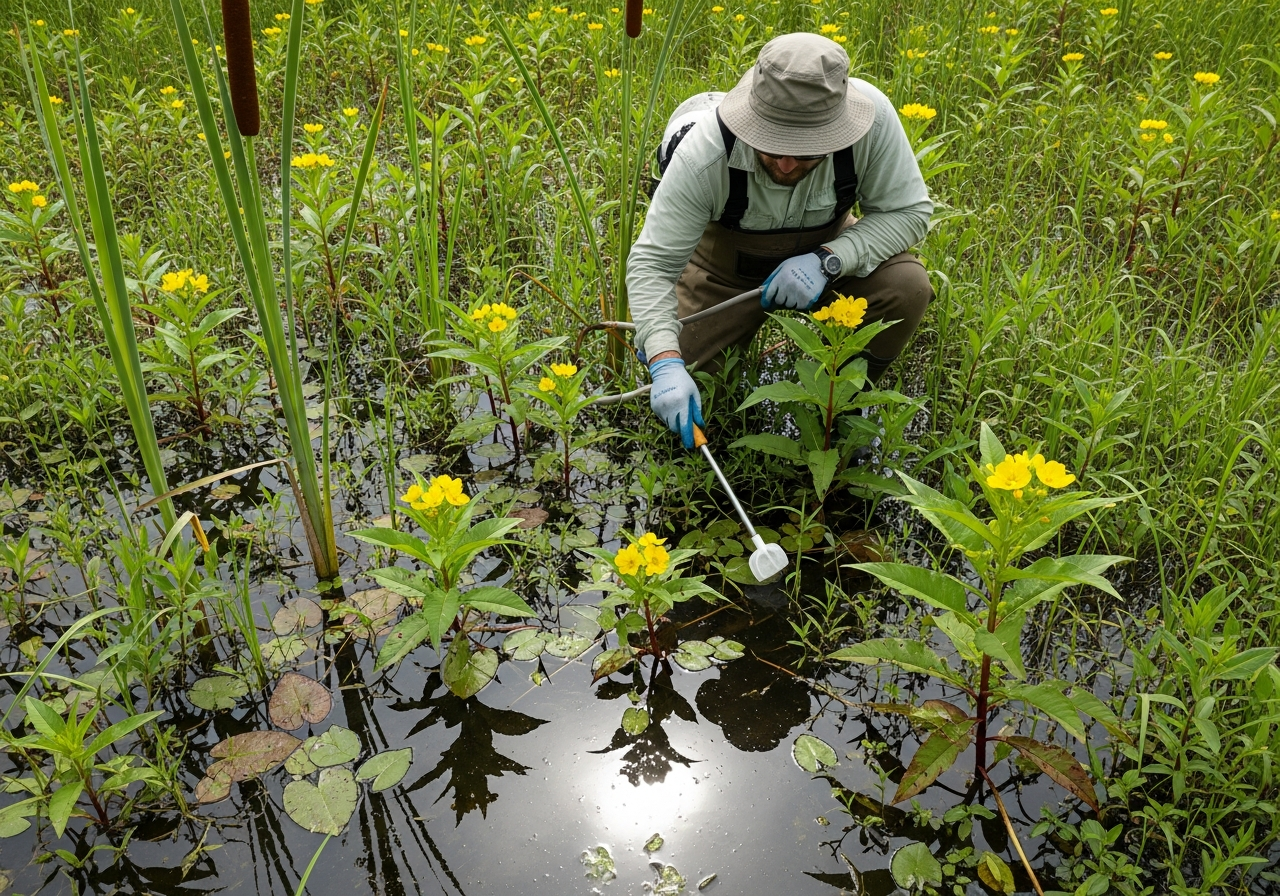
Prevention is the highest-leverage intervention in Ludwigia peploides management — stopping introductions before they occur avoids all future management costs and ecological damage. A comprehensive prevention program operates at multiple levels: regulatory restrictions on the trade and movement of invasive species, boat and equipment inspection programs, public education, and systematic monitoring of high-risk introduction sites. This article covers all of these components. For information on introduction pathways, see How Ludwigia peploides Spreads.
Boat Inspection Programs
Recreational boats are the primary vector for overland spread of established Ludwigia peploides populations to uninvaded water bodies. Boat inspection programs — staffed inspection stations at boat ramps where trained inspectors check boats for plant material and wildlife before the boat enters or leaves a water body — are the most effective direct intervention against this pathway. Inspectors look for plant material in propellers, anchor wells, bilge areas, trailer bunks, and fishing gear, and require removal and proper disposal of any material found. They also educate boaters about aquatic invasive species and the "Check, Clean, Drain" protocol. Mandatory inspection programs at high-risk sites (boat ramps in close proximity to known infestations, or at entry points to high-value uninvaded water bodies) are implemented in California's Delta management program and at other high-priority sites.
The "Check, Clean, Drain" (CCD) protocol is the public-facing component of boat biosecurity — a simple three-step checklist that all boaters should follow every time they move between water bodies. CCD signage at boat ramps, online campaigns, and social media outreach have significantly increased boater awareness and compliance in regions with active campaigns. See the Invasive Spread Patterns article for the data on boat-mediated spread and the effectiveness of inspection programs.
Aquatic Trade Restrictions
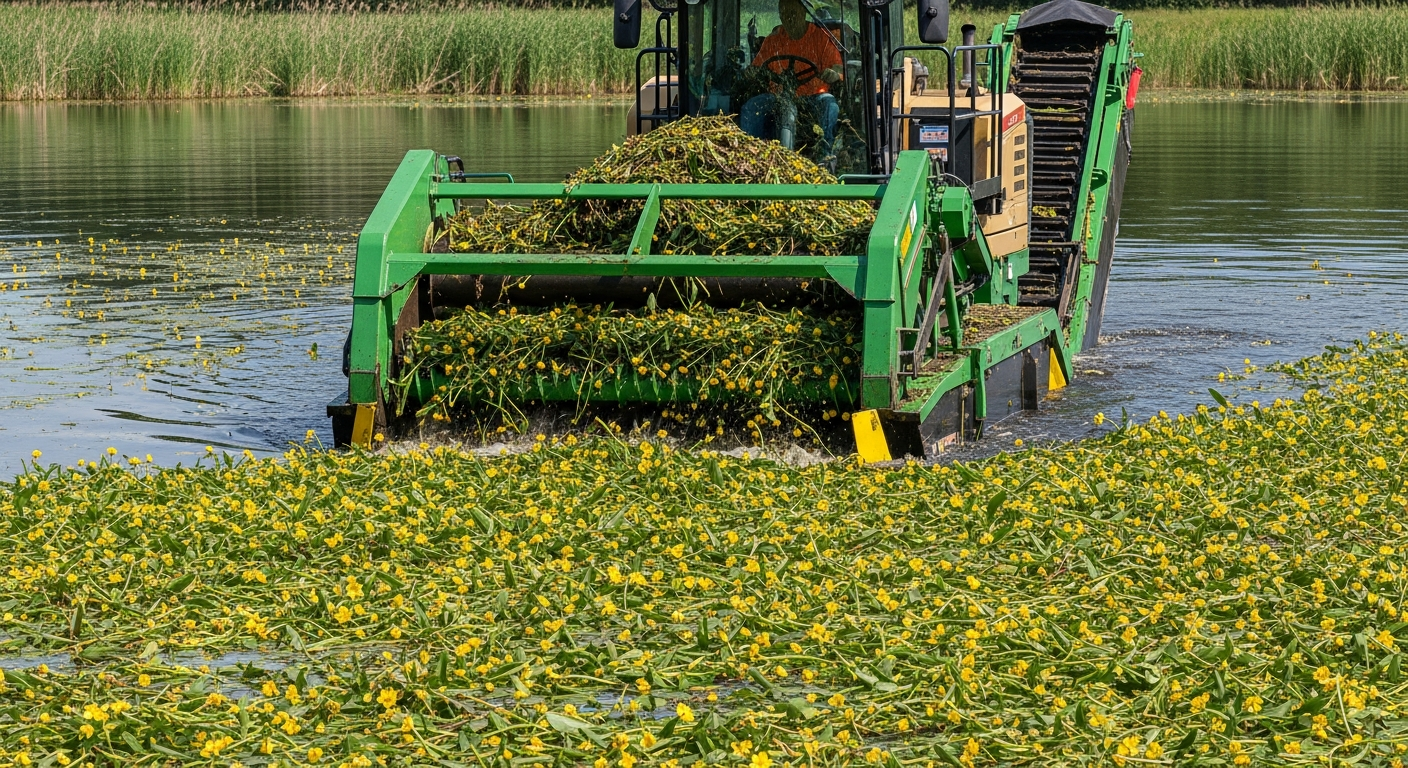
Regulatory restriction of the aquarium and water garden trade in Ludwigia peploides is the most effective long-term prevention measure against initial introductions. The EU's comprehensive prohibition under Regulation 1143/2014 — banning the sale, trade, possession, and transport of Ludwigia peploides, L. hexapetala, and L. grandiflora — has significantly reduced their availability in European markets. In the US, state-level noxious weed listings in California, Oregon, Washington, and other states prohibit sale and transport within those states. However, federal-level listing — which would harmonize restrictions across all states — is not yet in place. Online marketplaces (eBay, Etsy, online aquatic plant retailers) continue to offer Ludwigia species for sale in states without specific restrictions, making enforcement challenging. Supporting state and federal listing petitions is the most impactful policy action that conservation organizations and the public can take to reduce trade pathway introductions.
Bait Bucket and Angling Regulations
Anglers can inadvertently transport aquatic invasive plants — including Ludwigia peploides fragments — in bait buckets filled with water from infested water bodies. Most US states have bait bucket regulations prohibiting the transport of water from one water body to another in open containers. Compliance with these regulations is an important component of the angler's role in preventing aquatic invasive spread. Regulations also typically prohibit the use of invasive plants (collected from one water body) as bait or fish attractors in another water body. The fishing community has been an important partner in aquatic invasive species prevention campaigns — fishing organizations, guides, and tackle shops are effective channels for reaching anglers with prevention messaging.
Public Education Campaigns
Public education is the scalable, cost-effective component of prevention — changing the behavior of millions of water users through targeted messaging campaigns. The most effective messages for Ludwigia peploides prevention are: (1) "Never release aquatic plants into the wild" — targeting water gardeners and aquarium owners who dispose of unwanted plants; (2) "Check, Clean, Drain — every time" — targeting boaters and water recreation users; (3) "Know what you're buying" — targeting consumers of aquatic plants to verify they are purchasing legally and biosafely. Campaign channels that have shown effectiveness include: fishing license insert materials reaching all licensed anglers; boat launch signage at high-risk sites; social media campaigns targeting water recreation communities; partnerships with aquatic plant retailers to include educational materials with purchases; and school education programs in watersheds with known invasions.
Monitoring High-Risk Introduction Sites
Prevention monitoring targets sites most likely to receive new Ludwigia introductions before they can establish: boat ramps and marina access points; water garden nurseries and aquatic plant retail outlets (where plants could be disposed of into adjacent waterways); culverts and drainage outflows where water from infested areas enters uninvaded water bodies; and wetland and riparian areas adjacent to roads used by boaters. Monitoring at these sites uses a combination of visual surveys (for plant establishment) and eDNA water sampling (for molecular detection before any above-ground growth is visible). For eDNA monitoring protocols, see our Early Stage Identification guide. A network of regularly monitored high-risk sites provides the earliest possible detection of new introductions.
Conclusion
Prevention is the cheapest and most ecologically effective Ludwigia peploides management strategy — by far. A comprehensive prevention program combining trade restrictions, boat inspection programs, targeted public education, and monitoring of high-risk sites can prevent new invasions at a tiny fraction of the cost of managing established infestations. The tools and protocols for effective prevention are well-established; the challenge is consistent implementation across all the water bodies and pathways that require attention. Investing in prevention now is the most cost-effective strategy for protecting uninvaded water bodies from Ludwigia peploides in the decades ahead.