What Is Ludwigia peploides?
A complete scientific introduction to one of the world's most aggressive aquatic invasive plants — its taxonomy, biology, native origins, and why it poses such a severe threat to freshwater ecosystems globally.
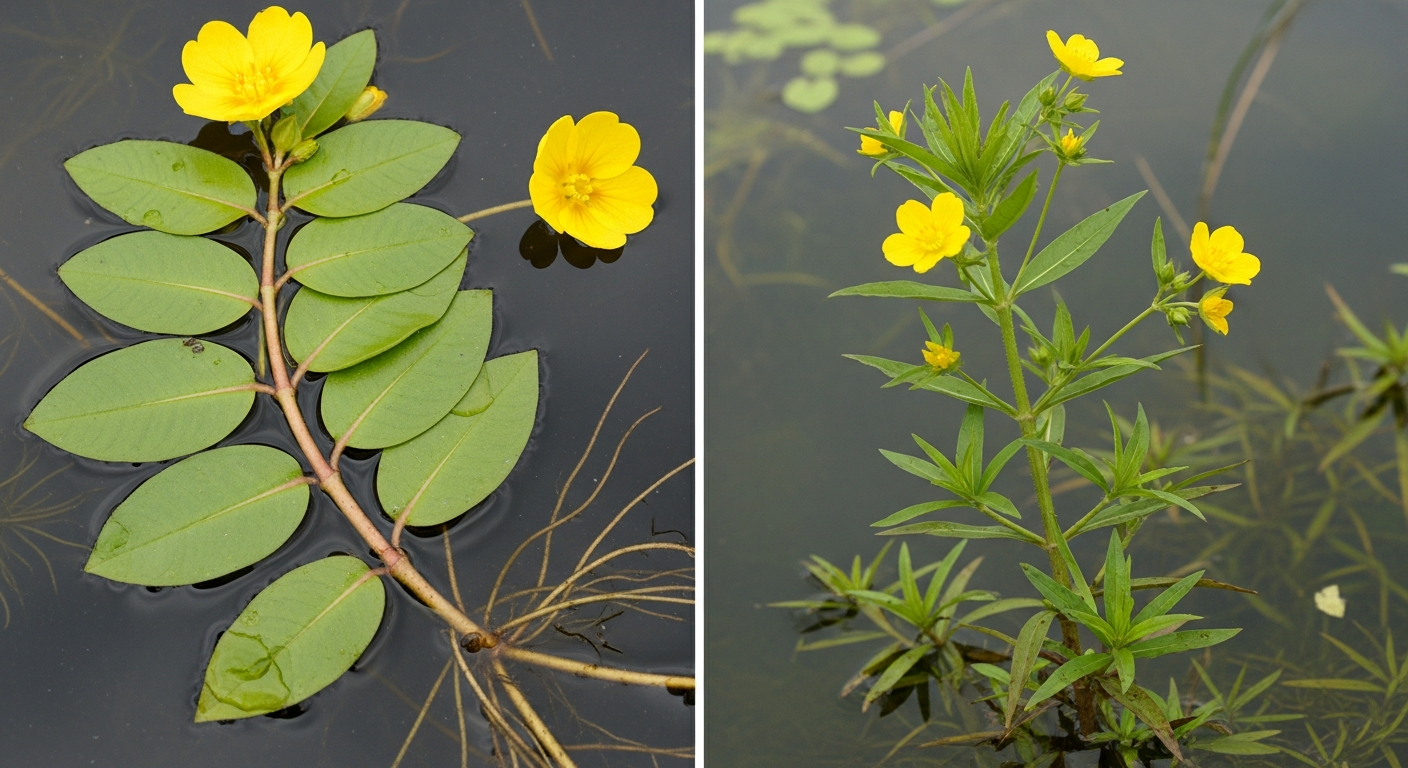
Ludwigia peploides, commonly known as Creeping Water Primrose, is a perennial aquatic macrophyte that has become one of the most ecologically damaging invasive plants on earth. Native to the warm freshwater systems of South and Central America, it has been deliberately or accidentally introduced to regions across five continents, where it forms dense, impenetrable mats that transform aquatic ecosystems. Understanding what this plant is — its classification, origins, and ecological identity — is the essential foundation for all identification, monitoring, and management work.
Taxonomy and Classification
Ludwigia peploides belongs to the family Onagraceae — the evening primrose family — which comprises approximately 650 species of flowering plants globally. Within this family, the genus Ludwigia (named after the 18th-century German botanist Christian Gottlieb Ludwig) contains around 82 species, predominantly distributed in tropical and subtropical Americas. L. peploides is placed in the section Isnardia, a group characterized by aquatic habit, pentamerous flowers, and inferior ovaries.
The species epithet "peploides" refers to a resemblance to Peplis, a genus of small water plants, reflecting the similarity in growth habit. The complete taxonomic classification is: Kingdom Plantae → Clade Angiosperms → Order Myrtales → Family Onagraceae → Genus Ludwigia → Species L. peploides (Kunth) P.H.Raven.
Native Range and Origin
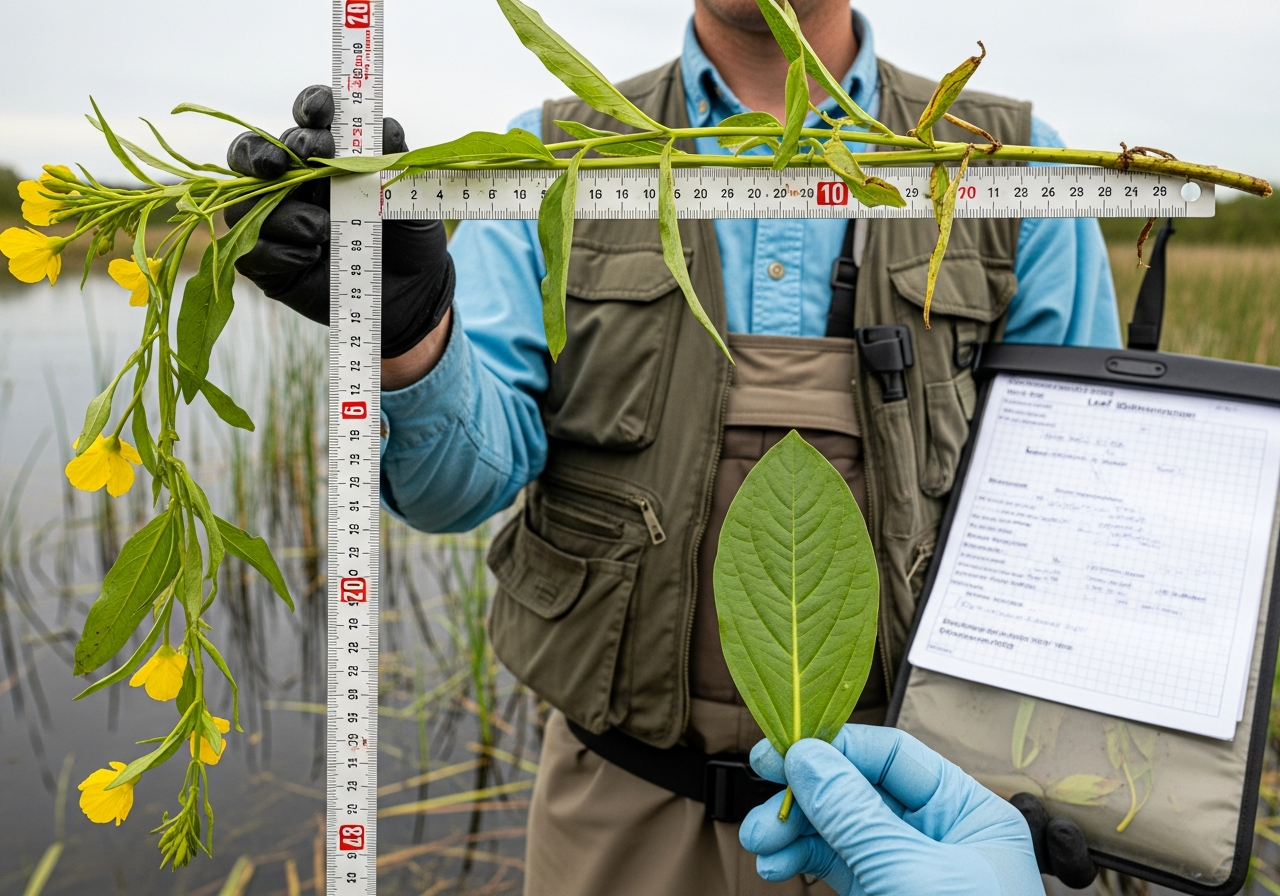
In its native range, L. peploides occupies freshwater habitats from the southern United States through Mexico, Central America, and the Caribbean to the temperate zones of South America — including Argentina, Uruguay, Brazil, Paraguay, Chile, and Bolivia. Within this range, the species functions as a native member of aquatic plant communities and is subject to a suite of specialist herbivores, pathogens, and competitors that regulate its population growth. The ecological balance maintained in native systems contrasts sharply with the unchecked growth observed in invaded regions where these natural regulatory mechanisms are absent.
Five subspecies of L. peploides are recognized, each with a partially distinct native range and morphological characteristics. Subspecies montevidensis and peploides are most widely established as invasives, with subsp. hexapetala sometimes recognized as a distinct species (Ludwigia hexapetala) based on its hexamerous flower structure.
Common Names Around the World
The plant is known by numerous common names reflecting its widespread distribution and the cultural contexts in which it has been encountered. In English-speaking countries, the most widely used names are Creeping Water Primrose and Water Primrose — both referencing the primrose-like appearance of its yellow flowers. French speakers call it Jussie rampante (creeping Jussie) or Jussie à grandes fleurs, reflecting its former placement in the genus Jussieua. In Spanish it is known as Flor de clavo (clove flower) or Ludwigia. German literature refers to it as Kriechende Heusenkraut (creeping water purslane).
Understanding common name variation is important because water primrose is also applied to native North American Ludwigia species (particularly L. palustris and L. alternifolia), creating potential confusion in reporting and public communication. Regulatory documents typically use the scientific binomial to avoid such ambiguity. For related identification guidance, see our article on Ludwigia peploides vs Native Aquatic Plants.
Invasive Status and Regulatory Listing
Ludwigia peploides is listed on the IUCN's "100 of the World's Worst Invasive Alien Species" list — one of only a handful of aquatic plants to achieve this designation. In the European Union, it is listed under Regulation 1143/2014 on Invasive Alien Species, prohibiting its import, possession, sale, breeding, and intentional release. In California, it is listed as a Class A noxious weed (mandatory eradication) by the California Department of Food and Agriculture, and as a primary management target by multiple state and federal agencies operating in the Sacramento-San Joaquin Delta.
In Australia, L. peploides and related species are listed as a Weed of National Significance. Similar restrictions apply across New Zealand, South Africa, and numerous Asian countries where it has been documented establishing populations. The regulatory consensus across jurisdictions reflects scientific agreement that it poses an unacceptable ecological risk wherever it becomes established. For a full discussion of legal frameworks, see our article on Regulatory Frameworks for Ludwigia peploides.
Why Ludwigia peploides Matters
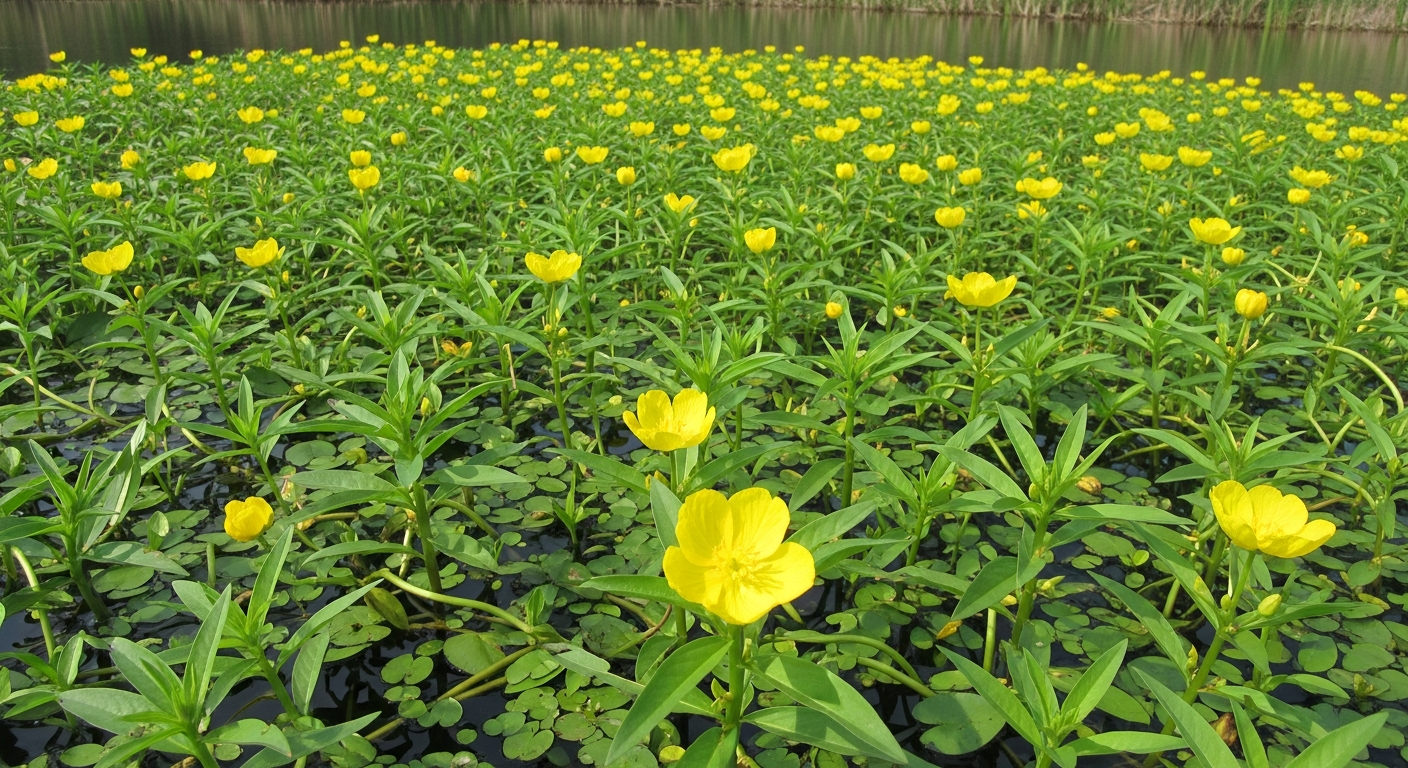
The ecological significance of L. peploides derives from the combination of its growth capacity, habitat modification potential, and the difficulty of achieving lasting control once it has established. In favorable conditions — warm temperatures, high nutrient availability, low hydrological disturbance — a single plant can produce a mat covering several square meters in a single growing season. Dense mats intercept up to 99% of light reaching the water surface beneath, creating hypoxic conditions that eliminate fish, invertebrates, and amphibians dependent on oxygenated water. The biomass of a mature mat also physically prevents waterbirds from using open water for feeding and nesting.
Beyond direct biological impacts, established infestations impose severe economic costs. Recreation — fishing, boating, swimming — is rendered impossible by dense mats. Water infrastructure (irrigation intakes, flood control structures) clogs with plant material. Property values adjacent to severely invaded water bodies decline. Management costs for large infestations run to hundreds of thousands of dollars per year, often without achieving eradication. Learn more about these costs in our Complete Pricing Guide to Water Primrose Removal.
Conclusion
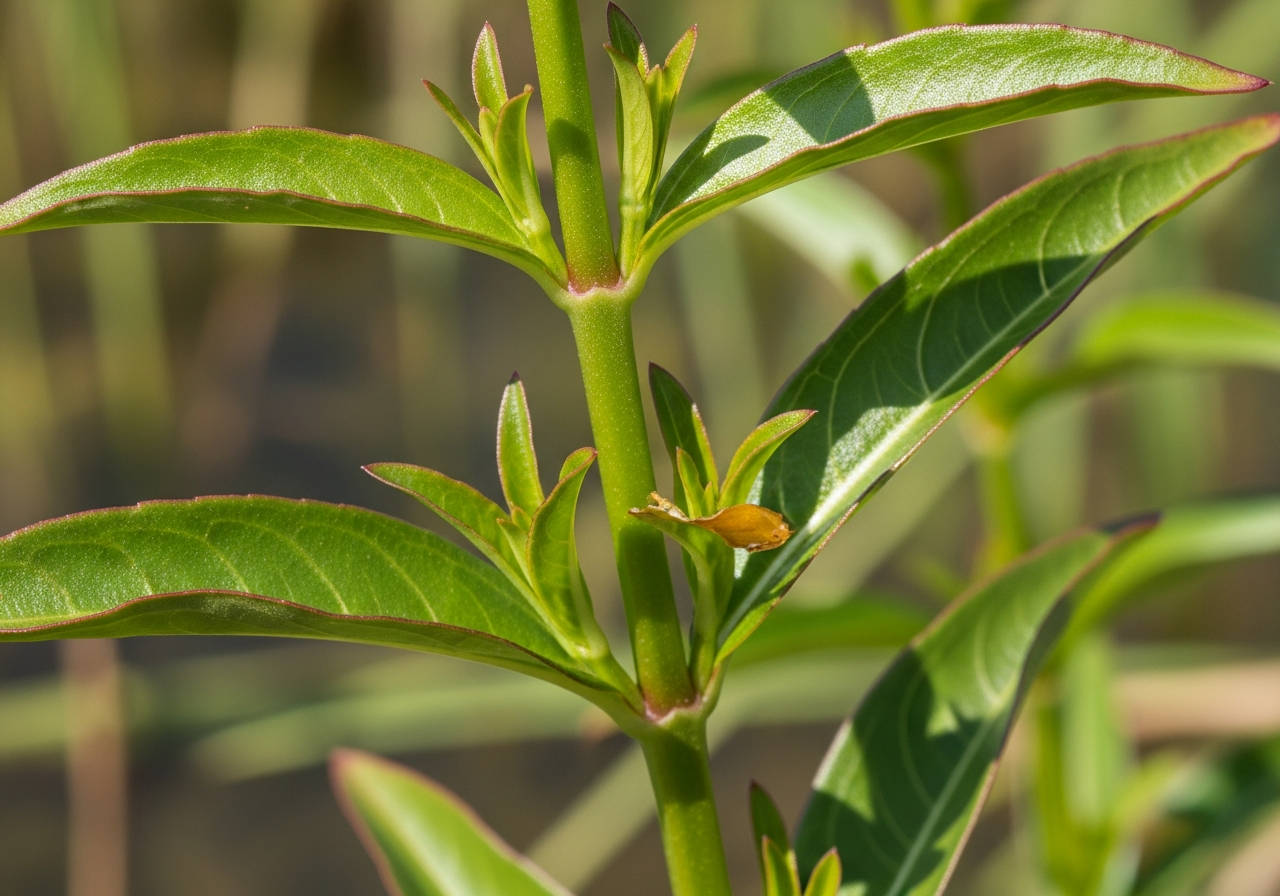
Ludwigia peploides is a highly capable aquatic plant with an evolutionary history shaped by the dynamic, variable freshwater environments of tropical and subtropical America. Removed from the biological constraints of its native range and introduced to new regions via the aquarium trade, water gardening, and inadvertent movement of plant material, it has become one of the most consequential freshwater invasive species on earth. The first step in addressing any invasive species problem is understanding what you are dealing with — accurate identification is the gateway to effective management. Continue reading our field identification guide or explore the global distribution of this species.