Welcome to Ludwigia Peploides Resource Center. Explore expert insights, management strategies, and educational materials on this invasive aquatic plant.
Did you know that understanding the characteristics of invasive aquatic plants can significantly enhance ecosystem management? Let's explore crucial insights about Ludwigia species.
What You Will Learn
Ludwigia peploides and Ludwigia hexapetala have unique morphological traits that aid in their identification, such as leaf shape and stem structure.
Both species play vital ecological roles but can become invasive, impacting biodiversity and local ecosystems.
Effective management strategies include mechanical removal, herbicide application, and restoration of native vegetation.
Understanding their reproductive mechanisms is essential for addressing their invasive tendencies and implementing targeted management.
Comparing Ludwigia Species: Key Distinctions
The following visual compares the defining morphological differences and ecological impacts of Ludwigia peploides and Ludwigia hexapetala.
Ecological Role & Invasive Nature
Ludwigia peploides
Forms dense mats in shallow waters, overshadowing native vegetation. Affects habitat conditions.
Ludwigia hexapetala
Floating leaves, wider range of aquatic environments. Both species pose challenges to biodiversity.
Key Morphological Differences
Ludwigia peploides
Obovate leaves (broader at top)
Terete (cylindrical) stems
Striking yellow blooms in clusters
Ludwigia hexapetala
Elliptic leaves
Villous (hairy) stems
Fewer, more widely spaced flowers
Reproductive Strategies & Distribution
Ludwigia peploides
Reproduces sexually & vegetatively
Common in wetlands throughout the Eastern US
Ludwigia hexapetala
Reproduces sexually & vegetatively
Increasingly reported in North America & Europe
Understanding Ludwigia Species: Comparing Ludwigia peploides and Ludwigia hexapetala
As an ecologist passionate about aquatic plants, I've often found myself immersed in the fascinating world of Ludwigia species. Two prominent members of this genus are Ludwigia peploides, commonly known as creeping water primrose, and Ludwigia hexapetala, often referred to as floating primrose-willow. Both species occupy critical roles in their ecosystems, yet they exhibit distinct characteristics that set them apart.
Understanding these differences is essential for effective management and restoration efforts. After all, these plants can significantly influence their habitats—sometimes for the better and sometimes not! Let’s dive into their unique features.
Defining the Key Species: Ludwigia peploides and Ludwigia hexapetala
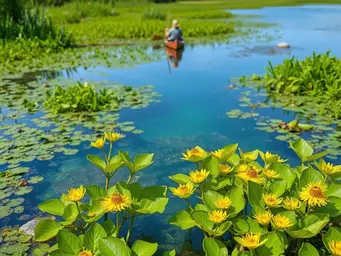
Before we explore the distinctions, let’s start with a brief overview of each species. Ludwigia peploides thrives in shallow waters, forming dense mats that can overshadow native vegetation. This species is often found in ponds, lakes, and slow-moving streams, where it can dramatically alter habitat conditions. In contrast, Ludwigia hexapetala is typically identified by its floating leaves and ability to grow in a wider range of aquatic environments. Both species are vital to their ecosystems, but they also pose serious challenges to biodiversity! For more detailed information on their characteristics, you can refer to resources like the Plant Directory of Ludwigia species.
Common Names: Ludwigia peploides - creeping water primrose; Ludwigia hexapetala - floating primrose-willow
Ecological Importance: Both species provide habitat for aquatic life while also contributing to nutrient cycling.
Invasive Nature: Each has the potential to become invasive, impacting local flora and fauna.
While both species share similarities, their ecological roles and management strategies differ significantly. By understanding these nuances, we can promote healthier aquatic ecosystems.
Identifying Key Morphological Differences
Now that we have a foundational understanding of these species, let's explore their distinct physical traits. Identifying morphological differences is crucial for effective management and control. This knowledge allows ecologists and land managers to identify the specific species present in a given habitat.
Leaf Structure and Shape
One of the most noticeable differences lies in their leaf morphology. Ludwigia peploides typically has obovate leaves, which are broader at the top and taper towards the base. In contrast, Ludwigia hexapetala features more elliptic leaves, making it easy to distinguish between the two in the field. Understanding these leaf shapes can help you accurately identify these species during fieldwork!
Stem Characteristics
The stem structure is another critical differentiator. Ludwigia peploides usually has terete (cylindrical) stems, while Ludwigia hexapetala showcases a villous (hairy) appearance. These variations not only help in identification but also provide insights into the ecological adaptations of each species. For instance, the villous characteristics of L. hexapetala may assist in capturing moisture, aiding survival in fluctuating environments.
Flower and Capsule Features
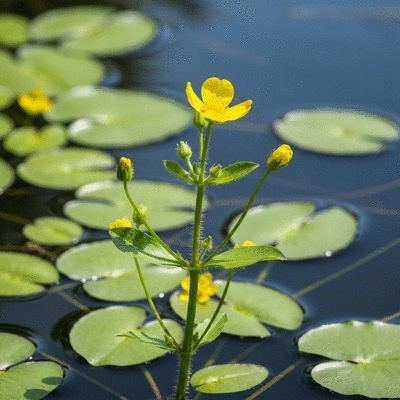
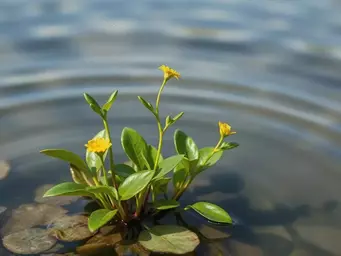
When it comes to flowers, Ludwigia peploides presents striking yellow blooms, typically arranged in clusters. On the other hand, Ludwigia hexapetala features fewer, more widely spaced flowers. The differences extend to their capsules as well, with each species displaying unique sepals and petal arrangements that can aid in identification. Observing these details can greatly enhance your identification skills!
Invasive Ecology: Understanding Their Impact
Both Ludwigia peploides and Ludwigia hexapetala are known for their invasive tendencies, significantly affecting local ecosystems. They thrive in various habitats, including ponds and slow streams, where they can outcompete native species. Understanding their ecological impact is essential for effective management. For an in-depth look at the ecological risks posed by floating primrose-willow, you can consult this Ecological Risk Screening Summary from the U.S. Fish & Wildlife Service.
Distribution Trends and Current Status
Currently, both species are spreading across various regions, with notable trends observed in areas like Italy and the Pacific Northwest. Here's a quick look at their distribution:
Ludwigia peploides: Commonly found in wetlands throughout the eastern United States. More information on its distribution can be found on the USGS Nonindigenous Aquatic Species Database.
Ludwigia hexapetala: Increasingly reported in North America and Europe, often in disturbed habitats.
These spreading patterns highlight the need for proactive management efforts to prevent further ecological disruption.
Ecological Risks and Management Strategies
The ecological impacts of these species can be severe, leading to reduced biodiversity and altered habitat structures. Effective management strategies may include:
Mechanical removal of invasive mats
Herbicide application where appropriate
Restoration of native vegetation to promote ecological balance
By employing these strategies, we can work together to mitigate the adverse effects of these invasive species.
Exploring Reproductive Strategies of Invasive Species
The reproductive strategies of both species contribute significantly to their invasive success. For instance, Ludwigia peploides can reproduce both sexually and vegetatively, allowing it to thrive in various conditions. On the other hand, Ludwigia hexapetala also utilizes these strategies, often leading to rapid population growth in suitable habitats. Understanding these reproductive mechanisms is essential for targeting effective management interventions!
Look-Alike Species: Differentiation Techniques
In addition to identifying Ludwigia peploides and Ludwigia hexapetala, it's crucial to be aware of look-alike species such as Ludwigia palustris. This can help avoid confusion in the field. Identifying these similar species ensures that we focus our management efforts on the right targets.
Visual Identification Aids
Using visual aids can make identification much simpler. I recommend practical guides, such as:
Field identification manuals with clear images
Online galleries showcasing each species
Videos demonstrating key identification features
These resources can be invaluable in the field, helping you accurately distinguish between species!
In-Depth Identification Tips and Techniques
Accurate identification of Ludwigia peploides and Ludwigia hexapetala is key to effective management. Here are some actionable tips:
Using a Flowchart for Quick Identification
Creating an interactive flowchart can significantly streamline the identification process. This tool can guide you through a series of questions based on observable characteristics—making identification faster and more efficient!
Key Identification Questions to Consider
When conducting field identification, consider asking yourself:
What is the shape and size of the leaves?
Are the stems terete or villous?
How are the flowers arranged?
These questions can help clarify which species you’re observing, enhancing identification accuracy.
Understanding Plant Taxonomy and Classification
Finally, a grasp of the botanical classification and taxonomy of Ludwigia species is essential for effective identification. This foundational knowledge enables ecologists and land managers to communicate effectively about these species, ensuring a coordinated approach to management.
Pro Tip
When managing Ludwigia peploides and Ludwigia hexapetala, consider leveraging community engagement. Organizing local volunteer days for invasive plant removal can not only enhance the management efforts but also foster awareness and education about the importance of maintaining biodiversity in aquatic ecosystems. Involving the community can lead to more sustainable outcomes and stronger support for conservation initiatives!
Frequently Asked Questions About Ludwigia Species
What are the key differences between Ludwigia peploides and Ludwigia hexapetala?
Ludwigia peploides (creeping water primrose) typically has obovate leaves (broader at the top) and terete (cylindrical) stems, with yellow blooms in clusters. Ludwigia hexapetala (floating primrose-willow) features elliptic leaves, villous (hairy) stems, and fewer, more widely spaced flowers.
Why are Ludwigia species considered invasive?
Both species are considered invasive due to their ability to reproduce rapidly both sexually and vegetatively, forming dense mats that can outcompete native vegetation, alter habitat conditions, and reduce biodiversity in aquatic ecosystems.
What are the primary methods for managing invasive Ludwigia species?
Effective management strategies include mechanical removal of plant mats, targeted herbicide application where appropriate, and the restoration of native vegetation to help re-establish ecological balance.
Where are Ludwigia peploides and Ludwigia hexapetala commonly found?
Ludwigia peploides is commonly found in wetlands throughout the Eastern United States. Ludwigia hexapetala is increasingly reported across North America and Europe, often in disturbed aquatic environments.
How can I accurately identify Ludwigia species in the field?
Accurate identification can be achieved by observing leaf shape (obovate for L. peploides, elliptic for L. hexapetala), stem characteristics (terete for L. peploides, villous for L. hexapetala), and flower arrangement and spacing. Using field guides and visual aids is also highly recommended.
Summarizing Key Insights on Ludwigia Species
In our exploration of Ludwigia peploides and Ludwigia hexapetala, we’ve uncovered essential differences that highlight their ecological significance. Both species, while visually similar, possess distinct traits that set them apart. For example, Ludwigia peploides, commonly known as creeping water primrose, is characterized by its robust growth in aquatic environments and its capacity to form dense mats. In contrast, Ludwigia hexapetala, or floating primrose-willow, exhibits a different growth pattern and morphological traits that also impact the ecosystems they inhabit.
Understanding these differences is not just about botanical curiosity; it's crucial for effective management and conservation efforts. These species can outcompete native flora, disrupt local ecosystems, and pose challenges for land managers. Recognizing their ecological roles helps us develop strategies to mitigate their impacts.
Final Reflections on Ecological Awareness and Management
As we reflect on the importance of understanding Ludwigia peploides and Ludwigia hexapetala, I encourage all readers to consider their role in promoting biodiversity. Awareness of invasive species, their identification, and their impact on local ecosystems is vital. Through informed management practices, we can foster healthier aquatic environments that support a rich diversity of life!
Stay informed about local plant species and their behavior.
Participate in workshops or community events focused on ecological management.
Support local initiatives aimed at controlling invasive species.
Your involvement can make a significant difference in maintaining the ecological balance! By understanding these species' roles, we can work collectively to protect our natural habitats.
Engaging with the Topic: How to Get Involved
There are numerous ways to engage with the topic of invasive species and contribute to conservation efforts in your community. Here are some actionable suggestions:
Volunteer with local conservation organizations that focus on invasive species management.
Attend educational workshops to deepen your understanding of aquatic ecology.
Participate in citizen science projects that monitor plant populations.
Share your findings and experiences on social media to raise awareness.
At the Ludwigia Peploides Resource Center, we are passionate about empowering ecologists, students, and land managers through education and outreach. I invite you to explore our resources to enhance your knowledge and skills in managing these species effectively.
The Role of Aquatic Ecosystems in Biodiversity
Aquatic ecosystems play a pivotal role in supporting biodiversity, and species like Ludwigia peploides and Ludwigia hexapetala are integral to this balance. They provide habitats for numerous organisms and contribute to the overall health of wetland environments. However, their invasive nature can lead to detrimental effects on native species and water quality.
Wetlands serve as critical buffer zones, filtering pollutants, storing floodwaters, and supporting diverse wildlife. As we advocate for the conservation of these ecosystems, understanding how invasive species interact with native flora is essential. What steps can you take in your community to protect these vital habitats?
By prioritizing wetland conservation, we can enhance ecological resilience and promote healthy aquatic systems for future generations! Let’s work together to ensure that our wetlands thrive and continue to support biodiversity.
Recap of Key Points
Here is a quick recap of the important points discussed in the article:
Ludwigia peploides (creeping water primrose) and Ludwigia hexapetala (floating primrose-willow) have distinct morphological and ecological characteristics.
Both species can become invasive, significantly impacting native biodiversity and habitat conditions.
Key identification features include leaf shape, stem structure, and flower arrangements, which are essential for effective management.
Understanding their ecological roles helps in developing management strategies to mitigate their adverse effects.
Utilizing visual aids and identification guides can enhance accuracy in distinguishing between these species in the field.
At the Ludwigia Peploides Resource Center, we are committed to delivering comprehensive scientific and educational materials. Our mission is to empower ecologists, students, and land managers in controlling invasive species and restoring ecological balance.

![Comparative Biology: Ludwigia peploides vs. Ludwigia hexapetala – Key Differences and Identification Tips[2]](https://ludwigiapeploides.com/img/ALX99HCoPd-UL_IMAGERH26Sp.webp)
Factors Influencing Ludwigia Germination
Ludwigia Peploides Eradication Case Studies
Monitoring Ludwigia Peploides Spread Strategies
Ludwigia peploides: Water and Stress
Disposing of Ludwigia Peploides Safely