Welcome to Ludwigia Peploides Resource Center. Explore expert insights, management strategies, and educational materials on this invasive aquatic plant.
What if a single plant could reshape an entire ecosystem? This is the reality with Ludwigia peploides, or creeping water primrose, an invasive species that presents both ecological challenges and opportunities for learning. Understanding its impact is crucial for effective management and preservation of our natural environments.
What You Will Learn
Ludwigia peploides is a native of South America, spreading globally through human activities and altering local ecosystems.
The species poses significant threats to biodiversity by outcompeting native plants and disrupting aquatic habitats.
Regions with diverse native plant communities demonstrate greater resilience against the invasion of Ludwigia peploides.
Effective management strategies must be tailored to local ecological dynamics, utilizing community knowledge for better results.
Global Spread & Ecological Impacts of Ludwigia Peploides
Visualizing the geographic spread and categorized impacts of this invasive species across different regions.
Geographic Distribution Snapshot
● North America
✓ Rapid spread in wetlands
✓ Affects biodiversity & water quality
● Europe
✓ Established in waterways
✓ Control measures implemented
● Asia
✓ Invasion observed
✓ Increased ecological vigilance
● South America (Native)
✓ Origin in Brazil & Argentina
✓ Freshwater wetlands
Ecological Impacts
CABI Digital Library entry on Ludwigia peploides.
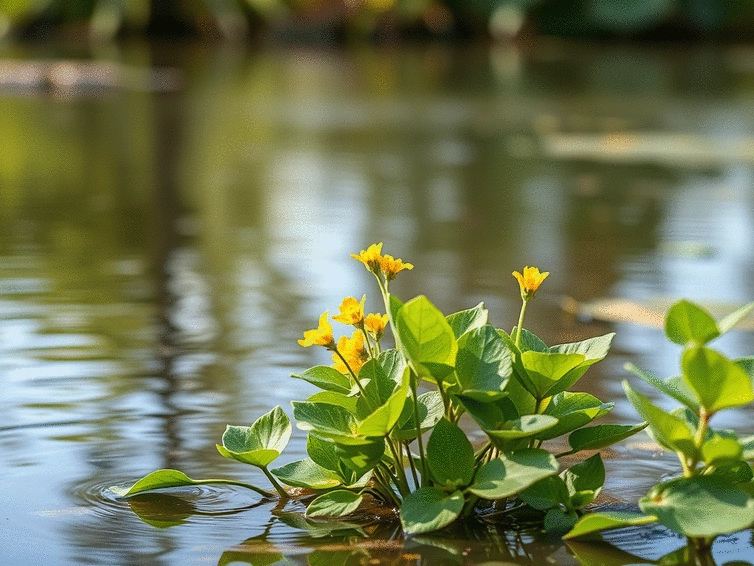
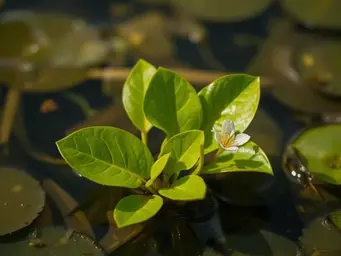
Biological Features:Ludwigia peploides features distinct oval leaves that can float or be submerged.
Flowering: This species produces bright yellow flowers that can attract pollinators but also indicate its presence in an ecosystem.
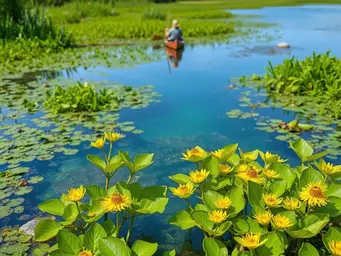
Invasive Potential: Its rapid growth and ability to form dense mats enable it to outcompete native plants for resources.
Understanding its origins helps in recognizing why Ludwigia peploides can be detrimental to ecosystems where it is introduced. Have you seen its impact firsthand? Sharing these experiences can foster a deeper dialogue about managing this invasive species.
The Global Spread of Water Primrose: Regions Affected
The spread of Ludwigia peploides has significant implications for ecosystems across the globe. In North America, it has been reported in numerous states, particularly in the southeastern regions, as detailed in ecological risk assessments by organizations like the U.S. Fish and Wildlife Service. In Europe, countries like France and Germany are grappling with its establishment in local waterways. Each region faces unique challenges posed by this invasive species.
North America: Spreading rapidly in wetlands, it affects both biodiversity and water quality.
Europe: Regions like the UK have implemented control measures to mitigate its spread.
Asia: Countries such as Japan are beginning to observe its invasion, leading to increased ecological vigilance.
Understanding the geographic spread allows us to tailor management strategies effectively. By sharing knowledge, we can combat the effects of this invasive plant more collaboratively.
Geographic Distribution and Phenotypic Variation of Ludwigia peploides
The geographic distribution of Ludwigia peploides is often accompanied by phenotypic variations influenced by local environmental conditions. In warmer climates, this species may exhibit more vigorous growth, while in cooler regions, its growth rate can be significantly hindered. These variations can complicate management strategies and necessitate a localized approach.
Growth Forms: In nutrient-rich waters, it tends to grow more robustly, forming dense mats.
Adaptability: The species can thrive in varying water conditions, showcasing its resilience.
Impact on Local Species: Variations in growth can lead to differing impacts on local biodiversity.
By studying these variations, we can better predict and respond to the challenges posed by Ludwigia peploides in different ecosystems. I invite you to explore these aspects further at the Ludwigia peploides Resource Center, where we share valuable research and management insights!
Pro Tip
When managing Ludwigia peploides, consider implementing a combination of mechanical removal and native plant restoration. This dual approach not only helps to control the invasive species but also promotes the recovery of local biodiversity, enhancing the resilience of the ecosystem.
Summarizing the Ecological and Economic Impacts of Ludwigia peploides
As we've explored the intricate dynamics of Ludwigia peploides, it's clear that its presence has profound ecological and economic implications. This invasive species not only disrupts local ecosystems but also poses challenges to recreational activities and agricultural practices. Understanding these impacts is crucial for devising effective management strategies.
Throughout our analysis, we’ve identified several key points regarding the effects of Ludwigia peploides across different regions. In particular, the loss of biodiversity and alterations to water quality stand out as significant concerns. Here’s a summary of the major impacts we've observed:
Biodiversity Loss: Native plants and animals struggle to compete with Ludwigia peploides, leading to diminished species diversity.
Habitat Alteration: The aggressive growth of water primrose can change the physical structure of wetlands, affecting the habitats of various aquatic species.
Water Quality Issues: Increased nutrient uptake by Ludwigia peploides can result in degraded water quality, impacting both human and ecological health.
Economic Costs: Managing this invasive species incurs significant costs for local economies, particularly in sectors like agriculture and tourism.
By recognizing these impacts, we can better understand the urgency of addressing the challenges posed by Ludwigia peploides. The relationship between this invasive plant and regional ecosystems varies, making it essential to tailor management approaches to specific local contexts.
Key Takeaways from the Comparative Analysis of Regional Impacts
In examining regional variations in the impacts of Ludwigia peploides, we've identified some intriguing trends that can guide future strategies. Here are some key takeaways from our comparative analysis:
Varying Invasive Potential: Regions with differing climates and water regimes experience various levels of invasion success, influencing management strategies.
Local Biodiversity Resilience: Areas with robust native plant communities exhibit greater resilience against invasion, highlighting the importance of biodiversity in ecological health.
Tailored Management Approaches: Effective control measures must consider local ecological dynamics, including the unique challenges presented by Ludwigia peploides.
These insights stress the importance of localized research and community involvement in managing this invasive species. Engaging with local ecologists, land managers, and citizens can result in more effective and sustainable strategies against Ludwigia peploides.
Frequently Asked Questions (FAQs)
What is Ludwigia peploides?
Ludwigia peploides, also known as creeping water primrose, is a perennial aquatic plant native to South America. It is characterized by its floating leaves and bright yellow flowers, and it has become an invasive species in many parts of the world.
Where did Ludwigia peploides originate?
This species originated in the freshwater wetlands of South America, particularly in Brazil and Argentina.
How does Ludwigia peploides spread globally?
Its spread is largely facilitated by human activities, including horticulture (e.g., as an ornamental pond plant) and modifications to waterways, which can transport plant fragments to new locations.
What are the main ecological impacts of Ludwigia peploides?
Its main ecological impacts include outcompeting native plants for resources, leading to biodiversity loss, altering aquatic habitats, and degrading water quality due to increased nutrient uptake and dense mats.
Why are local communities important in managing this invasive species?
Local communities play a crucial role through their knowledge of local conditions, participation in removal and restoration efforts, and by increasing public awareness and education, which are vital for effective and sustainable management strategies.
Acting on Knowledge: Recommendations for Future Management
With a thorough understanding of the ecological impacts of Ludwigia peploides, it’s time to turn our attention to actionable recommendations for effective management. At the Ludwigia peploides Resource Center, we believe that informed strategies can lead to significant advancements in controlling this invasive species.
Integrating Regional Insights into Effective Control Plans
One of the most vital steps toward managing Ludwigia peploides is integrating regional insights into control plans. This involves:
Conducting Local Assessments: Understanding specific ecological conditions can inform targeted management efforts.
Utilizing Community Knowledge: Local stakeholders often have valuable experiences and observations that can enrich control strategies.
Implementing Adaptive Management: Regularly updating control measures based on ongoing research and monitoring can enhance effectiveness.
By focusing on these strategies, we can foster an environment where effective management of Ludwigia peploides thrives, benefiting both the ecosystems and communities we care deeply about.
Engaging with Local Communities: The Role of Awareness and Education
Public awareness and education are crucial components in the fight against invasive species like Ludwigia peploides. Here are some effective ways to engage local communities:
Workshops and Seminars: Hosting events to educate the public on identifying and managing Ludwigia peploides can empower community involvement.
Collaborative Initiatives: Partnering with local organizations to create invasive species management programs can enhance outreach and effectiveness.
Utilizing Social Media: Sharing success stories and educational content through social platforms can raise awareness and inspire action.
By fostering a community that is informed and passionate about ecological health, we can collectively work towards mitigating the impacts of Ludwigia peploides.
The Importance of Community Structure and Biodiversity in Management Efforts
Understanding the community structure and biodiversity of an area plays a significant role in managing Ludwigia peploides effectively. Consider the following:
Enhanced Resilience: Diverse ecosystems are typically more resilient to invasions, making it vital to support native species.
Collaborative Restoration: Engaging local stakeholders in restoration efforts can help rebuild the native plant community, which serves as a buffer against invasives.
Ongoing Monitoring: Regular assessments of local biodiversity can provide critical data for adaptive management strategies.
By prioritizing the health of our ecosystems and actively engaging with community efforts, we can significantly reduce the spread and impact of Ludwigia peploides. Together, let’s champion the cause of ecological integrity and biodiversity!
Recap of Key Points
Here is a quick recap of the important points discussed in the article:
Understanding Ludwigia peploides: This invasive plant, originally from South America, disrupts local ecosystems by outcompeting native species.
Global Spread:Ludwigia peploides has been reported in North America, Europe, and Asia, impacting biodiversity and water quality across these regions.
Ecological and Economic Impacts: The species leads to biodiversity loss, habitat alteration, and increased management costs for local economies.
Localized Management Strategies: Tailored approaches that consider regional ecological dynamics are vital for effective control of Ludwigia peploides.
Community Engagement: Raising awareness and involving local stakeholders in management efforts can enhance the effectiveness of control measures.
At the Ludwigia Peploides Resource Center, we are committed to delivering comprehensive scientific and educational materials. Our mission is to empower ecologists, students, and land managers in controlling invasive species and restoring ecological balance.

Factors Influencing Ludwigia Germination
Ludwigia Peploides Eradication Case Studies
Monitoring Ludwigia Peploides Spread Strategies
Ludwigia peploides: Water and Stress
Disposing of Ludwigia Peploides Safely