
Manual & Mechanical Control
Hand-pulling and mowing for small infestations. Direct removal methods.
Primary IPM Method
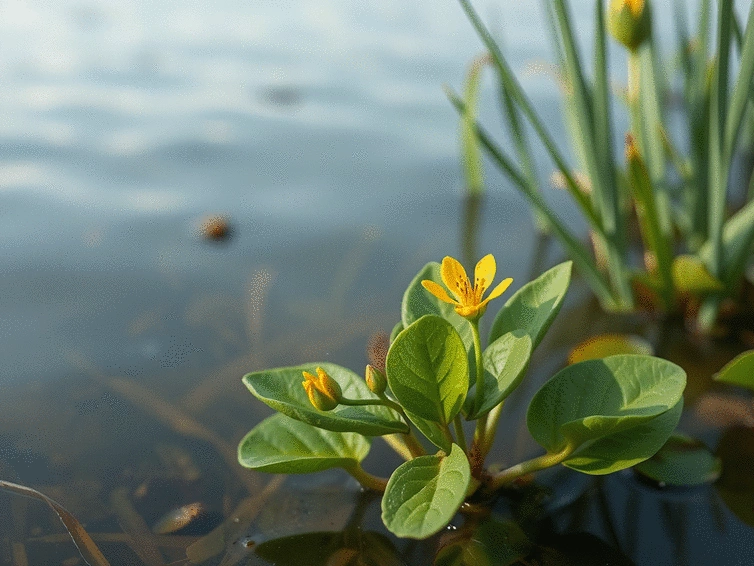
Consider the last time you walked along a riverbank or through a wetland. Did you notice the vibrant plants around you, or was your attention drawn to a sprawling mat of green? The invasive Ludwigia peploides, known as creeping water primrose, can quickly overshadow native flora, transforming the landscape and threatening biodiversity. This article dives deep into understanding this species and the effective strategies for its management.
The article discusses Integrated Pest Management (IPM) strategies for Ludwigia peploides, detailing its impact and various control methods. The key information that can be visually represented is the breakdown of IPM strategies.
An overview of the holistic approach to controlling invasive water primrose, combining various methods for ecological health.
Hand-pulling and mowing for small infestations. Direct removal methods.
Systemic & selective herbicides; requires careful application and environmental consideration.
Practices encouraging native vegetation to prevent invasive spread.
Biological control options and fostering balanced ecosystems for long-term control.
The invasive Ludwigia peploides, or creeping water primrose, poses significant challenges to sensitive ecosystems. Its ability to thrive in wetlands and riverbanks often leads to the formation of dense mats, which can smother native flora and disrupt aquatic habitats. Understanding its biology and distribution is essential for effective management and restoration efforts. Have you ever seen how quickly it can take over a waterway? This rapid spread can create a host of ecological issues that land managers like us strive to address.
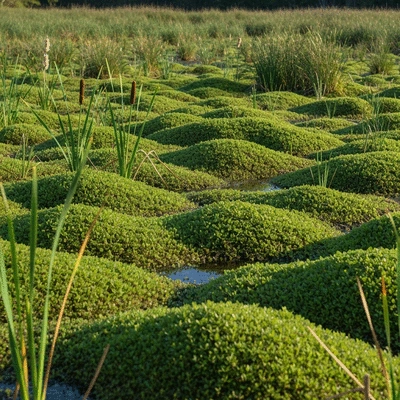
From a biological perspective, Ludwigia peploides is a perennial herb that grows rapidly and can outcompete native species for resources such as sunlight and nutrients. As it proliferates, it can compromise the biodiversity of affected ecosystems. For those of us working in ecology, recognizing the impact of this plant is critical in our ongoing battle to maintain ecological balance.
When examining the effects of Ludwigia peploides on wetlands and rivers, it's crucial to consider its ecological footprint. Its rapid growth can alter hydrology and nutrient cycling, causing profound changes in aquatic ecosystems. The following points highlight its impact:
Such impacts underscore the need for effective management strategies that align with ecological health. As I often tell my students, controlling such an invasive species is not just about removal; it's about understanding the intricate relationships within our ecosystems. For more detailed information on the threats posed by invasive aquatic plants, you can consult research from the U.S. Army Corps of Engineers.
Integrated Pest Management (IPM) is an ecosystem-based strategy that combines different management practices to effectively control pest populations while minimizing risks to human health and the environment. For Ludwigia peploides, IPM focuses on understanding its life cycle and environmental conditions that favor its growth.
Key principles of IPM include:
This approach not only targets the plant itself but also fosters the recovery of native species and the overall health of the ecosystem. Through my work at the Ludwigia Peploides Resource Center, I've seen firsthand how IPM can lead to sustainable solutions that benefit both nature and the people relying on those ecosystems. You can find more comprehensive resources on IPM strategies for various pests, including invasive plants, through the U.S. Environmental Protection Agency (EPA).
Examining the implications of Ludwigia peploides on non-target species and the broader ecosystem involves ecotoxicological evaluations. Understanding how this invasive plant interacts with other species can help us gauge its impact and inform our management practices.
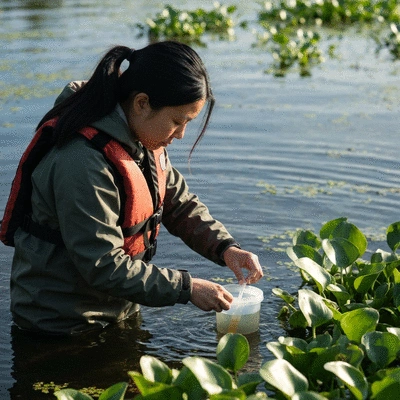
For instance, studies often reveal that dense mats of Ludwigia can:
These findings emphasize the importance of ecological assessments when planning management strategies. Engaging with these details allows us to make more informed decisions about how to mitigate the impacts of Ludwigia peploides in our waterways and wetlands. Further insights into the ecological impacts of invasive species can be found in publications from the United States Department of Agriculture (USDA).
Ludwigia peploides, also known as creeping water primrose, is an invasive perennial herb that rapidly forms dense mats in wetlands and riverbanks. It outcompetes native plants for resources, reduces light availability for aquatic life, alters sediment dynamics, and can deplete oxygen levels in the water, severely impacting biodiversity and ecosystem health.
IPM is an ecosystem-based strategy that combines various management practices to control pest populations while minimizing environmental and health risks. For Ludwigia peploides, it involves monitoring, using physical, biological, and chemical controls, and implementing cultural practices to prevent its spread and foster ecosystem recovery.
The main strategies include: Manual and Mechanical Control (hand-pulling, mowing for small infestations); Chemical Control (systemic and selective herbicides with careful application); Cultural Controls (promoting native vegetation to prevent invasion); and Ecological Management (biological control options and fostering balanced ecosystems).
Its impacts include aggressive competition with native plants, reduced light for submerged vegetation, altered sediment dynamics leading to erosion, depletion of water oxygen levels, changes in habitat structures, and the release of allelopathic compounds that hinder other plant growth.
Community engagement, such as involving local volunteers in physical removal efforts, not only aids in direct control but also raises awareness about the invasive species' impacts. This fosters a collective responsibility and can lead to greater success in management and restoration efforts.
When managing Ludwigia peploides, consider integrating community engagement into your IPM strategies. Involving local volunteers not only helps with physical removal efforts but also raises awareness about the impacts of this invasive species, fostering a collective responsibility towards ecological health.
As we navigate the complexities of managing Ludwigia peploides, it’s crucial to recap the key Integrated Pest Management (IPM) strategies discussed throughout this article. These strategies offer a holistic approach to controlling this invasive plant while promoting ecological health. Here’s a quick summary of the most effective methods:
Incorporating these strategies not only combats the spread of Ludwigia peploides but also enhances the resilience of our ecosystems. At the Ludwigia Peploides Resource Center, we believe that informed management decisions can make a significant difference in restoring ecological balance.
Now that we’ve explored these IPM strategies, I encourage you to consider how you can implement them in your own ecosystems. Collaborating with local environmental groups can amplify your efforts and lead to greater successes in managing Ludwigia peploides. Every action counts!
By sharing our knowledge and experiences, we can create a community dedicated to preserving our wetlands and ensuring the health of our native species. Have you thought about joining forces with local organizations? Your involvement can make a real impact in the fight against invasive species!
Here is a quick recap of the important points discussed in the article:
Monitoring Ludwigia Peploides Spread Strategies
As the battle against invasive species intensifies, understanding their impact on ecosystems becomes
Ludwigia peploides: Water and Stress
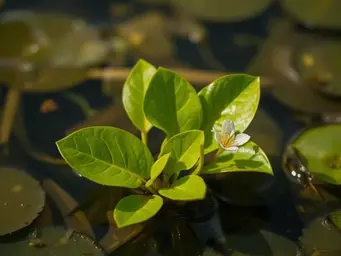
Consider this: a single aquatic plant can transform an entire ecosystem. Understanding the complexit
Disposing of Ludwigia Peploides Safely
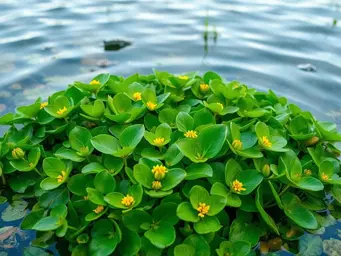
As we delve into the complexities of managing invasive species, consider this: did you know that a s
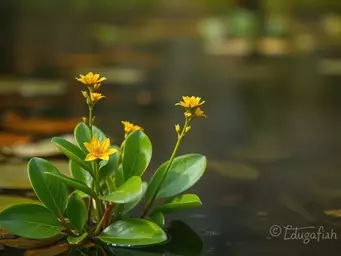
Monitoring Ludwigia Peploides Spread Strategies
Ludwigia peploides: Water and Stress
Disposing of Ludwigia Peploides Safely
Ecological Risks of Ludwigia Peploides
Ludwigia Species Identification Guide