
1. The Environmental Impact
- ↓Reduced biodiversity, outcompeting native species.
- 🌊Alteration of water flow & sedimentation.
- 🐠Decreased habitat for fish & amphibians.
- 📈Increased nutrient cycling (eutrophication).
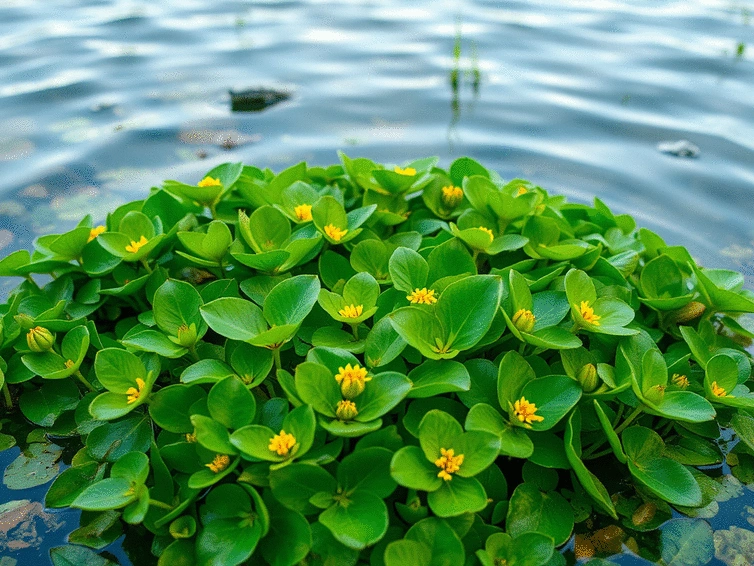
As we delve into the complexities of managing invasive species, consider this: did you know that a single plant can disrupt an entire ecosystem? Discover the essential insights on tackling the creeping water primrose, Ludwigia peploides, and learn how communities can unite for ecological health.
Effective management of Ludwigia peploides requires a strategic approach, encompassing removal, monitoring, and community collaboration. The visual below outlines key methods and their critical role in preventing reinfestation and preserving aquatic ecosystems.
As an ecologist with a passion for aquatic plant species, I've seen firsthand the impact of Ludwigia peploides, or creeping water primrose, in various ecosystems. This invasive plant can significantly disrupt aquatic habitats, leading to a cascade of negative effects. It forms dense mats on the water's surface, which can block sunlight and outcompete native species for essential resources.
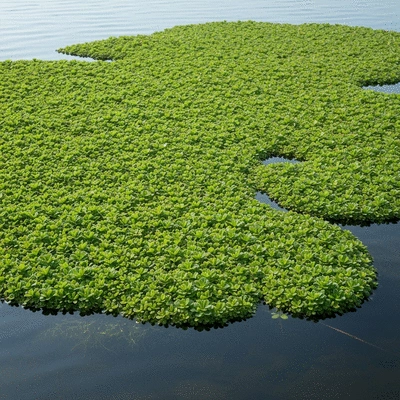
Understanding the environmental impact of Ludwigia peploides invasions is crucial for effective management. By recognizing the consequences, we can better appreciate the need for robust disposal methods to mitigate its spread.
When Ludwigia peploides takes over, it doesn't just affect the immediate area; it can alter entire aquatic ecosystems. For instance, reduced biodiversity can occur as native species struggle to survive in the shadows of this rapidly spreading plant. According to a management plan from the New York State Department of Environmental Conservation, the plant's aggressive growth can lead to significant ecological damage.
These impacts highlight why we must take the invasion of Ludwigia peploides seriously, as its reach can extend far beyond what we observe initially. It’s essential to understand these dynamics to implement effective management strategies.
Proper disposal methods are critical to preventing reinfestation. If not handled appropriately, discarded plant material can reestablish itself in new areas, leading to a cycle of invasiveness. For instance, King County's Noxious Weed Control Program provides detailed information on identification and control methods for floating primrose-willow, emphasizing careful disposal.
We at the Ludwigia Peploides Resource Center emphasize the importance of understanding these disposal techniques among land managers and ecologists striving for healthy ecosystems.
Managing invasive plant species like Ludwigia peploides in aquatic environments comes with its own set of challenges. Factors such as water accessibility, environmental regulations, and public awareness can all play a role in the effectiveness of management efforts. The city of Portland, for example, offers resources on managing water primrose, highlighting the complexities involved.
Through my work, I’ve found that addressing these challenges requires collaboration and education to foster effective community involvement in invasive species management.
When managing Ludwigia peploides, consider integrating community-based monitoring programs. Engaging local volunteers not only increases awareness but also enhances the effectiveness of your control efforts. Empowering residents to participate in regular assessments can help detect early signs of reinfestation, leading to timely interventions and healthier ecosystems.
As we wrap up our discussion on the effective disposal methods for Ludwigia peploides, it's essential to focus on a few key takeaways that can significantly help in preventing reinfestation. The management of this invasive plant requires a strategic approach that includes not just effective removal, but also vigilant monitoring and community collaboration.
In summary, effective disposal methods can be categorized into several strategies:

These points underscore the comprehensive approach necessary for controlling Ludwigia peploides, promoting sustainable practices, and ensuring healthy ecosystems. Have you considered how your local community can contribute to these efforts?
Ongoing monitoring is critical for the success of disposal strategies. Establishing a routine check on previously affected areas ensures that any signs of reinfestation can be addressed swiftly. Community involvement plays a pivotal role in this process. Engaging local residents in monitoring efforts can lead to enhanced awareness and a shared responsibility for the health of our aquatic ecosystems.
By fostering community involvement, we not only strengthen the fight against Ludwigia peploides but also build a network of informed citizens ready to take action. Have you seen community initiatives that effectively tackle invasive species in your area?
The preservation of native ecosystems is vital for maintaining biodiversity. Invasive species like Ludwigia peploides threaten this balance, making it essential to implement effective disposal methods. By focusing on native plant restoration and ecosystem health, we can work towards a more sustainable future.
Some key strategies include:
Understanding and actively participating in biodiversity conservation efforts not only enhances ecosystem resilience but also enriches our natural heritage. Have you thought about how you can contribute to these initiatives in your community?
Ludwigia peploides, also known as creeping water primrose, is an invasive plant that forms dense mats on water surfaces. This disrupts aquatic habitats by blocking sunlight, outcompeting native species, altering water flow, and reducing habitat for fish and amphibians, leading to an overall reduction in biodiversity.
Effective disposal methods include mechanical removal with proper protocols, targeted chemical treatments, engaging communities for awareness and action, and continuous monitoring for early detection of reinfestation.
Proper disposal is critical because even small fragments of Ludwigia peploides can reestablish themselves in new areas. Careful disposal prevents the spread of seeds and vegetative fragments, avoids contaminating other water bodies, and protects local flora and fauna from further threats.
Challenges include limited access to certain aquatic areas, complexities in regulatory compliance, and a lack of community awareness and support. Additionally, protecting native flora and fauna during removal efforts is a significant challenge.
Communities can get involved by participating in local conservation groups, organizing or joining cleanup events, advocating for sustainable management policies, and engaging in community-based monitoring programs to detect early signs of reinfestation.
As we move forward, it's crucial to access the right resources for adhering to regional compliance regarding invasive species management. The Ludwigia Peploides Resource Center provides comprehensive guides and research summaries tailored to help land managers and ecologists navigate these regulations effectively.
Equipped with the right tools and knowledge, we can ensure responsible disposal practices that align with both legal requirements and ecological safety. Are you familiar with the resources available in your area?
Joining the effort to manage Ludwigia peploides is not just about individual action; it's about community collaboration. By participating in local initiatives, you can help amplify the impact of these efforts. This involvement can take many forms, from attending meetings to volunteering for cleanup events.
Together, we can build a strong community of advocates dedicated to restoring our ecosystems. What steps will you take to engage your community in this vital cause?
Finally, promoting sustainable practices in the management of invasive species is essential for long-term ecological health. This involves integrating best practices in disposal methods while educating others about the importance of biodiversity conservation. As the founder of the Ludwigia Peploides Resource Center, I continually emphasize the need for sustainable approaches that not only control invasives but also enhance the resilience of our ecosystems.
By integrating sustainability into our approach, we contribute to a healthier environment for future generations. What sustainable practices do you believe are most critical for our communities?
Here is a quick recap of the important points discussed in the article:
Ludwigia peploides: Water and Stress
Consider this: a single aquatic plant can transform an entire ecosystem. Understanding the complexit
Disposing of Ludwigia Peploides Safely
As we delve into the complexities of managing invasive species, consider this: did you know that a s
Ecological Risks of Ludwigia Peploides
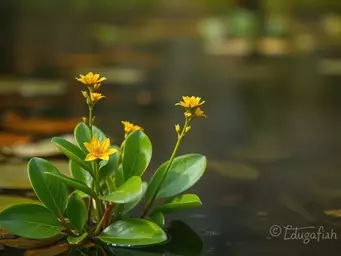
What if a single plant could alter an entire ecosystem? Ludwigia peploides, known as creeping water
![Comparative Biology: Ludwigia peploides vs. Ludwigia hexapetala – Key Differences and Identification Tips[2]](https://ludwigiapeploides.com/img/ALX99HCoPd-UL_IMAGERH26Sp-t.webp)
Ludwigia peploides: Water and Stress
Disposing of Ludwigia Peploides Safely
Ecological Risks of Ludwigia Peploides
Ludwigia Species Identification Guide
Monitoring Ludwigia peploides Recovery Efforts