
Overview: Characteristics & Distribution
- Perennial herb, forms dense mats in shallow waters.
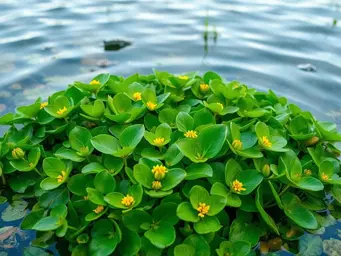
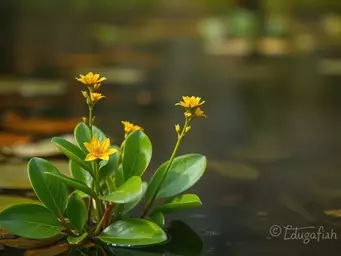
- Oval leaves (floating/submerged), vibrant yellow flowers.
- Found in wetlands, ponds, slow rivers, thrives in disturbed areas.
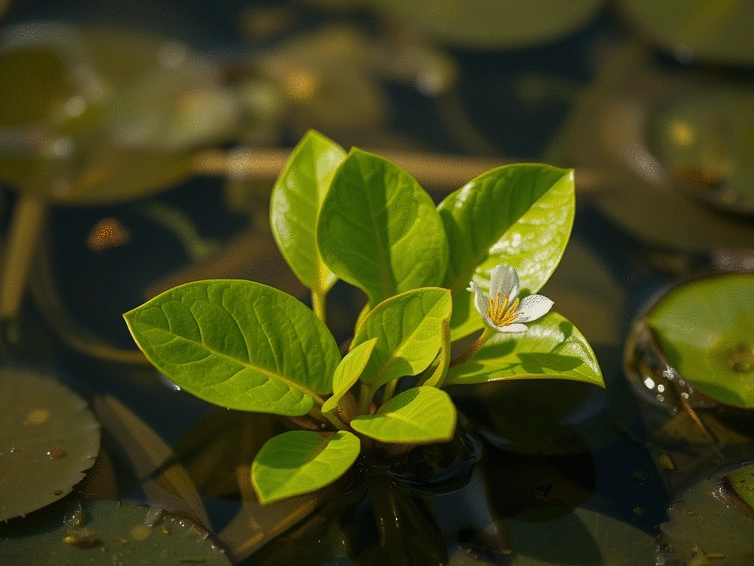
Consider this: a single aquatic plant can transform an entire ecosystem. Understanding the complexities of Ludwigia peploides is not just important for scientists; it's essential for everyone who values biodiversity and ecosystem health. Let's uncover the vital lessons this invasive species teaches us.
Understanding the ecophysiology of Ludwigia peploides is crucial for effective management and restoration. The visual below highlights its key characteristics, water use significance, and physiological insights.
At the Ludwigia Peploides Resource Center, we are passionate about the intricacies of Ludwigia peploides, or creeping water primrose. This remarkable aquatic plant is not only a striking addition to wetland ecosystems but also a complex organism with unique adaptations. Understanding its ecophysiology is crucial for effective management and restoration efforts. So, let's delve into its characteristics and distribution, water use significance, and physiological insights!
Ludwigia peploides is a perennial herb that flourishes in shallow waters, often forming dense mats that can significantly alter aquatic landscapes. Look for its distinctive oval leaves, which may float on the water's surface or be submerged. The plant produces vibrant yellow flowers in clusters, making it relatively easy to identify in its natural habitat. But where can you find this species?
Recognizing its distribution is essential for land managers and ecologists alike. Have you noticed any changes in your local waterways? Understanding these shifts can help us grasp the larger ecological impacts of Ludwigia peploides.
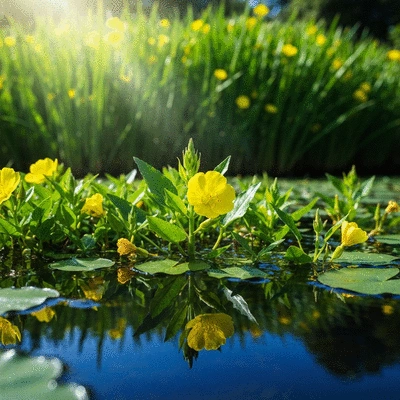
Water is the lifeblood of Ludwigia peploides. This plant's ability to utilize water efficiently plays a critical role in its success as an invasive species. Through adaptations in its structure and physiology, Ludwigia peploides can thrive in various aquatic environments. Here are some key aspects of its water use:
This efficient water use can lead to significant ecological changes when Ludwigia peploides invades new habitats. Thus, understanding its water consumption patterns is vital for developing effective management strategies. Further research highlights the functional trait responses of invasive Ludwigia species to contrasting hydrologic conditions.
One of the fascinating aspects of Ludwigia peploides is its nutrient uptake ability, which is closely tied to its water efficiency. This plant has adapted to maximize the absorption of essential nutrients while minimizing water loss. Notably, its root systems are designed to exploit the nutrient-rich sediments found in wetland environments.
These physiological traits not only support Ludwigia peploides's growth but also pose challenges for native plant communities. For instance, studies have investigated the plant's metabolic responses to herbicide treatments, demonstrating its resilience. As we explore these characteristics further, it becomes evident that understanding plant physiology is crucial for devising strategies to manage this invasive species effectively.
To effectively manage Ludwigia peploides in your local waterways, consider implementing a combination of mechanical removal and targeted herbicide application. Monitoring the growth patterns of this invasive species can also help in developing more tailored strategies that consider its water use efficiency and nutrient uptake capabilities.
As we dive into the intricacies of Ludwigia peploides, it's essential to grasp its ecophysiological dynamics. This plant not only showcases unique characteristics but plays a significant role in aquatic ecosystems. Understanding its water use, photosynthesis, and stress responses helps us better manage this invasive species and mitigate its ecological impacts.
Here are some key takeaways to consider:
These insights are crucial for ecologists and land managers as we work on effective strategies to control this species. Have you observed any of these traits in your local environments?
To further clarify the key points regarding Ludwigia peploides, here are some frequently asked questions:
The implications of understanding the ecophysiology of Ludwigia peploides extend beyond the lab. Its rapid growth and ecological effects underscore the urgent need for effective management strategies. By recognizing its characteristics, we can devise better control methods that minimize its spread and protect native biodiversity.
Consider these management implications:
As more researchers engage with this plant's complexities, our collective understanding deepens, allowing us to tackle the challenges it presents. The European Commission also provides valuable guidance on managing invasive alien species like Ludwigia peploides.
Now that we’ve summarized the essential aspects of Ludwigia peploides, I invite you to join this conversation! Engaging with research on this species is vital for effective management and ecological restoration. At the Ludwigia Peploides Resource Center, we believe that collaboration is key to enhancing our collective knowledge.
Let’s work together to fill the research gaps surrounding Ludwigia peploides! Collaborative studies can lead to innovative management strategies and a better grasp of its ecological role. I encourage ecologists, researchers, and students to share data and findings, promoting transparency and collective problem-solving.
Here are a few ways to engage:
Your involvement can make a substantial difference in how we understand and manage this invasive species!
Connecting with fellow ecologists and invasive species managers is crucial for creating a robust network dedicated to tackling the challenges posed by Ludwigia peploides. I encourage you to reach out to local conservation groups and engage in discussions about best practices and success stories.
Consider these opportunities:
Together, we can foster a deeper understanding of Ludwigia peploides and its impact on our ecosystems, paving the way for effective management strategies that benefit both our communities and the environment!
Here is a quick recap of the important points discussed in the article:
Ludwigia peploides: Water and Stress
Consider this: a single aquatic plant can transform an entire ecosystem. Understanding the complexit
Disposing of Ludwigia Peploides Safely
As we delve into the complexities of managing invasive species, consider this: did you know that a s
Ecological Risks of Ludwigia Peploides
What if a single plant could alter an entire ecosystem? Ludwigia peploides, known as creeping water
![Comparative Biology: Ludwigia peploides vs. Ludwigia hexapetala – Key Differences and Identification Tips[2]](https://ludwigiapeploides.com/img/ALX99HCoPd-UL_IMAGERH26Sp-t.webp)
Ludwigia peploides: Water and Stress
Disposing of Ludwigia Peploides Safely
Ecological Risks of Ludwigia Peploides
Ludwigia Species Identification Guide
Monitoring Ludwigia peploides Recovery Efforts