
Rapid Reproduction & Spread (seeds, fragmentation)
2026-02-13
Ecological Risks of Ludwigia Peploides
What if a single plant could alter an entire ecosystem? Ludwigia peploides, known as creeping water primrose, is more than just a fascinating botanical specimen; it’s an invasive species that can dramatically disrupt wetland ecosystems. Understanding its impact and management is vital for both ecologists and concerned citizens alike.
What You Will Learn
- Ludwigia peploides is considered invasive due to its rapid reproduction and ability to outcompete native plants for resources.
- The plant thrives in wetland environments like shallow lakes, ponds, and slow-moving rivers, forming dense mats that disrupt local biodiversity.
- Invasive species like Ludwigia peploides can lead to reduced light penetration and altered water flow, affecting the ecosystem’s health.
- Community engagement is essential for effective management, including raising awareness, volunteering, and advocating for sustainable practices.
- Successful ecological restoration requires a focus on native plant restoration, ongoing monitoring, and adaptive management strategies.
The Lifecycle of Ludwigia Peploides and Ecosystem Recovery
This visual illustrates the invasive cycle of Ludwigia peploides and the multi-stage recovery process for ecosystems after intervention.
Understanding the Invasive Nature of Ludwigia Peploides
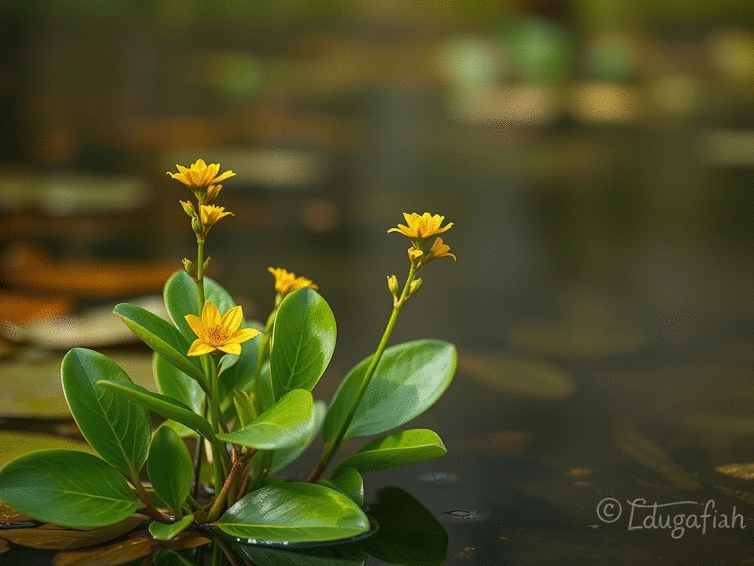
Ludwigia peploides, also known as creeping water primrose, is a perennial aquatic plant that thrives in wetland ecosystems. But why is it often labeled as invasive? The truth is, this plant can quickly outcompete native species for resources, creating significant challenges for ecological balance. Its ability to form dense mats on water surfaces disrupts local biodiversity and alters habitat conditions.
As an ecologist with a passion for plant biology, I’ve seen firsthand how the rapid growth of Ludwigia peploides can transform serene waterways into overcrowded landscapes. Understanding its invasive nature is crucial for effective management and restoration efforts.
What is Ludwigia Peploides and Why is it Considered Invasive?
Ludwigia peploides is native to the wetlands of South America but has spread to various parts of North America due to human activity. Its ability to thrive in diverse aquatic environments is alarming. This species is classified as invasive primarily because:
- It reproduces quickly, both through seeds and vegetative fragmentation.
- It can tolerate a wide range of environmental conditions.
- It outcompetes native species for nutrients and sunlight.
In my work at the Ludwigia Peploides Resource Center, I emphasize the importance of identifying and notifying local land managers about the presence of this invasive species. The sooner action is taken, the better chance we have at mitigating its spread! For further insights into its ecological risk, consider reviewing this Ecological Risk Screening Summary.
The Spread and Habitats of Ludwigia Peploides
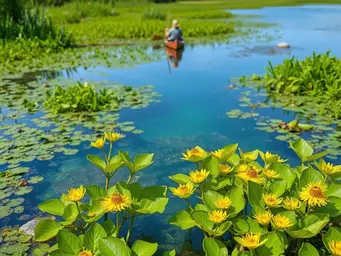
Ludwigia peploides prefers shallow waters, often found in wetlands, ponds, and slow-moving rivers. Its ability to adapt to various habitats contributes to its spread across regions. Here are some common habitats where you might encounter this invasive plant:
- Shallow lakes and ponds
- Canals and ditches
- Marshes and swamps
The spread of Ludwigia peploides can quickly lead to the formation of extensive mats, choking out other aquatic plants and disrupting the natural ecosystem balance. Have you noticed changes in your local waterways? Your observations are vital in understanding its impact! For more detailed information on managing its spread, you can refer to resources like the Peconic Estuary Program's Management Plan.
Ecological Impact on Wetland Ecosystems
The ecological consequences of Ludwigia peploides invasion can be profound. As it dominates, it disrupts local ecosystems, leading to:
- Reduced light penetration, affecting photosynthesis in native plants.
- Altered water flow and sedimentation patterns.
- Changes in habitat availability for aquatic animals.
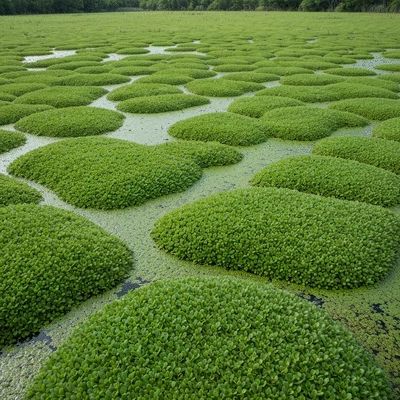
At the Ludwigia Peploides Resource Center, we aim to educate land managers and students about these impacts. By spreading awareness, we can promote more effective management strategies that protect our wetlands and the biodiversity within them. Research on aquatic invasive plants also highlights the significant ecosystem impacts of species like Ludwigia peploides.
Pro Tip
When managing Ludwigia peploides, consider incorporating native plants into your restoration efforts. Not only do they help re-establish ecological balance, but they can also outcompete creeping water primrose, reducing its chance to dominate the habitat. Engaging local volunteers in planting these species can foster community support and enhance the success of your management strategies.
Strategies for Ecological Restoration and Future Outlook
As we navigate the challenges posed by Ludwigia peploides, understanding effective strategies for ecological restoration becomes essential. Recovery from invasive species like creeping water primrose is not just about removal; it’s about fostering resilience in affected ecosystems. What can we expect during the recovery process, and how can we contribute to these efforts?
In this section, we’ll explore the key strategies for restoring ecosystems impacted by Ludwigia peploides, emphasizing the importance of community involvement and informed management practices.
Assessing Recovery Timelines: What to Expect After Intervention
Recovery timelines can vary significantly depending on the extent of infestation and the methods used for management. Typically, the process unfolds in stages:
- Immediate Response: Within the first few months of intervention, we may observe initial signs of recovery, such as the regrowth of native species.
- Short-Term Recovery (1-3 years): As the invasive species is managed, native plants gradually re-establish themselves, improving overall biodiversity.
- Long-Term Recovery (3-5 years): Ecosystems may take several years to fully recover, especially as the soil and water quality improve and native habitats stabilize.
It’s critical to monitor these stages closely. For those of us working in ecology, understanding these timelines allows us to set realistic expectations and adjust management strategies when needed.
Role of Community Engagement and Policy in Management Efforts
Community engagement plays a vital role in the success of management efforts against Ludwigia peploides. Local stakeholders, including residents, land managers, and conservation groups, can significantly impact restoration initiatives. Consider the following ways to foster community involvement:
- Awareness Campaigns: Educate the public about the implications of invasive species and the benefits of restoration.
- Volunteering Opportunities: Encourage community members to participate in hands-on restoration activities, such as planting native species.
- Policy Advocacy: Engage with local governments to promote policies that support sustainable management practices.
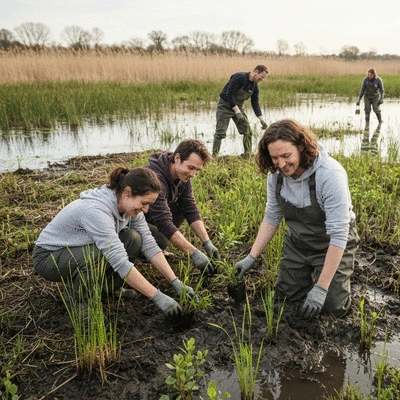
When communities unite around these shared goals, we can create a more substantial impact and ensure the long-term health of our ecosystems.
Restoration Ecology: Best Practices for Ecosystem Recovery
In the field of restoration ecology, there are several best practices that can help guide our efforts in combating Ludwigia peploides invasions:
- Native Plant Restoration: Focus on reintroducing native plant species that are well-adapted to local conditions, thus promoting biodiversity.
- Monitoring and Assessment: Regularly evaluate the effectiveness of restoration efforts to identify areas for improvement.
- Adaptive Management: Be flexible and willing to change tactics based on what is or isn’t working in the ecosystem.
Implementing these best practices not only aids in the recovery of ecosystems but also strengthens the resilience of local communities against future invasions.
Your Role in Protecting Ecosystems from Ludwigia Peploides
Every individual has a role to play in protecting our ecosystems from the spread of Ludwigia peploides. Whether you’re a seasoned ecologist or a concerned citizen, your actions can contribute to effective management efforts.
How Individuals Can Support Management Efforts
There are many ways to get involved and make a difference:
- Participate in Local Clean-Up Events: Join efforts to remove invasive species from local waterways.
- Educate Others: Share knowledge about the impacts of invasive species on ecosystems with friends and family.
- Advocate for Sustainable Practices: Support local policies that prioritize ecological health and restoration.
Even small actions can lead to significant changes when many individuals come together for a common cause!
Resources for Further Learning and Involvement
For those interested in diving deeper into the topic of Ludwigia peploides and ecosystem management, there are numerous resources available:
- Ludwigia Peploides Resource Center: Explore our comprehensive educational materials for research and management strategies.
- Local Conservation Groups: Join organizations focused on ecological health and participate in their initiatives.
- Online Webinars and Workshops: Attend sessions that provide insights into best practices for managing invasive species.
By utilizing these resources, we can better equip ourselves and our communities to tackle the challenges posed by invasive species. Together, let’s work toward a future where our wetlands thrive!
Frequently Asked Questions about Ludwigia Peploides
What is Ludwigia peploides?
Ludwigia peploides, also known as creeping water primrose, is a perennial aquatic plant native to South America that has become an invasive species in many parts of North America and other regions. It is known for its rapid growth and ability to form dense mats on water surfaces.
Why is Ludwigia peploides considered invasive?
It is considered invasive because it reproduces quickly (both by seeds and fragmentation), outcompetes native plants for resources like sunlight and nutrients, and can tolerate a wide range of environmental conditions. This leads to reduced biodiversity and altered ecosystem functions.
What kind of habitats does Ludwigia peploides thrive in?
This plant prefers shallow aquatic environments such as wetlands, ponds, slow-moving rivers, canals, ditches, marshes, and swamps.
What are the ecological impacts of Ludwigia peploides invasion?
Its invasion can lead to significant ecological impacts including reduced light penetration for native plants, altered water flow and sedimentation patterns, and changes in habitat availability for aquatic animals, ultimately disrupting the entire ecosystem.
How long does it take for an ecosystem to recover after intervention against Ludwigia peploides?
Recovery timelines vary. Immediate responses may be seen within months with native regrowth. Short-term recovery (1-3 years) involves native re-establishment, while long-term recovery (3-5 years) is needed for full ecosystem stabilization and improved soil/water quality.
How can individuals help in managing Ludwigia peploides?
Individuals can support management efforts by participating in local clean-up events, educating others about invasive species, and advocating for sustainable ecological practices and policies.
Recap of Key Points
Here is a quick recap of the important points discussed in the article:
- Ludwigia peploides is an invasive aquatic plant that outcompetes native species for resources.
- Common habitats for Ludwigia peploides include shallow lakes, ponds, canals, and marshes.
- The ecological impact includes reduced biodiversity, altered water flow, and habitat changes for aquatic animals.
- Effective management strategies involve community engagement, native plant restoration, and adaptive management practices.
- Individual actions, such as participating in clean-up events and advocating for sustainable practices, are crucial for ecosystem protection.
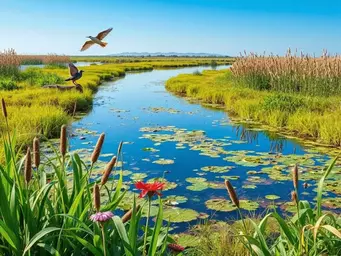
Restoration Insights After Ludwigia Removal
Factors Influencing Ludwigia Germination
Ludwigia Peploides Eradication Case Studies
Monitoring Ludwigia Peploides Spread Strategies
Ludwigia peploides: Water and Stress