
Rapid Growth & Resource Competition
- Doubles coverage in weeks.
- Aggressively competes for light & nutrients.
- Disrupts water flow.
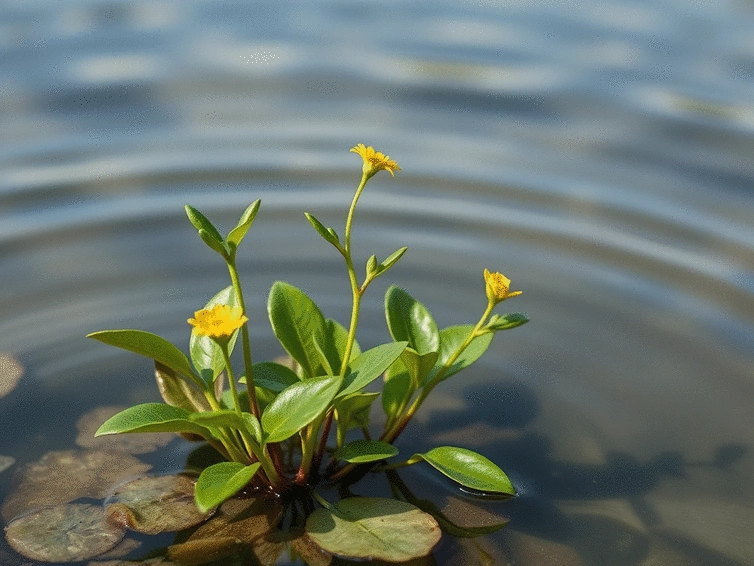
As the battle against invasive species intensifies, understanding their impact on ecosystems becomes paramount. In the case of Ludwigia peploides, or creeping water primrose, we uncover the complexities of its invasion and the urgent need for effective management strategies. What lessons can we draw from its ecological narrative?
The following visual summarizes the ecological impacts and key management strategies for Ludwigia Peploides, emphasizing its rapid growth and the importance of community involvement.
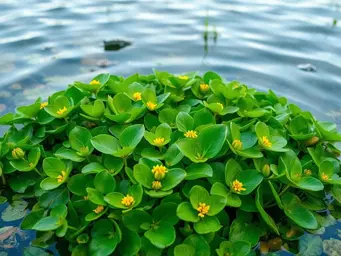
As we delve into the world of Ludwigia peploides, commonly known as creeping water primrose, it’s essential to recognize its role as both a botanical curiosity and a significant threat to our aquatic ecosystems. This perennial herb thrives in shallow waters, forming dense mats that can overpower native flora. Its rapid spread often leads to reduced biodiversity and altered habitat conditions, making it a prime focus for ecologists and environmental managers alike. Have you encountered this plant in your local wetlands?
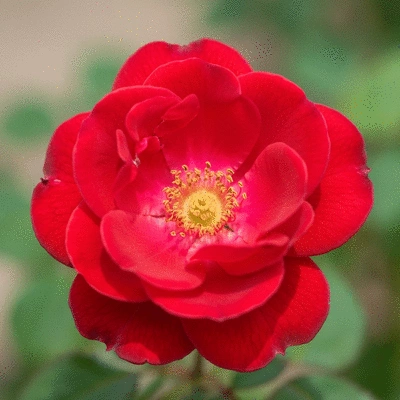
Creeping water primrose isn't just another plant in the landscape; its invasive tendencies can drastically shift the ecological balance. By monopolizing resources such as sunlight and nutrients, it can outcompete native species, leading to a decline in overall plant diversity. Understanding its biology and impacts is crucial for effective management and restoration efforts.
Ludwigia peploides is native to South America but has made its way to various parts of North America and beyond. Its ability to thrive in diverse aquatic habitats—including marshes, lakes, and rivers—makes it a resilient invader. When this plant establishes itself in a new environment, it often leads to a host of ecological issues. The New York State Department of Environmental Conservation provides valuable insights into managing invasive aquatic plants like Ludwigia peploides, outlining strategies for control and restoration.
This combination of characteristics contributes to its status as an invasive species, underscoring the need for comprehensive management strategies to mitigate its impacts.
The spread of Ludwigia peploides can create a cascade of ecological consequences. As it proliferates, it can reduce the abundance of native plants, which play vital roles in maintaining local ecosystems. The loss of these native species can disrupt food webs and habitat structures, ultimately affecting wildlife populations. Have you noticed changes in your local wetland ecosystem?
Recognizing these impacts is critical for anyone involved in managing aquatic habitats. By understanding how Ludwigia peploides affects ecosystems, land managers can devise better strategies to combat its spread. For instance, the Benton Soil and Water Conservation District's monitoring summary offers a practical example of evaluating invasive species management.
Invasive species like Ludwigia peploides often play a disruptive role in wetland ecosystems. They can outcompete native flora, leading to ecological homogenization—where diverse habitats become dominated by a few species. This shift not only impacts plant diversity but also alters the overall health of wetland systems.
It's clear that understanding the role of invasive species like Ludwigia peploides is vital for anyone interested in preserving the integrity of wetland ecosystems. By sharing insights and experiences, we can collectively work towards effective management strategies that foster ecological health and biodiversity.
Have you encountered Ludwigia peploides in your local wetlands? Share your experiences or observations about its impact on your local aquatic ecosystem:

As we navigate the challenges posed by Ludwigia peploides, it's essential to take a step back and recapture the best practices in monitoring this invasive species. By implementing a structured approach, we can effectively track its spread and mitigate its impacts on our aquatic ecosystems. Here’s a recap of the most effective strategies:
These strategies not only enhance our understanding of Ludwigia peploides but also empower ecologists, land managers, and communities to take action. For example, the New York State Department of Environmental Conservation highlights various control projects that offer practical insights into managing aquatic invasive species. It's a journey that requires collaboration and commitment!
Community involvement is vital in the fight against invasive species like Ludwigia peploides. Engaging local residents, students, and volunteers can dramatically increase the reach and effectiveness of monitoring programs. Here are several ways communities can contribute:
By actively participating in these efforts, communities not only contribute to ecological health but also develop a sense of ownership and pride in their local environments. Have you considered how your community can join the effort?
Another critical aspect of effective monitoring and evaluation is the development of sound policies that support sustainable invasive species management. These policies should include:
By advocating for these policies, we can lay the groundwork for long-term solutions to the challenges posed by invasive species. It’s time to take a proactive stance!
Here is a quick recap of the important points discussed in the article:
Monitoring Ludwigia Peploides Spread Strategies
As the battle against invasive species intensifies, understanding their impact on ecosystems becomes
Ludwigia peploides: Water and Stress
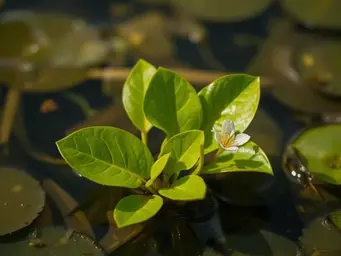
Consider this: a single aquatic plant can transform an entire ecosystem. Understanding the complexit
Disposing of Ludwigia Peploides Safely
As we delve into the complexities of managing invasive species, consider this: did you know that a s
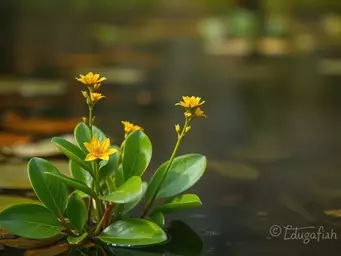
Monitoring Ludwigia Peploides Spread Strategies
Ludwigia peploides: Water and Stress
Disposing of Ludwigia Peploides Safely
Ecological Risks of Ludwigia Peploides
Ludwigia Species Identification Guide