
Allelopathic Interactions
Ludwigia peploides releases chemicals that actively inhibit the growth of native plant species, disrupting local flora.
![Allelopathic Effects of Ludwigia peploides: How Chemical Compounds Impact Native Ecosystems[1]](https://ludwigiapeploides.com/img/aFXu0pNoaQ-UL_IMAGEMCorVb.webp)
Have you considered how a single plant species can transform the ecological landscape of its habitat? The story of Ludwigia peploides, or creeping water primrose, illustrates the profound impact of allelopathy on native ecosystems. Understanding these dynamics is crucial for effective ecological management.
This visual outlines the key impacts of Ludwigia peploides (creeping water primrose) on native ecosystems, focusing on allelopathic effects and broader ecological consequences.
Ludwigia peploides releases chemicals that actively inhibit the growth of native plant species, disrupting local flora.
Alters water quality, affecting dissolved oxygen levels and nutrient cycling, crucial for aquatic life.
Dominance reduces habitat diversity, negatively impacting various aquatic organisms and ecosystem balance.
As we dive into the fascinating world of allelopathy, it’s essential to understand its role in shaping ecosystem dynamics. Allelopathy refers to the chemical interactions between plants, where one species can inhibit or promote the growth of another. This phenomenon plays a significant part in maintaining the balance of native ecosystems, particularly in areas impacted by invasive species like Ludwigia peploides, commonly known as creeping water primrose.
When we discuss the implications of allelopathy, we must recognize its potential to disrupt established ecosystems. Invasive plants can release allelochemicals that affect the growth and survival of native flora, ultimately altering community structures and biodiversity. Have you ever wondered how these chemical interactions influence the health of our wetlands? Let's explore further!
At its core, allelopathy is a biological phenomenon where plants release chemicals into the environment, influencing the growth and behavior of neighboring plants. These chemicals, known as allelochemicals, can have various effects—ranging from promoting growth in some species to inhibiting it in others. This complex interaction is an essential part of plant competition and community dynamics.
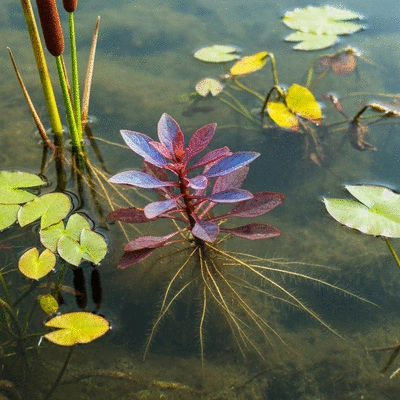
In terms of practical application, understanding allelopathy can guide us in managing invasive species. For instance, comprehending how Ludwigia peploides behaves in its environment allows ecologists and land managers to develop more effective strategies for controlling its spread and mitigating its adverse effects on native species. The U.S. Fish and Wildlife Service provides an ecological risk screening summary for species like floating primrose-willow, highlighting the importance of such assessments.
Allelopathy is significant because it not only influences plant competition but also affects entire ecosystems. Here are a few reasons why understanding this concept is crucial:
As we reflect on these points, it becomes clear that allelopathy is not just a botanical curiosity—it’s a vital aspect of ecosystem health that we must address in our management practices.
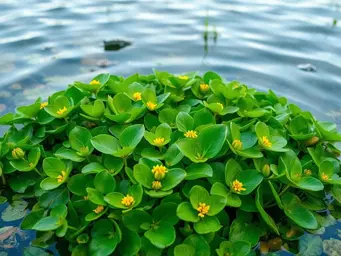
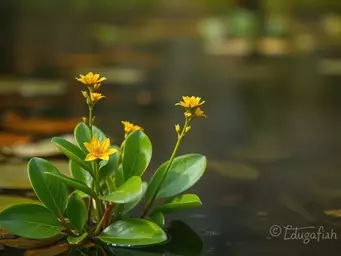
Ludwigia peploides is easily recognizable due to its distinct yellow flowers and sprawling growth habit. This perennial herb thrives in shallow, wet environments, often creating dense mats that can outcompete native plants. You can find it across various regions, particularly in freshwater systems like ponds and marshes. Its ability to adapt to diverse habitats has contributed to its classification as an invasive species in many areas. The California Invasive Plant Council offers a detailed profile of Ludwigia peploides, including identification tips and distribution maps.
For those looking to identify this plant, key characteristics include its oval-shaped leaves and the clusters of yellow blooms that emerge during the growing season. Being able to identify Ludwigia peploides is crucial for anyone involved in ecological management.
This species prefers warm, shallow waters and can thrive in nutrient-rich environments. Understanding its ecological niche helps us appreciate how it interacts with other species and the resources it utilizes. For example, creeping water primrose can rapidly proliferate in areas with low competition, leading to significant shifts in local ecosystems.
What conditions favor its growth? Factors include:
Recognizing these growth conditions is essential for effective management strategies aimed at controlling its spread.
Ludwigia peploides plays a dual role in its ecosystem. On one hand, it provides habitat for certain aquatic organisms; on the other, it can severely disrupt existing habitats by outcompeting native species for resources.
This plant’s ability to form dense mats not only shades out native flora but also alters water flow and quality. By examining its role in aquatic ecosystems, we can better understand the broader implications of its invasion. Are you involved in local conservation efforts? Your insights could significantly contribute to our understanding of Ludwigia peploides and its impact on biodiversity!
Here's a brief recap of the key points discussed so far:
As we explore the complexities of Ludwigia peploides, it becomes essential to summarize its impacts, especially in terms of allelopathic effects on native ecosystems. Understanding these effects helps us grasp the broader ecological implications and guides us in developing effective management strategies. Let’s delve into the key takeaways that emerge from the research.
First and foremost, recognizing the significance of allelopathy is crucial in our efforts to manage invasive species like Ludwigia peploides. Allelopathy can disrupt the delicate balance of native ecosystems, leading to diminished biodiversity and altered habitat conditions. Here are some key points to consider:
By understanding these factors, we can better appreciate the importance of biodiversity and strive for healthier aquatic ecosystems. The implications for water quality management also become clearer as we recognize the role of allelopathic effects in shaping community structure.
Understanding allelopathy is essential not just for ecologists but for anyone involved in land or resource management. By grasping how invasive species like Ludwigia peploides interact chemically with their environment, we can develop more effective strategies for restoration and management. It’s about fostering a better relationship between human activities and the ecosystems we rely on!
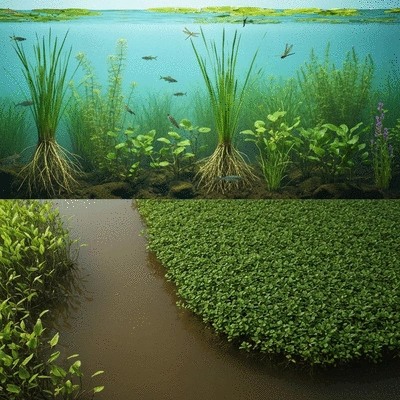
The implications extend beyond immediate plant competition; they influence water quality and overall ecosystem health. When Ludwigia peploides proliferates, it can lead to:
By addressing these challenges, we can enhance biodiversity and improve water quality in our local environments. It's a collective effort that requires awareness and proactive management!
As I’ve seen through my work at the Ludwigia Peploides Resource Center, evaluating the environmental impact of Ludwigia peploides is essential for creating effective management plans. We need to consider how its allelopathic effects not only impact native plants but also alter aquatic habitats and the organisms that depend on them. This understanding is critical in our fight against invasive species. The New York State Department of Environmental Conservation provides information on various control projects for aquatic invasive species, demonstrating ongoing efforts to mitigate such impacts.
To tackle the challenges posed by Ludwigia peploides and similar invasive species, engaging with the research and management communities is vital. Collaboration across various fields can foster innovative solutions and restoration techniques.
Working together provides an opportunity to share insights and strategies that can lead to effective ecosystem management. Here are ways to foster collaboration:
By opening lines of communication, we can strengthen our collective efforts and enhance our understanding of ecosystem dynamics.
There are numerous resources available for those interested in learning more about managing Ludwigia peploides and its impacts. I encourage you to explore the following:
By engaging with these resources, you can contribute to the ongoing effort to manage invasive species and promote ecological health! Remember, every bit of knowledge and action counts in creating a more balanced ecosystem.
Allelopathy is a biological phenomenon where plants release chemicals into the environment that can influence the growth and behavior of neighboring plants, either inhibiting or promoting their development.
Ludwigia peploides, or creeping water primrose, impacts native ecosystems primarily through allelopathy, releasing chemicals that inhibit the growth of native plants. It also alters water quality, reduces habitat diversity, and contributes to biodiversity loss by outcompeting native species.
Understanding allelopathy is crucial for effective ecological management because it helps explain how invasive species like Ludwigia peploides disrupt native plant communities. This knowledge allows ecologists and land managers to develop better strategies for controlling invasive species and restoring ecosystem health.
Key ecological consequences include diminished biodiversity, altered nutrient cycling, changes in water quality (such as dissolved oxygen levels), and reduced light penetration for submerged plants due to dense mats formed by the invasive species.
Communities can contribute by participating in local conservation initiatives, connecting with researchers and land managers, sharing knowledge, and exploring resources on invasive species management. Collaborative efforts are essential for developing and implementing effective solutions.
Here is a quick recap of the important points discussed in the article:
Monitoring Ludwigia Peploides Spread Strategies
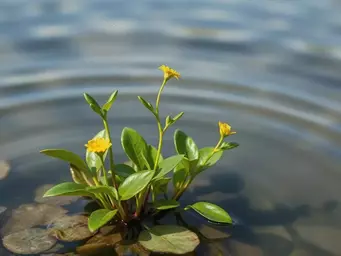
As the battle against invasive species intensifies, understanding their impact on ecosystems becomes
Ludwigia peploides: Water and Stress
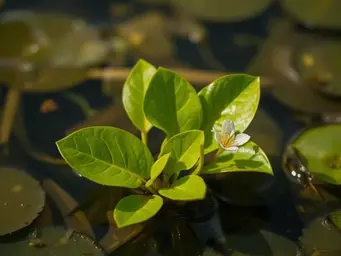
Consider this: a single aquatic plant can transform an entire ecosystem. Understanding the complexit
Disposing of Ludwigia Peploides Safely
As we delve into the complexities of managing invasive species, consider this: did you know that a s
Monitoring Ludwigia Peploides Spread Strategies
Ludwigia peploides: Water and Stress
Disposing of Ludwigia Peploides Safely
Ecological Risks of Ludwigia Peploides
Ludwigia Species Identification Guide