
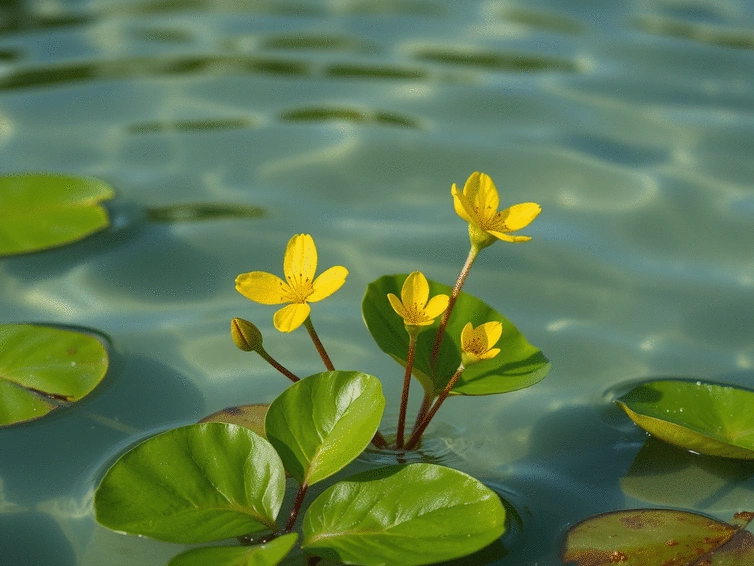
Fitness Traits in Ludwigia Populations
What if a single plant species held the key to understanding complex ecological dynamics? The creeping water primrose, or Ludwigia peploides, is not just an invasive plant; it's a vital piece of the ecological puzzle. By delving into its functional traits and fitness variations, we can unlock essential insights for better management and conservation strategies.
What You Will Learn
- Functional traits are crucial for understanding how Ludwigia peploides adapts to varying environmental conditions.
- Fitness variation influences reproductive success and survival in different habitats.
- Key traits such as resource use efficiency and growth rates determine competitive advantages among aquatic plants.
- Management strategies, including mechanical removal and native species restoration, are vital for controlling invasive populations.
- Ongoing research into the phenotypic variation of Ludwigia peploides can enhance our understanding of its ecological impacts.
Key Factors Influencing Ludwigia peploides Fitness and Management
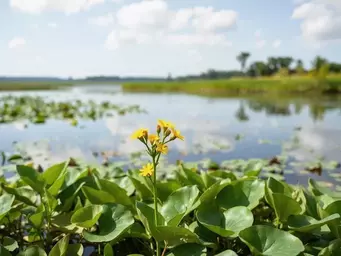
Understanding the functional traits and variations in Ludwigia peploides is crucial for effective ecological management. This visual highlights key aspects:
Understanding Functional Traits in Ludwigia peploides Populations
When we dive into the world of Ludwigia peploides, also known as creeping water primrose, understanding its functional traits becomes essential. These traits shed light on how this remarkable aquatic plant interacts with its environment and influences ecosystem dynamics. By exploring functional traits, we can better grasp the ecological roles of Ludwigia peploides and its impact on biodiversity.
Functional traits encompass various characteristics that determine how organisms survive and reproduce in their environments. In our research at the Ludwigia Peploides Resource Center, we emphasize the importance of these traits for effective species management and ecological health. Have you ever wondered how a plant's unique characteristics help it thrive in challenging habitats? Let's explore this together!
The Importance of Functional Traits in Ecological Research
Functional traits are essential for understanding how species respond to environmental changes. They can provide insights into how organisms like Ludwigia peploides adapt to different conditions and compete with native plants. By analyzing these traits, we can identify factors that contribute to the success or failure of a species in a given habitat.
- Competitive Advantage: Plants with superior functional traits can outcompete others for resources.
- Adaptation Mechanisms: Understanding traits helps us uncover how plants adapt to stressors like flooding or drought.
- Ecological Interactions: Traits influence interactions among species, impacting community structure. For example, research published by JSTOR highlights the role of functional traits in driving plant community assembly.
At the U.S. Fish and Wildlife Service, and similar resource centers, we strive to provide ecologists and land managers with the tools they need to assess functional traits effectively. This understanding is crucial for managing invasive species and ensuring ecological balance.
What Defines Fitness Variation in Aquatic Plants?
Fitness variation refers to the differences in reproductive success among individuals within a population. For aquatic plants like Ludwigia peploides, factors influencing fitness can include environmental conditions, resource availability, and genetic diversity. By examining these variations, we can identify traits that enhance survival and reproduction.
- Resource Use Efficiency: How well a plant uses water and nutrients can impact its fitness.
- Growth Rates: Faster-growing individuals may outcompete slower ones.
- Reproductive Strategies: The timing and method of reproduction can influence population dynamics. Studies, such as those found on Google Scholar, delve into the specific fitness traits of invasive Ludwigia species.
Understanding these aspects of fitness variation allows us to develop more effective management strategies. For instance, recognizing which traits contribute to success in specific environments can guide restoration efforts.
Investigating Phenotypic Variation in Ludwigia peploides
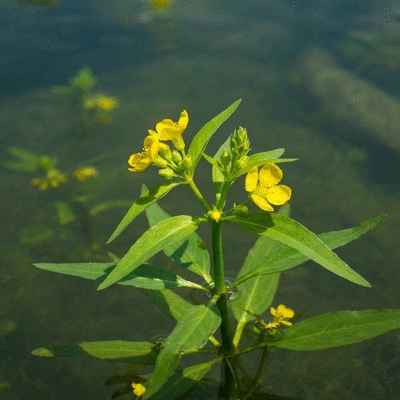
Pursuing research on phenotypic variation in Ludwigia peploides is crucial for understanding its invasive nature. Phenotypic variation refers to the observable differences in traits among individuals. These differences can be influenced by genetics as well as environmental factors.
- Leaf Morphology: Variations in leaf shape and size can affect light capture and photosynthesis.
- Flowering Patterns: Differences in flowering time can influence reproductive success in varying climates.
- Growth Form: The way the plant grows (e.g., sprawling vs. upright) can impact its ability to compete with other species.
Through our comprehensive studies, we aim to document these variations and their implications for Ludwigia peploides management. Have you observed any unique traits in your local populations? Sharing your observations can enrich our understanding of this species!
We Want to Hear From You!
As we explore the fascinating traits of Ludwigia peploides, we’d love to know your thoughts! What unique traits have you noticed in local populations of this aquatic plant? Share your observations and experiences with us:
Summarizing Key Insights on Functional Traits and Fitness Variation
Understanding the functional traits and fitness variation of Ludwigia peploides is essential for effective management and conservation strategies. As the Ludwigia Peploides Resource Center, we strive to distill complex ecological insights into accessible information for researchers and land managers. Here, I want to highlight some key takeaways from our explorations of this invasive species.
- Functional traits play a critical role in how Ludwigia peploides adapts to various environmental conditions.
- Fitness variation among populations can substantially impact their success in different climates.
- Understanding these dynamics is vital for developing management strategies to control this invasive plant.
These insights underscore the need for ongoing research into the ecological roles of Ludwigia peploides. By fostering a deeper understanding, we can better combat its negative impacts on aquatic ecosystems while promoting biodiversity.
Implications for Future Research in Aquatic Ecology
The implications of these findings extend far beyond the study of Ludwigia peploides itself. They highlight the necessity for future research to focus on several key areas:
- Investigating how climate change will further affect functional traits in aquatic plants.
- Examining the interactions between Ludwigia peploides and native species under varying environmental pressures.
- Exploring genetic adaptations that may arise in response to changing climates.
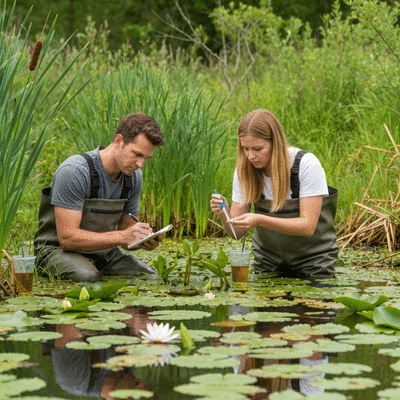
As we continue our research, I invite fellow ecologists and land managers to collaborate. By pooling our knowledge and resources, we can develop effective strategies that not only address the challenges posed by Ludwigia peploides but also enhance our understanding of aquatic ecosystems as a whole.
Management Strategies for Invasive Ludwigia peploides Populations
Effective management of Ludwigia peploides requires a multifaceted approach. Through our center's research, we have identified several strategies that land managers can employ:
- Mechanical removal methods, such as cutting and harvesting, can help manage overgrowth.
- Careful herbicide application may be necessary to ensure control over large infestations.
- Restoration of native plant species is critical to re-establishing ecological balance. For further guidance, resources from educational institutions like UCANR provide valuable insights into managing Ludwigia peploides.
Implementing these strategies can mitigate the impact of Ludwigia peploides on local ecosystems. I encourage land managers to use our resources at the Ludwigia Peploides Resource Center for guidance on these methods and to stay informed about effective practices in invasive species management.
Engaging with the Scientific Community
FAQs: Understanding Ludwigia peploides and Its Ecological Impact
As we progress in our research, many questions arise regarding the impact of Ludwigia peploides. Here are some frequently asked questions that we encounter, covering the main points discussed in this article:
- What are functional traits and why are they important for understanding Ludwigia peploides? Functional traits are characteristics that determine how an organism survives and reproduces. For Ludwigia peploides, understanding these traits (like growth rate or resource use efficiency) helps us comprehend its adaptability and competitive advantage in various environments.
- How does fitness variation influence the spread of Ludwigia peploides? Fitness variation refers to differences in reproductive success among individuals. High fitness allows Ludwigia peploides to rapidly reproduce and spread, especially in environments where its traits (e.g., efficient nutrient uptake) give it an advantage over native species.
- What is phenotypic variation and how does it affect Ludwigia peploides management? Phenotypic variation includes observable differences in traits (like leaf shape or flowering patterns) influenced by genetics and environment. Recognizing these variations helps tailor management strategies, as different phenotypes might respond differently to control methods in various habitats.
- What are the key management strategies for controlling invasive Ludwigia peploides? Effective strategies include mechanical removal (cutting and harvesting), targeted herbicide application for large infestations, and restoring native plant species to re-establish ecological balance and competition.
- Can Ludwigia peploides provide any ecosystem services despite being invasive? While primarily invasive, Ludwigia peploides can offer some ecosystem services, such as providing habitat for certain aquatic organisms, stabilizing sediment in wetlands, and influencing nutrient cycling. However, these benefits are often outweighed by its negative impacts on native biodiversity.
How to Stay Updated on Ongoing Research and Findings
Staying informed about the latest research is crucial for anyone involved in aquatic ecology. Here are some ways you can keep up with developments:
- Subscribe to the Ludwigia Peploides Resource Center's newsletter for updates on new research and resources.
- Engage with our community through social media platforms where we share insights and findings.
- Attend relevant conferences and workshops to network with fellow researchers and land managers.
By actively participating in the scientific community, we can all contribute to a more comprehensive understanding of Ludwigia peploides and its ecological impacts.
Exploring Ecosystem Services Provided by Ludwigia peploides
While Ludwigia peploides is often viewed through the lens of its invasive characteristics, it is essential to recognize the ecosystem services it can provide:
- It can offer habitat for various aquatic organisms.
- It plays a role in stabilizing sediment in wetland areas.
- Its presence can influence nutrient cycling within aquatic ecosystems.
By understanding both the positive and negative aspects of Ludwigia peploides, we can better formulate management strategies that consider the holistic health of aquatic habitats. I encourage collaboration and discussion in our community to maximize the benefits of our research and address the challenges posed by this species.
Recap of Key Points
Here is a quick recap of the important points discussed in the article:
- Functional traits are crucial for understanding how Ludwigia peploides adapts to various environmental conditions.
- Fitness variation among populations significantly impacts their success in different climates and habitats.
- Key management strategies include mechanical removal, herbicide application, and restoration of native plant species to control invasive populations.
- Ongoing research is essential to understand the ecological roles of Ludwigia peploides and its interactions with native species.
- Engagement with the scientific community is vital for staying updated on research findings and collaborative efforts in managing invasive species.

Fitness Traits in Ludwigia Populations
Managing Ludwigia Peploides in Protected Areas
Restoration Insights After Ludwigia Removal
Factors Influencing Ludwigia Germination
Ludwigia Peploides Eradication Case Studies