
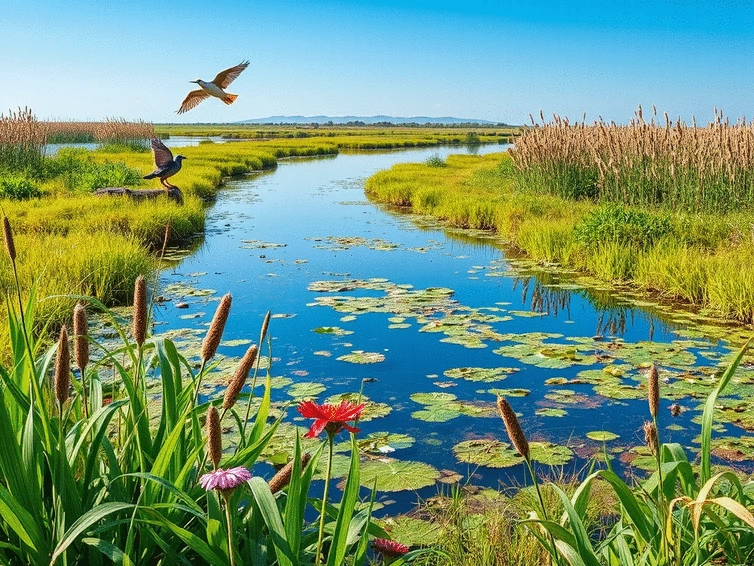
Restoration Insights After Ludwigia Removal
What happens when a single invasive plant species takes over an ecosystem? The story of Ludwigia peploides, or creeping water primrose, reveals significant insights into the balance of aquatic habitats and the urgent need for effective management strategies.
What You Will Learn
- Ludwigia peploides can reproduce rapidly through both seeds and stem fragments, making it a formidable invasive species.
- The proliferation of this plant leads to reduced biodiversity, altering local ecosystems and disrupting food chains.
- Effective management strategies include mechanical removal, careful herbicide application, and the restoration of native plant species.
- Healthy aquatic ecosystems with diverse plant life and natural predators can naturally resist invasions, underscoring the importance of ecosystem health.
- Post-removal ecological restoration involves reestablishing native species, improving soil health, and monitoring water quality to ensure a thriving habitat.
Understanding the Lifecycle and Impact of Ludwigia Peploides
This visual summarizes key characteristics, ecological impacts, and management strategies for the invasive Ludwigia peploides, highlighting critical stages and necessary interventions.
Fast Growth & High Reproduction
- Rapid proliferation, covering large areas.
- Produces numerous seeds.
- Propagates through stem fragments.
Adaptability & Ecosystem Domination
- Thrives in various water conditions.
- Forms dense mats on water surface.
- Outcompetes native flora for resources.
Profound Ecological Impacts
- Reduced biodiversity of native species.
- Altered habitat structures.
- Disruption of aquatic food chains.
Key Management Strategies
- Mechanical removal for small areas.
- Herbicide application for large infestations.
- Restoration of native species post-removal.
Ecological Restoration Process
- Reestablishing native plant communities.
- Improving soil health.
- Monitoring water quality.
Evaluating Ecosystem Recovery
- Diversity of plant species.
- Population stability of animal species.
- Improvements in water quality.
Understanding Ludwigia Peploides and Its Ecological Impact
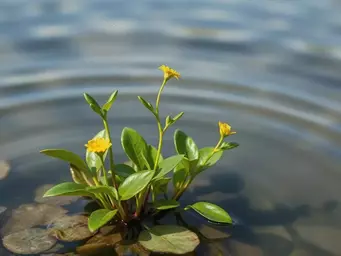
When we talk about Ludwigia peploides, commonly known as creeping water primrose, it’s critical to understand its role as an invasive species. This perennial plant thrives in wetland ecosystems, where it can quickly proliferate, often outcompeting native flora. As someone who has studied this species extensively, I can tell you that its rapid spread is not just a botanical concern; it poses significant challenges to the biodiversity of aquatic habitats.
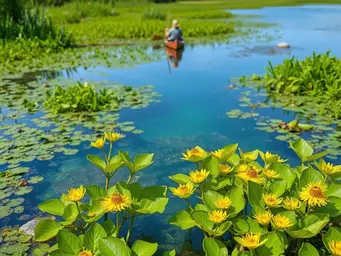
Ludwigia peploides is notorious for forming dense mats on the surface of water bodies, which can block sunlight from reaching submerged plants. This competitive advantage allows it to dominate, pushing out local species that are crucial for maintaining ecosystem balance. Have you observed this phenomenon in your own local waterways? Sharing your experiences can shed light on the broader implications of this plant's spread.
Overview of Ludwigia Peploides as an Invasive Species
Understanding the biology of Ludwigia peploides is the first step in grasping its invasive nature. This species can reproduce both sexually and asexually, leading to rapid population increases. Here are some key characteristics that make it particularly troublesome:
- Fast Growth: It can grow quickly, covering large areas of water in a short period.
- High Reproductive Rate: It produces numerous seeds and can also propagate through stem fragments.
- Adaptability: It thrives in various water conditions, making it difficult to control.
As we study invasive species management, it’s important to focus on early detection and rapid response to prevent the spread of Ludwigia peploides. Effective management begins with understanding these characteristics.
The Ecological Consequences of Ludwigia Peploides Proliferation
The ecological consequences of Ludwigia peploides proliferation are profound and troubling. When this invasive species takes hold, it can lead to a series of negative impacts on local ecosystems:
- Reduced Biodiversity: As it outcompetes native plants, the overall biodiversity of the area declines.
- Altered Habitat Structures: The dense mats can change water flow and sediment deposition patterns.
- Disruption of Food Chains: Native aquatic species may struggle to thrive as their habitats are compromised.
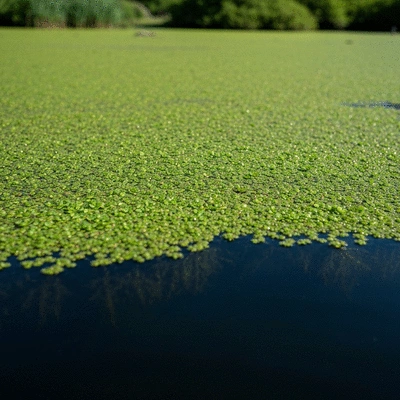
In my research, I’ve seen firsthand how these changes can ripple through the ecosystem, affecting everything from fish populations to water quality. It’s a cycle that we need to address in order to restore ecological balance.
Management Strategies: Why Removal is Necessary
Understanding why we need to remove Ludwigia peploides is crucial for effective management. This invasive plant’s aggressive nature means that if left unchecked, it can dominate entire ecosystems. Here are some common management strategies:
- Mechanical Removal: Physically removing the plant can be effective, especially in small areas.
- Herbicide Application: Chemical treatments may be necessary in larger infestations, but they require careful application to minimize damage to surrounding flora.
- Restoration of Native Species: Post-removal, reintroducing native plants can help restore ecological balance.
Each strategy has its benefits and drawbacks, and it’s often necessary to combine methods for the best results. My experience has taught me that community engagement in these efforts is vital, as local knowledge and participation can significantly enhance effectiveness.
The Role of Aquatic Ecosystems in Controlling Invasive Species
Aquatic ecosystems play a crucial role in controlling invasive species like Ludwigia peploides. Healthy ecosystems can resist invasion through various natural checks and balances. Here are a few roles they play:
- Diverse Plant Life: A variety of native plants can compete effectively against invasives.
- Natural Predators: Certain aquatic organisms feed on invasive species, helping to keep their populations in check.
- Water Quality Maintenance: Healthy ecosystems promote better water quality, which can inhibit invasive plant growth.
Recognizing these roles allows us to better understand how we can harness natural processes to combat the threats posed by invasive species. Engaging in practices that support ecosystem health is an essential part of our mission at the Ludwigia Peploides Resource Center.
Pro Tip
When managing Ludwigia peploides, consider implementing a combination of mechanical removal and native species restoration. This not only helps in effectively controlling the invasive plant but also promotes biodiversity, creating a more resilient ecosystem. Engaging local communities in these efforts can significantly enhance the success of your strategies!
Ecological Restoration Post-Removal: Key Considerations
After tackling the invasive Ludwigia peploides, ecological restoration becomes essential. This phase is crucial for ensuring that the ecosystem can recover and thrive again. Have you ever wondered what it takes to restore an environment once invasive species have been removed? Let’s explore this together!
Ecological restoration not only involves reintroducing native species, but also entails a thorough understanding of the ecosystem dynamics at play. In this section, I’ll break down the critical components necessary for successful restoration efforts.
What Does Ecological Restoration Involve After Invasive Removal?
Once the invasive Ludwigia peploides has been effectively removed, the focus shifts to restoring the natural habitat. This process typically includes:
- Reestablishing native plant communities to promote biodiversity.
- Improving soil health to support new plant life.
- Monitoring water quality to ensure a suitable environment for aquatic species.
- Implementing erosion control measures to protect fragile ecosystems.
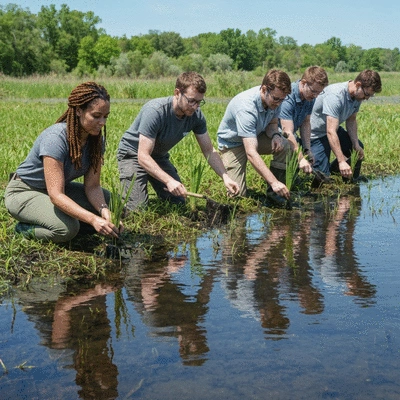
Each of these steps plays a significant role in not just reviving the ecosystem but also in preventing the re-infestation of invasive species. The goal is to create a balanced habitat where native flora and fauna can flourish once more. You can learn more about wetland restoration efforts and their importance in maintaining ecological balance.
Evaluating Ecosystem Recovery: Metrics and Indicators
How do we know if our restoration efforts are successful? Evaluating the recovery of an ecosystem involves specific metrics and indicators. Some key aspects to consider include:
- Diversity of plant species—measuring the variety of native species present.
- Population stability of key animal species that rely on native plants.
- Improvements in water quality indicators such as dissolved oxygen levels.
- Soil health metrics including organic matter content and nutrient levels.
By closely monitoring these indicators, we can assess the effectiveness of our restoration strategies and make necessary adjustments along the way. Do you have any specific metrics you’ve found useful in your own projects? The EPA provides extensive resources on wetland restoration and protection, including methods for evaluating ecosystem health.
Restoration Techniques for Enhancing Biodiversity and Ecosystem Resilience
Restoration techniques are vital for helping ecosystems bounce back. Some effective methods include:
- Planting native species that are specifically suited to the local environment.
- Creating buffer zones to protect sensitive areas from future invasions.
- Employing sustainable land management practices to prevent erosion and degradation.
- Engaging in community-based monitoring to involve local stakeholders in the recovery process.
By incorporating these techniques, we can enhance biodiversity and build resilience against future invasions of Ludwigia peploides and other harmful species. What techniques have you or your organization implemented with success?
Case Studies: Real-Life Examples of Successful Restoration
Now that we’ve covered the foundational aspects of ecological restoration, it’s time to dive into some real-life examples that illustrate these concepts in action. Case studies offer invaluable insights and help us learn from both successes and challenges faced during restoration projects.
As we explore these case studies together, I hope you’ll find inspiration and practical knowledge that you can apply to your own restoration efforts!
Frequently Asked Questions about Ludwigia Peploides and Ecological Restoration
- Q1: What is Ludwigia peploides and why is it considered an invasive species?
- A1: Ludwigia peploides, or creeping water primrose, is a perennial plant that rapidly proliferates in wetland ecosystems. It's invasive because it outcompetes native flora, forms dense mats that block sunlight, reduces biodiversity, and disrupts aquatic food chains.
- Q2: How does Ludwigia peploides reproduce and spread so quickly?
- A2: This species has a high reproductive rate, producing numerous seeds. It also propagates easily through stem fragments, allowing it to cover large areas of water in a short period and adapt to various water conditions.
- Q3: What are the main ecological impacts of Ludwigia peploides infestations?
- A3: The main impacts include reduced biodiversity as it outcompetes native plants, altered habitat structures due to dense mats, and disruption of food chains affecting native aquatic species.
- Q4: What are the primary management strategies for controlling Ludwigia peploides?
- A4: Key strategies include mechanical removal for smaller areas, careful herbicide application for larger infestations, and the restoration of native species post-removal to help re-establish ecological balance.
- Q5: What is involved in ecological restoration after Ludwigia peploides removal?
- A5: Ecological restoration involves reestablishing native plant communities, improving soil health, monitoring water quality, and implementing erosion control measures. The goal is to create a balanced habitat resilient to future invasions.
- Q6: How can the success of ecological restoration efforts be evaluated?
- A6: Success is evaluated by metrics such as the diversity of native plant species, the population stability of key animal species that rely on native plants, improvements in water quality indicators (e.g., dissolved oxygen levels), and soil health metrics (e.g., organic matter content).
Recap of Key Points
Here is a quick recap of the important points discussed in the article:
- Ludwigia peploides is an invasive species that can rapidly outcompete native flora in wetland ecosystems.
- The plant's fast growth and high reproductive rate contribute to its dominance, leading to reduced biodiversity and disrupted food chains.
- Effective management strategies include mechanical removal, herbicide application, and the restoration of native species post-removal.
- Healthy aquatic ecosystems can help control invasives through diverse plant life and natural predators.
- Ecological restoration is essential after invasive removal, focusing on reestablishing native plant communities and monitoring ecosystem health.
Restoration Insights After Ludwigia Removal
Factors Influencing Ludwigia Germination
Ludwigia Peploides Eradication Case Studies
Monitoring Ludwigia Peploides Spread Strategies
Ludwigia peploides: Water and Stress