Welcome to Ludwigia Peploides Resource Center. Explore expert insights, management strategies, and educational materials on this invasive aquatic plant.
The impact of invasive species on aquatic ecosystems is more significant than many realize. As we confront the challenges posed by plants like Ludwigia peploides, understanding their behavior and effects becomes essential for effective management.
What You Will Learn
Ludwigia peploides is a highly invasive aquatic plant that disrupts native biodiversity and water quality.
Effective identification of this species is crucial for land managers and ecologists to control its spread.
Eradication efforts must focus on measurable success metrics, such as coverage reduction and biodiversity restoration.
Community involvement plays a key role in the success of management strategies against invasive species.
Learning from past failures—such as insufficient monitoring and lack of stakeholder engagement—can improve future eradication projects.
Eradication Success & Challenges for Ludwigia peploides
Monitoring the efforts to control Ludwigia peploides reveals both significant achievements and areas for improvement. The key metrics below highlight how we track progress.
Quantified Success Stories
✓
Coverage Reduction: Primary indicator (e.g., 86% reduction in Peconic River project).
✓
Biodiversity Restoration: Monitoring return of native plant species.
✓
Water Quality: Assessing clarity, nutrient levels, and ecosystem health.
Lessons from Challenges
✗
Insufficient Monitoring: Lack of follow-up leads to resurgence.
✗
Community Resistance: Hinders success when local stakeholders aren't involved.
✗
Resource Limitations: Insufficient funding and manpower restrict scope.
Understanding Ludwigia peploides and Its Impact on North American Ecosystems
As an ecologist with a deep passion for managing aquatic ecosystems, I find Ludwigia peploides, commonly known as creeping water primrose, to be both fascinating and concerning. This perennial herb thrives in shallow waters, forming sprawling mats that can significantly alter the ecological balance of its surroundings. Understanding this plant is crucial for effective management and restoration efforts in our wetlands.
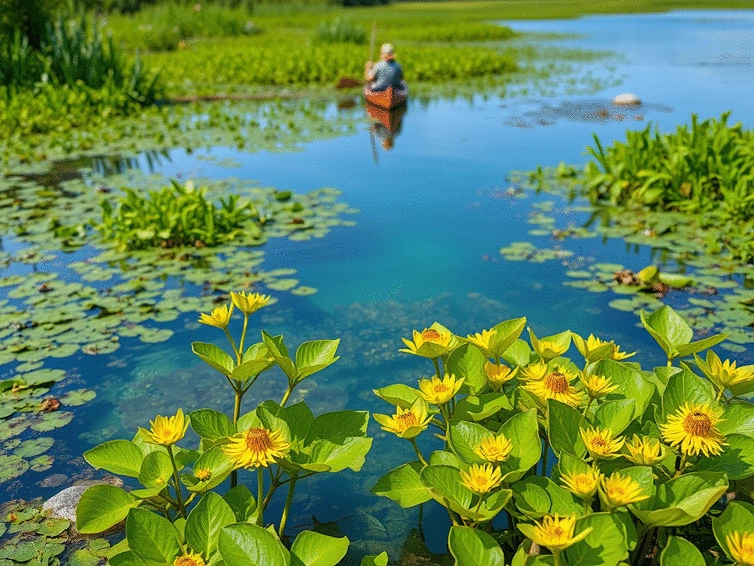
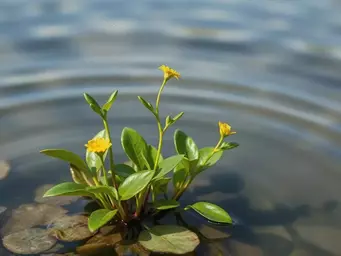
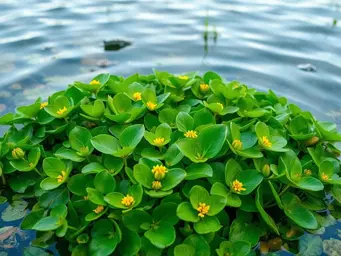
First, it's important to note that Ludwigia peploides is native to the southeastern United States and has spread to various regions across North America. Its vibrant yellow flowers and lush green leaves may initially appear attractive, but they mask a deeper ecological threat that impacts native biodiversity and water quality. For a detailed ecological risk assessment, you can refer to this Ecological Risk Screening Summary by the U.S. Fish and Wildlife Service.
What is Ludwigia peploides?
Ludwigia peploides is a floating aquatic plant that can cover large areas of water bodies, outcompeting native species for resources such as light, nutrients, and space. Its rapid growth and ability to reproduce both sexually and asexually make it highly invasive. Here are some key characteristics:
Growth Habit: Forms dense mats on the water surface.
Reproduction: Capable of reproducing through seeds and stem fragments.
Habitat Preference: Thrives in shallow, slow-moving waters, such as ponds and wetlands.
Recognizing the identification features of Ludwigia peploides is essential for anyone involved in land management or ecological research. By mastering identification, we can better control its spread and mitigate its impacts on native ecosystems. More information on its identification and management can be found in technical reports like the one published by the U.S. Army Corps of Engineers.
The Ecological Threat of Floating Water Primrose
As Ludwigia peploides expands its range, it poses significant threats to aquatic ecosystems. This invasive plant can drastically alter habitats by overshadowing native flora and disrupting food webs. Have you ever noticed a decline in local biodiversity? This might be tied to the encroachment of species like Ludwigia peploides.
Loss of Biodiversity: Native species struggle to compete for resources.
Altered Hydrology: Changes in water flow and quality can occur.
Impacts on Wildlife: Reduced habitat for fish and other aquatic organisms.
As we work to manage these impacts, it's vital to understand how Ludwigia peploides functions within its ecosystem and the broader implications of its invasive presence.
The Role of Invasive Species in Aquatic Ecosystems
Invasive species are often viewed as a threat to biodiversity and ecosystem stability. Understanding their role is key to effective management. As an ecologist, I emphasize the importance of recognizing how these species interact with their environments. Here’s what to consider:
Competition: Invasive species often outcompete native species for critical resources.
Disruption: They can disrupt established food webs and ecological processes.
Economic Impact: Control efforts can be costly for local communities and ecosystems.
Addressing the challenges posed by invasive species like Ludwigia peploides requires a multifaceted approach involving continuous monitoring and community engagement. By understanding their role, we can develop more effective strategies for managing and restoring our precious aquatic habitats.
Pro Tip
To effectively manage Ludwigia peploides, consider implementing community-driven monitoring programs. Engaging local volunteers not only enhances data collection but also fosters a sense of stewardship towards the environment. This collaborative approach can lead to more sustainable management practices and a stronger commitment to preserving native biodiversity.
Evaluating the Success and Challenges of Ludwigia peploides Eradication
As we dive into the topic of Ludwigia peploides eradication, it's essential to reflect on the success stories and challenges encountered along the way. By examining various projects, we can gain valuable insights into what works and what requires adjustment in our ongoing battle against this invasive species.
In my experience at the Ludwigia Peploides Resource Center, I've seen firsthand how quantifying success is crucial for understanding the efficacy of our efforts. Let's look at metrics that truly matter in assessing the impact of eradication projects.
Quantified Success Stories: Metrics that Matter
Measuring the success of Ludwigia peploides eradication projects involves a range of metrics that reflect environmental improvements. Here are some key success metrics to consider:
Coverage Reduction: A primary indicator of success is the decrease in the area covered by Ludwigia peploides.
Biodiversity Restoration: Monitoring the return of native plant species to the area post-eradication.
Water Quality Improvement: Assessing changes in water clarity, nutrient levels, and overall ecosystem health.
By focusing on these metrics, we can determine how effective our management strategies are and make necessary adjustments. For example, in the Peconic River project, a stunning 86% reduction in coverage was achieved, showcasing the power of targeted herbicide application. Various projects, such as the Ludwigia Control Project in Laguna de Santa Rosa, provide a good example of how such metrics are tracked.
Success Metrics: Measuring Environmental Impact
Beyond coverage reduction, we must also dive into qualitative measures of success. Often, these metrics can tell a richer story about the ecological balance being restored:
Species Richness: Increased variety of aquatic species observed post-eradication.
Habitat Quality: Assessments of wetland health, including structural complexity and food web functionality.
Community Engagement: Levels of local participation in monitoring and conservation efforts.
These qualitative measures highlight the holistic impact of our efforts. When communities come together to engage in these projects, the benefits extend beyond just the immediate environment.
Lessons Learned from Failures: What Can Be Improved?
While there have been great success stories, we must also recognize the challenges faced during eradication efforts. Understanding our failures is vital for future success. Here are some common challenges identified in various case studies:
Insufficient Monitoring: Lack of follow-up assessments can lead to resurgence of Ludwigia peploides.
Community Resistance: Not involving local stakeholders can hinder project success.
Resource Limitations: Insufficient funding and manpower often restrict the scope of eradication efforts.
Each of these challenges offers lessons for future projects. By fostering community involvement and ensuring thorough monitoring, we can improve our methods and achieve better outcomes in our fight against this invasive species.
Frequently Asked Questions About Ludwigia peploides
What is Ludwigia peploides?
Ludwigia peploides, also known as creeping water primrose, is an invasive aquatic plant native to the southeastern United States. It forms dense mats on water surfaces, outcompeting native species and disrupting aquatic ecosystems.
Why is Ludwigia peploides considered a threat?
It is considered a threat because its rapid growth leads to a loss of native biodiversity, alters water flow and quality (hydrology), and negatively impacts local wildlife by reducing essential habitats.
How does Ludwigia peploides reproduce?
This plant is highly invasive due to its ability to reproduce both sexually through seeds and asexually through stem fragments, allowing it to spread rapidly across water bodies.
What are the key metrics for measuring eradication success?
Key metrics include coverage reduction (decrease in the area covered by the plant), biodiversity restoration (return of native species), and water quality improvement (changes in clarity and nutrient levels).
What are the common challenges in eradicating Ludwigia peploides?
Common challenges include insufficient monitoring, which can lead to resurgence; community resistance due to lack of stakeholder involvement; and resource limitations, such as insufficient funding and manpower.
Recap of Key Points
Here is a quick recap of the important points discussed in the article:
Ludwigia peploides is an invasive aquatic plant that can cover large areas, outcompeting native species for resources.
Ecological Threat: Its rapid growth can lead to loss of biodiversity, altered hydrology, and negative impacts on wildlife.
Eradication Success Metrics: Key indicators of success include coverage reduction, biodiversity restoration, and water quality improvement.
Community Engagement: Involving local stakeholders is essential for effective management and restoration efforts.
Challenges Faced: Insufficient monitoring and resource limitations hinder eradication success and require ongoing attention.
At the Ludwigia Peploides Resource Center, we are committed to delivering comprehensive scientific and educational materials. Our mission is to empower ecologists, students, and land managers in controlling invasive species and restoring ecological balance.

Ludwigia Peploides Eradication Case Studies
Monitoring Ludwigia Peploides Spread Strategies
Ludwigia peploides: Water and Stress
Disposing of Ludwigia Peploides Safely
Ecological Risks of Ludwigia Peploides