
Temperature
Optimal Range: 20°C - 30°C.
Impact of Higher Temps: Reduced germination rates and viability. Essential for predicting management timing.
🌡️
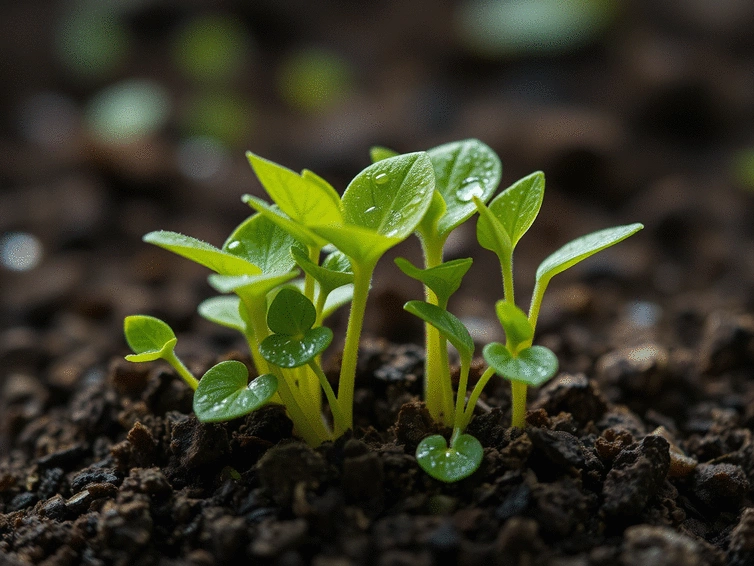
Have you ever wondered how small changes in environmental conditions can impact the growth of an entire plant species? Understanding the intricate process of seed germination in Ludwigia peploides not only sheds light on its growth patterns but also equips land managers with the knowledge to restore affected ecosystems effectively.
Key environmental factors significantly impact the germination success of Ludwigia peploides seeds. Understanding these can inform effective management strategies.
Understanding the seed germination process in Ludwigia peploides, commonly known as creeping water primrose, is vital for effective management and restoration efforts. The conditions influencing this process can significantly affect how well these plants establish in their environments. Let’s dive into the key factors that play a role in seed germination!
This exploration not only aids researchers and ecologists but also empowers land managers to apply these insights in practical settings. Have you ever noticed how different environments seem to influence plant growth? Let's uncover the science behind it.
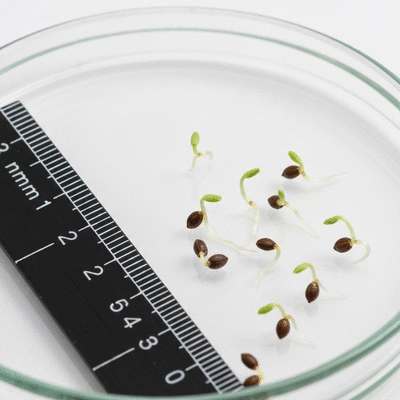
Temperature is a crucial factor influencing germination rates. For Ludwigia peploides, optimal temperatures can greatly enhance seed viability. Research, such as studies found in the Acta Botanica Croatica, shows that seeds exposed to moderate temperatures tend to germinate faster, leading to more successful establishment.
By recognizing the temperature preferences of Ludwigia peploides, we can better plan control efforts. For instance, if we anticipate warmer conditions, it might be necessary to implement management strategies earlier in the season.
Interestingly, the geographic origin of Ludwigia peploides seeds can significantly affect their germination success. For example, seeds sourced from France often exhibit different germination rates compared to those from California. This variation is largely due to the distinct environmental conditions each population has adapted to, as highlighted by research on invasive aquatic plants like Ludwigia grandiflora, which shares similar germination characteristics with L. peploides (Vrije Universiteit Brussel Research Portal).
By considering the geographic provenance of seeds, we can make informed decisions on which populations to utilize for restoration or management efforts. This is a vital aspect of my work at the Ludwigia Peploides Resource Center, where we focus on providing data-driven insights!
Soil moisture levels are another critical factor affecting the germination of Ludwigia peploides seeds. Adequate moisture is essential for initiating the germination process, as it facilitates the uptake of water and nutrients. Without sufficient moisture, seed viability diminishes significantly, an observation supported by studies on seed germination and early establishment in related species (PubMed).
In wetlands, maintaining the right soil moisture is crucial for the establishment of native plant species as well. As an ecologist, I understand that by focusing on these aspects, we can contribute to the restoration of these important ecosystems.
To enhance seed germination rates for Ludwigia peploides, consider pre-treating seeds by soaking them in water for 24 hours before planting. This simple step can help to jumpstart the germination process by ensuring the seeds are adequately hydrated, leading to improved viability and establishment in your restoration efforts.
The optimal temperature range for Ludwigia peploides seed germination is typically between 20°C and 30°C. Temperatures outside this range, especially higher ones, can reduce germination rates and viability.
Geographic provenance significantly influences germination rates. Seeds from warmer climates often germinate faster due to local adaptations, while those from cooler regions may have different germination patterns. This highlights the importance of tailoring management strategies to specific regional contexts.
Adequate soil moisture is essential because it facilitates the uptake of water and nutrients, which are necessary to initiate the germination process. Both insufficient moisture and waterlogged, anaerobic conditions can hinder successful germination.
Recommended management practices include regular monitoring of germination rates and ecological changes, mechanical removal coupled with replanting native species, judicious use of appropriate herbicides, and educating local communities about management importance.
Yes, pre-treating Ludwigia peploides seeds by soaking them in water for 24 hours before planting can help jumpstart the germination process by ensuring the seeds are adequately hydrated, which can lead to improved viability and establishment.
As we reflect on the multifaceted factors impacting seed germination and early establishment of Ludwigia peploides, it's clear that these dynamics play a crucial role in managing this invasive species. Understanding how temperature, soil moisture, and geographic provenance affect germination can significantly improve management strategies. Each of these elements must be taken into account to enhance our approaches to ecological balance, especially in wetland habitats.
A comprehensive grasp of these factors allows us to devise more effective control measures. Fostering early establishment conditions that favor native flora can be a game changer. Have you considered how the insights gained from our research at the Ludwigia Peploides Resource Center could guide your management practices?
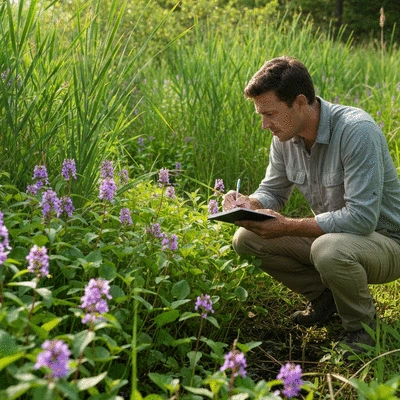
To tackle the challenges posed by Ludwigia peploides, we must adopt sustainable practices that not only mitigate its impact but also promote the resilience of native ecosystems. Here are some actionable strategies you can implement:
By integrating these strategies into your management plans, we can work together to restore balance in aquatic habitats. Have you thought about how community engagement can amplify these efforts?
While we have made significant strides in understanding Ludwigia peploides, there remain crucial areas for future study. Identifying these knowledge gaps can enhance our management outcomes and provide clearer guidance for land managers and researchers alike. Some key areas to explore include:
Engaging in these research areas will not only deepen our understanding but also empower those managing these ecosystems. As I continue my work at the Ludwigia Peploides Resource Center, I invite you to join me in this exploration of knowledge!
Addressing the ecological impact of Ludwigia peploides invasions requires effective restoration techniques. By employing a range of strategies, we can mitigate this invasive species’ detrimental effects on aquatic habitats. Consider the following approaches:
By focusing on innovative restoration methods, we can foster healthier ecosystems that withstand the pressures of invasiveness. What restoration techniques have you found effective in your practice?
Here is a quick recap of the important points discussed in the article:
Factors Influencing Ludwigia Germination
Have you ever wondered how small changes in environmental conditions can impact the growth of an ent
Ludwigia Peploides Eradication Case Studies
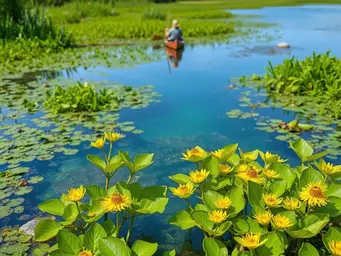
The impact of invasive species on aquatic ecosystems is more significant than many realize. As we co
Monitoring Ludwigia Peploides Spread Strategies
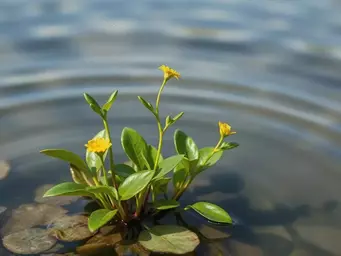
As the battle against invasive species intensifies, understanding their impact on ecosystems becomes
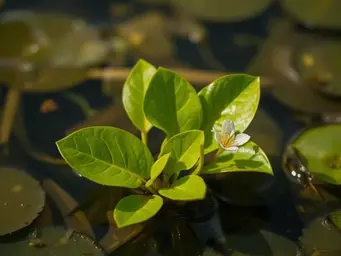
Factors Influencing Ludwigia Germination
Ludwigia Peploides Eradication Case Studies
Monitoring Ludwigia Peploides Spread Strategies
Ludwigia peploides: Water and Stress
Disposing of Ludwigia Peploides Safely