
Cost-Benefit Analysis: Compliance
- ✓Reduced long-term costs
- ✓Preservation of native species
- ✓Avoidance of fines/penalties
- *Immediate costs (permits, labor)
As Dr. Miranda Faulkner wisely notes, understanding the balance of our ecosystems requires both education and action. The management of invasive species like Ludwigia peploides is not just a task for scientists, but a community commitment to ecological health. What can you do to contribute to this vital effort?
This visual highlights the critical factors in regulatory compliance for managing Ludwigia peploides, comparing the trade-offs of compliance versus inaction, and outlining adaptive strategies.
As we dive into the world of Ludwigia peploides, commonly known as creeping water primrose, it's essential to understand why this aquatic plant is of major concern. Its ability to rapidly spread can significantly disrupt local ecosystems. This invasive species often outcompetes native flora, resulting in diminished biodiversity and altered habitats. For a detailed management plan in specific regions, you can refer to the Peconic Estuary Program's Ludwigia Management Plan. Have you come across areas where this plant has taken over? Recognizing its impact is the first step toward effective management.
At the Ludwigia Peploides Resource Center, we believe that education is key. By understanding the biological characteristics and growth patterns of this plant, we can better appreciate the necessity for regulatory compliance in its management. The goal is to protect our waterways and ensure that local ecosystems thrive.
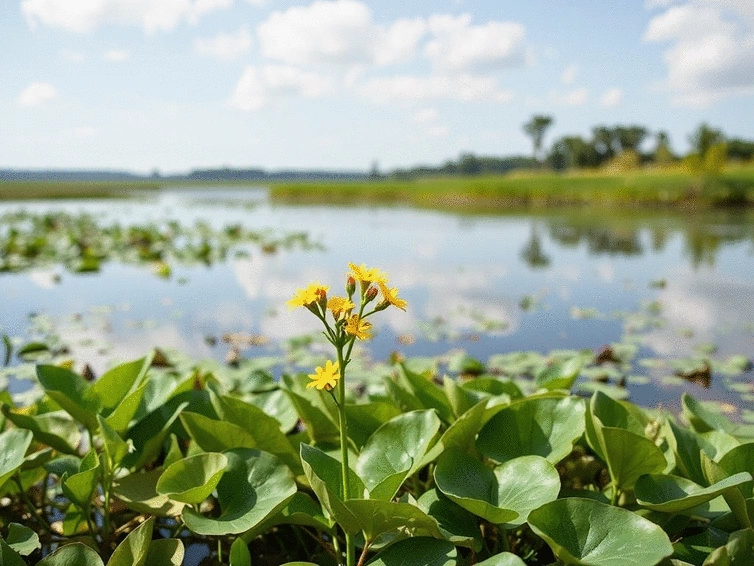
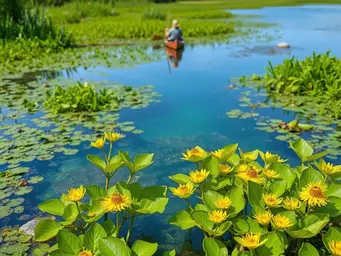
Ludwigia peploides thrives in shallow waters, forming dense mats that can choke out other aquatic vegetation. Its vibrant yellow flowers may catch your eye, but don't be fooled! This beauty poses a serious threat to biodiversity. In addition to competing for sunlight and nutrients, it can alter hydrological cycles and disrupt food webs in affected areas. The U.S. Fish & Wildlife Service provides an ecological risk screening summary highlighting its high-risk status.
Not only does Ludwigia peploides impact the ecology, but it also poses challenges for recreational activities and local economies. Understanding these concerns helps us advocate for appropriate management practices.
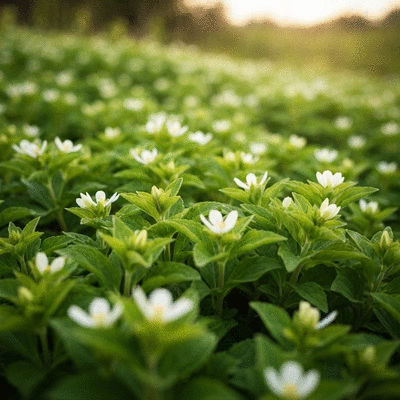
Regulatory compliance is crucial in the control of invasive species like Ludwigia peploides. It ensures that management practices are effective and safe for the environment. Local, state, and federal regulations guide how we can manage these plants, and adhering to these regulations protects our ecosystems while allowing for the implementation of control measures.
Effective compliance includes understanding the necessary permits and procedures required for using herbicides or other control methods. This not only helps land managers avoid legal pitfalls but also promotes sustainable practices that benefit both the ecosystem and the community.
Environmental impact assessments (EIAs) play a vital role in the management of Ludwigia peploides. These assessments evaluate the potential effects of proposed control measures on ecosystems, ensuring that our actions lead to more positive outcomes. By identifying risks and benefits, EIAs help in crafting targeted strategies that minimize negative impacts.
Conducting thorough EIAs is not just a regulatory requirement; it’s a best practice. They allow us to make informed decisions about which control methods to implement, whether they be chemical, mechanical, or a combination of both. Engaging in this process strengthens our commitment to effective ecological management.
Ultimately, our goal at the Ludwigia Peploides Resource Center is to empower land managers and ecologists with the knowledge needed to make informed choices that enhance ecological health. Together, we can tackle the challenges posed by Ludwigia peploides!
Did you know? Conducting regular monitoring of Ludwigia peploides populations can significantly enhance your management efforts. By keeping track of its growth patterns and spread, you can implement timely interventions to mitigate its impact on local ecosystems. Consider using a combination of visual assessments and GIS technology for accurate data collection!
As we look to the future of managing Ludwigia peploides, understanding the importance of regulatory compliance is crucial. It's not just about adhering to the rules; it's about weighing the consequences of compliance against inaction. A well-conducted cost-benefit analysis can shed light on the economic and ecological ramifications of these choices.
For instance, the absence of compliance can lead to uncontrolled invasions, resulting in higher long-term costs for removal and ecosystem damage. By investing in proper compliance measures, land managers can not only mitigate these risks but also enhance the sustainability of their practices!
When evaluating compliance, consider these key factors:
By mapping out these aspects, you can make informed decisions that favor both ecological integrity and financial responsibility. Have you done a similar analysis for your management plans? Your insights could be invaluable to others!

As climate change continues to reshape ecosystems, regulatory compliance must also evolve. Climate variability affects the spread of invasive species like Ludwigia peploides, necessitating adaptable management strategies. It’s crucial to consider how changing weather patterns impact not only the plant’s growth but also the effectiveness of control measures.
Land managers need to stay ahead of the curve by:
By understanding and adapting to these dynamics, we can ensure that compliance efforts remain relevant and effective!
Environmental regulations play a pivotal role in the management of invasive species. They provide a framework for implementing control measures while emphasizing the protection of our natural resources. As Dr. Faulkner at the Ludwigia Peploides Resource Center often reminds us, compliance not only safeguards our ecosystems but also promotes biodiversity!
Here are some critical regulatory areas to consider:
By actively engaging with these regulations, land managers can contribute to the overall health of the ecosystems they work within. It’s a collective effort—what strategies have you found effective in navigating these challenges?
A: Ludwigia peploides, also known as creeping water primrose, is an aquatic plant that rapidly spreads and can significantly disrupt local ecosystems. It outcompetes native flora, leading to diminished biodiversity, altered habitats, and can even affect water quality and recreational activities. Its ability to form dense mats limits oxygen exchange and impacts local wildlife.
A: Regulatory compliance ensures that management practices for invasive species are effective, safe, and adhere to environmental protection standards. It guides the use of control methods, such as herbicides, necessitates proper permitting, and helps avoid legal penalties, ultimately promoting sustainable practices for ecosystem health.
A: EIAs are crucial for evaluating the potential effects of proposed control measures on ecosystems. They help identify risks and benefits of various methods (chemical, mechanical, etc.), ensuring that implemented actions lead to positive environmental outcomes and minimizing negative impacts. This process also provides a framework for public input and stakeholder involvement.
A: Climate change influences the spread and behavior of invasive species like Ludwigia peploides. Adapting management strategies to climate variability is essential. This includes monitoring climate trends, adjusting control measures based on environmental shifts, and advocating for updated regulations that reflect current ecological realities to maintain effectiveness.
A: Community involvement is vital for successful invasive species management. Educating landowners on permit applications, encouraging public participation in clean-up events and citizen science initiatives, and building partnerships with local organizations and governments foster collaboration, amplify resources, and create a united front against invasives, promoting a sense of ownership and responsibility.
Community involvement is essential for successful invasive species management. Engaging with stakeholders not only fosters collaboration but also promotes a deeper understanding of the challenges we face with Ludwigia peploides control, as highlighted by organizations like LISMA. Sharing knowledge and resources can lead to more effective strategies and a united front against invasives!
One of the most significant aspects of community engagement is educating landowners about the permit application process. This can empower them to take action by:
Effective education can drastically improve compliance rates and ensure that everyone is on the same page. Have you seen positive outcomes from similar efforts in your community?
Encouraging public participation not only enhances management efforts but also builds community ties. By involving local citizens in activities such as:
We can foster a sense of ownership and responsibility towards our local ecosystems. What initiatives have worked best in your experience?
Collaboration is key when it comes to habitat conservation. Forming partnerships with organizations, local government, and educational institutions can lead to:
Partnerships amplify our capabilities, helping to build a more robust approach to managing Ludwigia peploides. Have you explored partnerships in your region? I'd love to hear about your experiences!
In summary, ensuring compliance through effective planning and execution is vital for the management of Ludwigia peploides. By understanding the regulatory landscape and engaging with the community, we can create a more sustainable future for our ecosystems. Remember, compliance is not just a checkbox—it's a commitment to ecological health!
To achieve successful management, here are some key strategies:
By implementing these strategies, you’ll be better equipped to navigate the complexities of invasive species management. What steps are you taking to ensure compliance in your area?
As we conclude, I encourage you to get involved in local invasive species programs. Whether it's by volunteering, attending workshops, or simply spreading the word, every action counts! Together, we can make a difference in managing Ludwigia peploides and restoring ecological balance.
What initiatives will you join? Let’s work together towards healthier ecosystems!
Here is a quick recap of the important points discussed in the article:
Managing Ludwigia Peploides in Protected Areas
As Dr. Miranda Faulkner wisely notes, understanding the balance of our ecosystems requires both educ
Restoration Insights After Ludwigia Removal

What happens when a single invasive plant species takes over an ecosystem? The story of Ludwigia pep
Factors Influencing Ludwigia Germination
Have you ever wondered how small changes in environmental conditions can impact the growth of an ent
Managing Ludwigia Peploides in Protected Areas
Restoration Insights After Ludwigia Removal
Factors Influencing Ludwigia Germination
Ludwigia Peploides Eradication Case Studies
Monitoring Ludwigia Peploides Spread Strategies