
Integrated Control Methods
- • Herbicide Selection: Wetland-specific, targeted application.
- • Mechanical Removal: Aquatic harvesters, cut-and-remove.
- • Strategic Timing: During plant's active growth cycle.
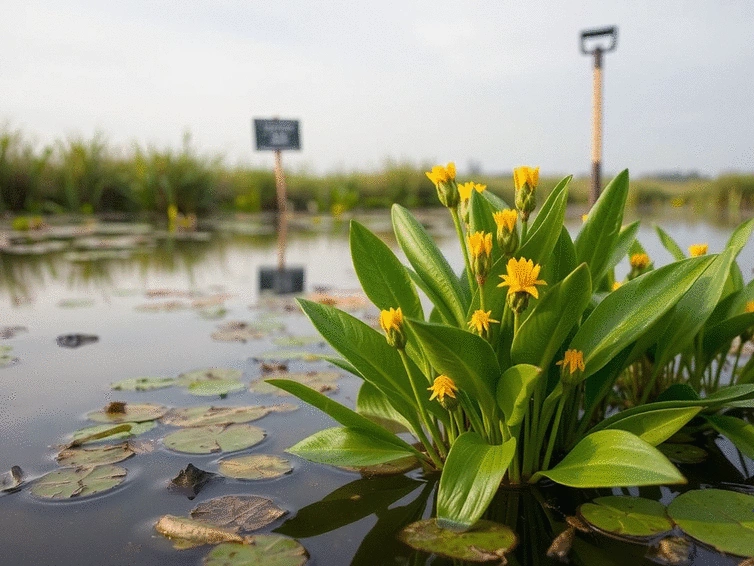
In the world of aquatic ecosystems, few plants wield as much influence as Ludwigia peploides. This resilient species can dramatically reshape its environment, often with unforeseen consequences. What can we learn from its dual nature as both a habitat provider and a potential ecological threat? Let's delve into the vital lessons surrounding this intriguing plant.
Effective control of Ludwigia peploides relies on a multi-faceted strategy combining direct intervention, prevention, and ecosystem health evaluation.
At the Ludwigia Peploides Resource Center, we dive deep into the fascinating world of Ludwigia peploides, commonly known as creeping water primrose. This aquatic plant is not just a pretty sight; it plays a significant role in its environment. By understanding its characteristics and ecological impact, we can better manage its spread and promote healthy ecosystems.
But what exactly is Ludwigia peploides? It’s a perennial herb that flourishes in shallow water, forming dense mats that float on the surface. These mats can inhibit the growth of other plants and alter the delicate balance of aquatic ecosystems. Have you seen this plant in your local waterways? Let’s explore its effects further!
Ludwigia peploides is often recognized by its vibrant yellow flowers and oval leaves, which can either float on the water’s surface or be submerged. It's a resilient species that thrives in various wetland environments, making it a common sight in many regions. Understanding its biological characteristics is crucial for anyone involved in ecological management.
By mastering the identification of Ludwigia peploides, land managers and ecologists can better address the challenges posed by its invasive nature. This knowledge is vital for effective ecosystem management.
Ludwigia peploides plays a complex role in aquatic ecosystems, acting both as a resource and a potential threat. On one hand, it provides habitats and food for certain aquatic creatures; on the other hand, its rapid growth can lead to significant ecological imbalances. Understanding these dynamics helps us appreciate why managing this plant is crucial for ecological health.
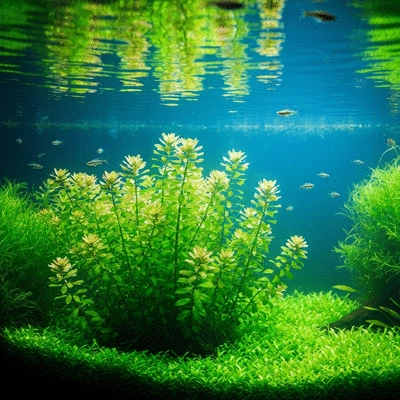
As we continue to study this plant, we recognize the balance between its benefits and drawbacks, emphasizing the importance of informed management strategies.
While Ludwigia peploides has its benefits, its invasive traits can lead to serious ecological threats. When this plant spreads unchecked, the consequences can be dire for local ecosystems. Let's explore some of these threats in detail!
One of the primary threats posed by Ludwigia peploides is its ability to outcompete native aquatic species. By forming thick mats, it can block sunlight and prevent other plants from growing, leading to a decline in biodiversity. Have you noticed fewer native plants in your area? This could be a sign of Ludwigia’s invasive spread.
Additionally, the dense growth of Ludwigia peploides can significantly affect water quality. By covering large surface areas, it hinders gas exchange, which can deplete oxygen levels in the water. This drop in oxygen can create unsuitable conditions for fish and other aquatic life, ultimately harming the entire ecosystem.
The effects of Ludwigia peploides extend beyond just plants. As native fish and wildlife struggle with changes in their habitat, the overall health of the ecosystem diminishes. For fish, reduced oxygen levels can lead to declining populations and disrupted food webs. It’s essential to monitor these impacts closely.
Maintaining biodiversity and ensuring the health of ecosystems is crucial for our planet. Healthy ecosystems provide vital services that benefit both humans and wildlife, such as clean water, nutrient cycling, and habitat for various species. By understanding the role of Ludwigia peploides, we can work together to protect our aquatic environments and promote sustainable practices.
At the Ludwigia Peploides Resource Center, we are dedicated to educating others about these challenges and the importance of preserving biodiversity. Let’s join forces to ensure our ecosystems remain vibrant and resilient!
As we delve deeper into the complexities of Ludwigia peploides, we want to know your thoughts. Have you encountered this plant in your local waterways? How do you believe it affects the biodiversity in your area? Share your experiences and insights with us!
When it comes to managing the spread of Ludwigia peploides, an integrated approach is essential. This invasive plant can quickly dominate aquatic ecosystems, so implementing effective control strategies is crucial for restoring ecological balance. I often emphasize the importance of combining methods to ensure we tackle this challenge effectively. Let's explore some practical management strategies that can be employed.
One of the most efficient ways to control Ludwigia peploides is through a combination of herbicides and mechanical removal. These methods can complement each other, enhancing overall effectiveness. Here are some key points to consider:
By combining these methods, we can significantly reduce the spread of Ludwigia peploides in affected areas. It's important to regularly reassess our strategies to adapt to changing conditions.
Selecting the right herbicide is critical in managing Ludwigia peploides effectively. Ensure the herbicides used are labeled for aquatic settings to avoid harming non-target species. Options like glyphosate or imazapyr can be effective but must be applied with caution to minimize ecological disruption.
Mechanical removal can be highly effective if done correctly. Here are best practices to follow:
These techniques not only help in controlling the invasive spread but also play a significant role in the restoration of native habitats.
Fragment dispersal is a common issue during restoration efforts. As you work on projects aimed at controlling Ludwigia peploides, it's important to have strategies in place to prevent the dispersal of fragments, which can lead to new infestations.
Proper site preparation is critical. Before beginning any removal or restoration project, assess the site to identify potential sources of fragmentation. Employing monitoring techniques can help track the spread of any residual fragments.
Implementing an Early Detection Rapid Response strategy can be a game-changer. By quickly identifying new infestations, you can respond promptly, preventing larger outbreaks. Here are a few steps to incorporate EDRR into your management plan:
These steps can greatly increase the chances of successfully managing Ludwigia peploides and protecting our aquatic ecosystems.
To safeguard native habitats from invasive species like Ludwigia peploides, implementing strong biosecurity measures is essential. These practices can help prevent the introduction of new invasives and protect existing ecosystems.
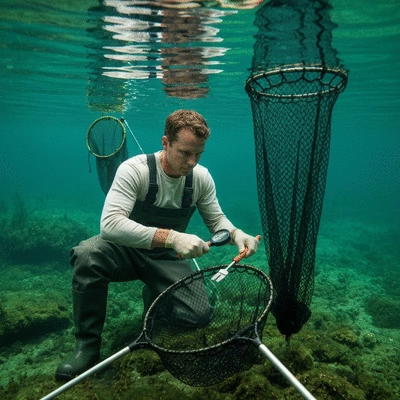
Here are some effective biosecurity measures to consider:
By following these best practices, we can create a robust defense against the introduction and spread of invasives in our ecosystems.
Community involvement is crucial for effective biosecurity. Engaging local stakeholders not only raises awareness but also fosters collaboration in management efforts. Encourage participation through educational programs, volunteer days, and local conservation initiatives. Together, we can make a significant impact in protecting our native habitats from invasive threats.
Lastly, evaluating soil health and water management practices is fundamental in the fight against Ludwigia peploides. Healthy ecosystems are often more resilient to invasions. Conduct soil tests to determine nutrient levels and overall health, and adjust your management practices accordingly. Effective water management can also help maintain optimal habitat conditions that support native plants and discourage invasive growth.
Through these integrated management strategies, we can tackle the challenges posed by Ludwigia peploides, ensuring healthier, more vibrant ecosystems for future generations.
Here is a quick recap of the important points discussed in the article:
Monitoring Ludwigia Peploides Spread Strategies
As the battle against invasive species intensifies, understanding their impact on ecosystems becomes
Ludwigia peploides: Water and Stress
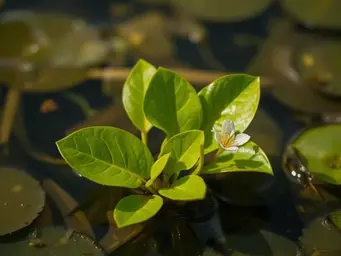
Consider this: a single aquatic plant can transform an entire ecosystem. Understanding the complexit
Disposing of Ludwigia Peploides Safely
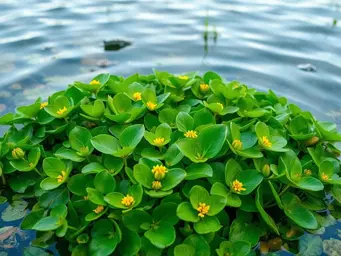
As we delve into the complexities of managing invasive species, consider this: did you know that a s
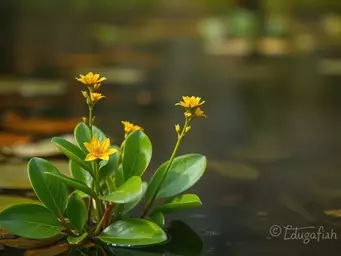
Monitoring Ludwigia Peploides Spread Strategies
Ludwigia peploides: Water and Stress
Disposing of Ludwigia Peploides Safely
Ecological Risks of Ludwigia Peploides
Ludwigia Species Identification Guide