Welcome to Ludwigia Peploides Resource Center. Explore expert insights, management strategies, and educational materials on this invasive aquatic plant.
Consider this: the creeping water primrose, a plant often admired for its vibrant beauty, carries a hidden menace that can transform aquatic ecosystems. Understanding this paradox not only enhances our ecological awareness but equips us to safeguard our waterways. Let's explore the key insights into Ludwigia peploides and its impacts.
What You Will Learn
Ludwigia peploides is a rapidly growing invasive species that can double its biomass in just weeks, outcompeting native plants.
Its dense mats of floating leaves and bright yellow flowers can significantly disrupt local ecosystems by monopolizing sunlight and nutrients.
The growth of Ludwigia alters water flow dynamics, leading to reduced oxygen levels and biodiversity loss in aquatic habitats.
Effective management requires robust monitoring and community engagement to combat its invasive spread and restore ecological balance.
Visualizing the Impact of Ludwigia Peploides on Aquatic Ecosystems
The following visual summarizes key characteristics, invasive qualities, and ecological impacts of Ludwigia Peploides, highlighting critical areas for management and monitoring.
•Altered Habitats: Changes water flow, affecting communities.
Ecological Impacts on Water Quality
•Oxygen Depletion: Reduced O2 levels affect aquatic life.
•Nutrient Imbalance: Increased phosphates/nitrates lead to algal blooms.
•Biodiversity Loss: Displacement of native species.
•Altered Sediment Dynamics: Impacts habitat for aquatic species.
Monitoring & Management Steps
•Establish Baseline Data: Assess water quality/biodiversity.
•Regular Monitoring: Track changes in water quality and spread.
•Engage Stakeholders: Collaborate with community.
Engaging Authorities & Agencies
•Advocate for Policies: Support legislation for invasive control.
•Participate in Workshops: Stay updated on best practices.
•Contribute Data: Share monitoring data with authorities.
Understanding Ludwigia Peploides: Characteristics and Invasive Nature
Ludwigia peploides, commonly known as creeping water primrose, is a fascinating yet problematic plant that thrives in wetlands. This perennial herb, native to North America, has gained notoriety for its invasive nature. Have you ever noticed how quickly it can take over a water body? Understanding its characteristics is essential for effective management and restoration efforts.
Invasive species like Ludwigia peploides can significantly disrupt local ecosystems. Its ability to rapidly grow and spread leads to diminished biodiversity and altered habitats. For ecologists and land managers, recognizing the traits and impacts of this plant is crucial in addressing the challenges it presents.
What is Ludwigia Peploides and Why is it Considered Invasive?
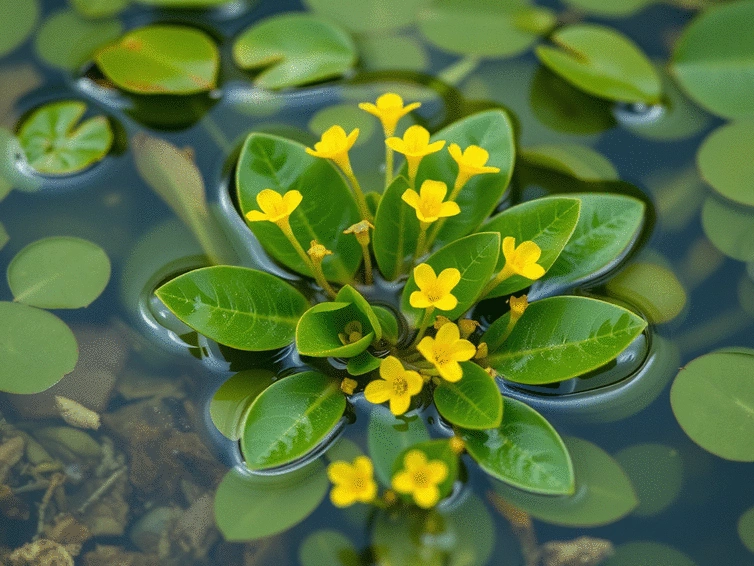
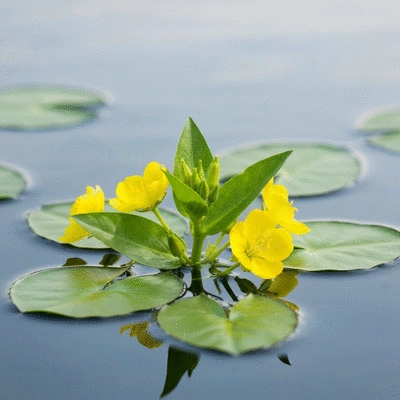
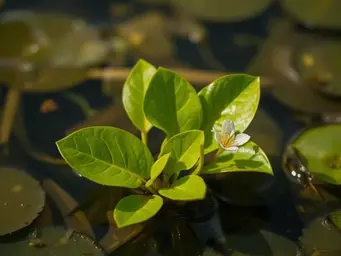
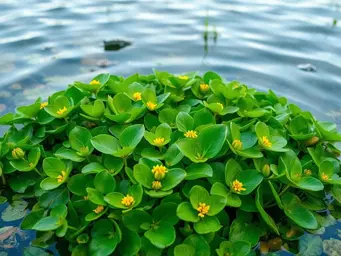
Ludwigia peploides is primarily recognized by its floating leaves and vibrant yellow flowers. It flourishes in shallow waters, creating dense mats that outcompete native aquatic plants for resources. This competitive advantage allows it to choke waterways, impacting not only plant life but also the overall health of aquatic ecosystems.
Rapid Growth: Ludwigia peploides can double its biomass in just a few weeks, making it difficult for natives to survive.
Resource Competition: The plant monopolizes sunlight and nutrients, leading to declines in local flora.
Altered Habitats: Its growth changes water flow dynamics, affecting the entire aquatic community.
This invasive quality poses significant challenges for land managers and ecologists working to restore balance in impacted ecosystems. Recognizing these traits is the first step in effective management strategies. Further insights into the spread and impact of invasive species like Ludwigia peploides can be found in research on macroinvertebrate communities in affected areas.
Identifying Floating Water Primrose: Visual and Biological Traits
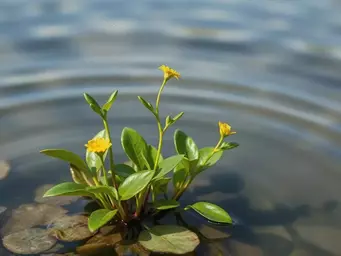
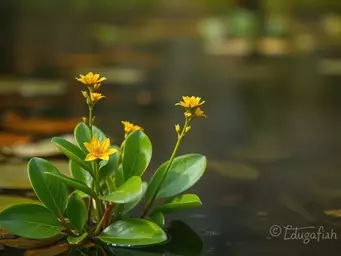
Identifying Ludwigia peploides is essential for anyone engaged in ecological management. This plant typically features oval, bright green leaves that float on the surface of the water. The flowers, with their striking yellow hue, are often clustered, making them quite noticeable. It’s important to familiarize yourself with these characteristics to distinguish it from beneficial native species.
Leaves: Oval, sometimes submerged, often with a glossy surface.
Flowers: Bright yellow, typically blooming in clusters during the warmer months.
Growth Habit: Forms dense mats that can cover large water areas, impacting visibility and access.
For students and ecologists alike, mastering the identification of Ludwigia peploides is not just an academic exercise; it’s vital in the ongoing battle against invasive species. Have you seen this plant in your local waterways? Sharing your observations can help us broaden our understanding of its impact in various contexts. The USDA provides comprehensive guides on identifying and managing invasive plants, which can be a valuable resource.
Quick Summary
Here's a brief recap of the key points discussed so far:
Ludwigia peploides is an invasive species that disrupts local ecosystems by outcompeting native plants.
This plant can double its biomass in just a few weeks, leading to significant resource competition.
Identifying its distinctive floating leaves and yellow flowers is crucial for effective management.
The ecological impacts include oxygen depletion, nutrient imbalance, and biodiversity loss.
Frequently Asked Questions About Ludwigia Peploides
What is Ludwigia peploides?
Ludwigia peploides, also known as creeping water primrose, is a perennial aquatic herb native to North America. It is considered an invasive species due to its rapid growth and ability to outcompete native plants.
Why is Ludwigia peploides considered an invasive species?
It's invasive because it grows and spreads very quickly, forming dense mats that monopolize sunlight and nutrients, altering water flow, and reducing oxygen levels. This disrupts local ecosystems and leads to a decline in native flora and fauna.
What are the key characteristics for identifying Ludwigia peploides?
Key characteristics include oval, bright green leaves that float on the water's surface, and vibrant yellow flowers that typically bloom in clusters during warmer months. It often forms dense mats covering large areas of water.
What are the ecological impacts of Ludwigia peploides?
Its ecological impacts include dissolved oxygen depletion affecting aquatic life, increased nutrient concentrations leading to algal blooms, biodiversity loss through displacement of native species, and altered sediment dynamics impacting aquatic habitats.
What are the recommended steps for managing Ludwigia peploides invasions?
Effective management involves establishing baseline data, regular monitoring of water quality and plant spread, and engaging local stakeholders. Collaboration with local authorities and ecological agencies, advocating for policies, and sharing monitoring data are also crucial.
Summarizing the Impacts of Ludwigia Peploides on Aquatic Ecosystems
As we delve deeper into the ecological implications of Ludwigia peploides, it's essential to summarize its significant effects on aquatic environments. The pervasive nature of this invasive species not only disrupts the balance of native flora but also leads to detrimental changes in water quality. By understanding these impacts, we can better equip ourselves to manage and mitigate its spread effectively.
Here are some key takeaways regarding the implications of Ludwigia peploides on water quality and management approaches:
Dissolved oxygen depletion: As Ludwigia mats proliferate, they can significantly reduce oxygen levels in the water, affecting fish and other aquatic organisms.
Nutrient imbalance: Increased nutrient concentrations, particularly phosphates and nitrates, can lead to harmful algal blooms, further degrading water quality.
Biodiversity loss: The displacement of native macrophytes results in a decline in biodiversity, disrupting established ecosystems.
Altered sediment dynamics: The presence of dense mats affects sedimentation patterns and water flow, impacting the habitat for various aquatic species.
To combat these challenges, effective management strategies are crucial. As the founder of the Ludwigia Peploides Resource Center, I am dedicated to providing resources and strategies to aid ecologists, land managers, and students in addressing these issues. Let’s take a closer look at the necessary actions we can take.
Next Steps: Taking Action Against Ludwigia Peploides Invasion
Implementing Monitoring and Management Plans in Your Area
Developing a robust monitoring plan is essential in managing Ludwigia peploides invasions. Here are steps to consider when creating effective management strategies:
Establish baseline data: Conduct initial assessments of water quality and biodiversity to understand the current state of your ecosystem.
Regular monitoring: Schedule routine evaluations to track changes in water quality and the spread of Ludwigia.
Engage local stakeholders: Collaborate with community members and organizations to share findings and promote awareness.
By taking these steps, we can work together to protect our water bodies and restore ecological balance. Monitoring is just one part of a multifaceted approach necessary to combat the invasive nature of Ludwigia. Additional guidance on aquatic invasive species control projects can provide further insights.
Engaging with Local Authorities and Ecological Agencies
Collaborating with local authorities and ecological agencies is vital in addressing the challenges posed by Ludwigia peploides. Here are some strategies to foster effective partnerships:
Advocate for policies: Support legislation aimed at controlling invasive species and enhancing ecosystem management practices.
Participate in workshops: Attend training sessions and workshops offered by ecological agencies to stay updated on best practices.
Contribute data: Share your monitoring data with local authorities to enhance regional efforts in managing invasive species.
By engaging with these organizations, we can amplify our efforts and create a more resilient ecosystem. It’s time to take action against the invasion of Ludwigia peploides and protect our vital aquatic resources!
Recap of Key Points
Here is a quick recap of the important points discussed in the article:
Ludwigia peploides is an invasive plant that thrives in wetlands, known for its rapid growth and ability to outcompete native species.
The plant's dense mats can choke waterways, disrupt local ecosystems, and lead to biodiversity loss.
Identifying key traits such as oval leaves and bright yellow flowers is essential for effective management.
Management strategies should include establishing baseline data, regular monitoring, and engaging local stakeholders.
Collaborating with local authorities is vital for effective control and advocacy against invasive species.
At the Ludwigia Peploides Resource Center, we are committed to delivering comprehensive scientific and educational materials. Our mission is to empower ecologists, students, and land managers in controlling invasive species and restoring ecological balance.

Monitoring Ludwigia Peploides Spread Strategies
Ludwigia peploides: Water and Stress
Disposing of Ludwigia Peploides Safely
Ecological Risks of Ludwigia Peploides
Ludwigia Species Identification Guide