Effects of Ludwigia peploides on Fish Populations
Hypoxia, habitat loss, food web disruption, and spawning interference — the cascading impacts of Ludwigia peploides invasion on freshwater fish communities and endangered species.
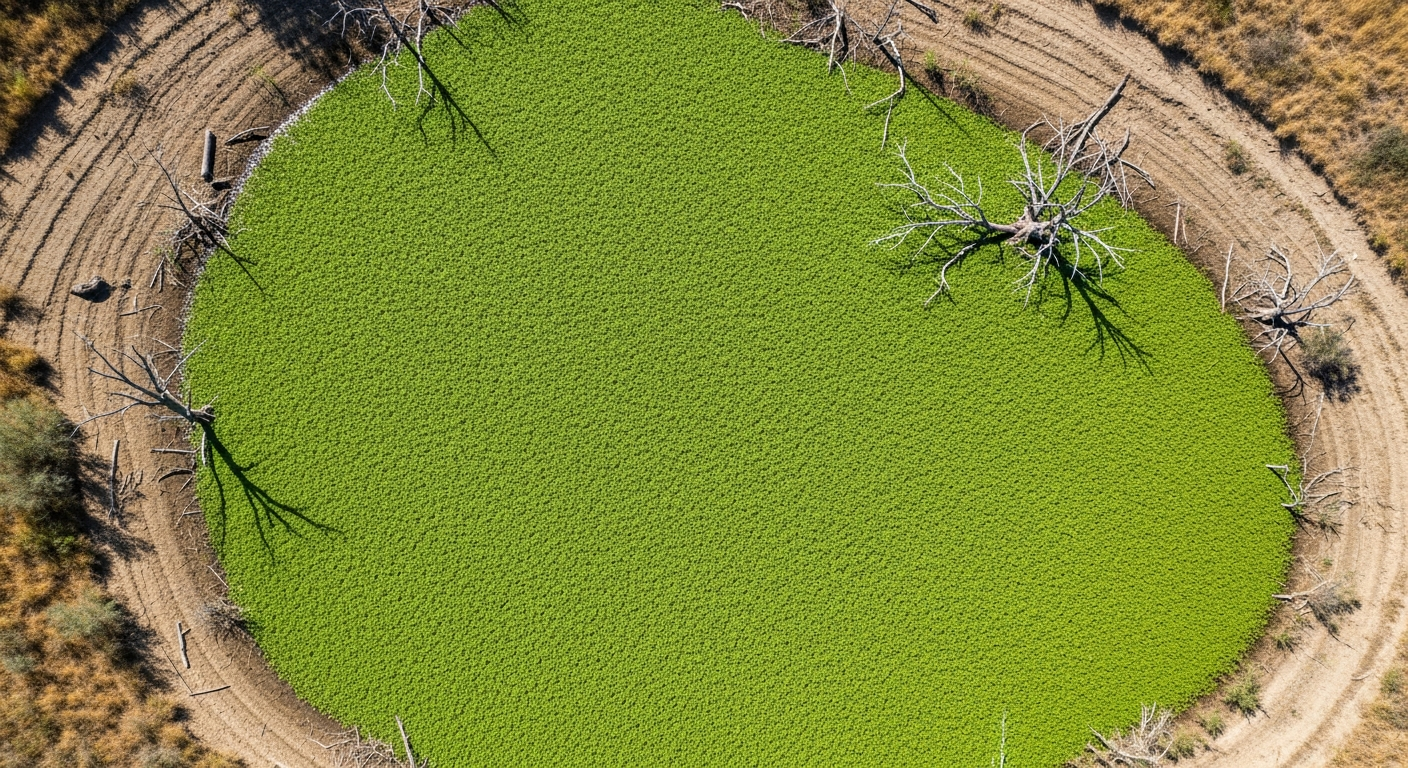
Freshwater fish communities are among the most severely impacted groups by Ludwigia peploides invasion. The mechanisms of impact are multiple and often synergistic — hypoxia excludes fish physiologically, habitat loss eliminates essential structural resources, food web disruption reduces food availability, and spawning habitat modification reduces reproductive success. In the Sacramento-San Joaquin Delta, the overlap between Ludwigia invasions and the critical habitat of federally threatened species makes fish impacts a priority management concern. This article examines each impact mechanism in detail. For the oxygen dynamics driving these impacts, see Oxygen Depletion Effects.
Hypoxia and Fish Kills
The most immediate and dramatic fish impact of Ludwigia invasion is hypoxia-induced exclusion and mortality. Most freshwater fish species require dissolved oxygen above approximately 5 mg/L for normal physiological function. At DO below 4 mg/L, fish experience sublethal stress responses including elevated heart rate and ventilation, reduced feeding and activity, and impaired growth. At DO below 2–3 mg/L, acute distress and mortality can occur within hours. Dense Ludwigia mats regularly generate nighttime DO conditions below these thresholds in warm summer conditions — effectively converting large areas of potentially productive fish habitat into a physiological exclusion zone during the critical summer growing and rearing season. Fish trapped within mat-enclosed areas by the rapid horizontal expansion of Ludwigia mats in spring and early summer face particularly high mortality risk as mat density increases through the season. Documented fish kills in invaded California Delta channels and in French river systems are among the most visible and economically impactful consequences of Ludwigia invasion for recreational and commercial fisheries.
Habitat Loss for Fish
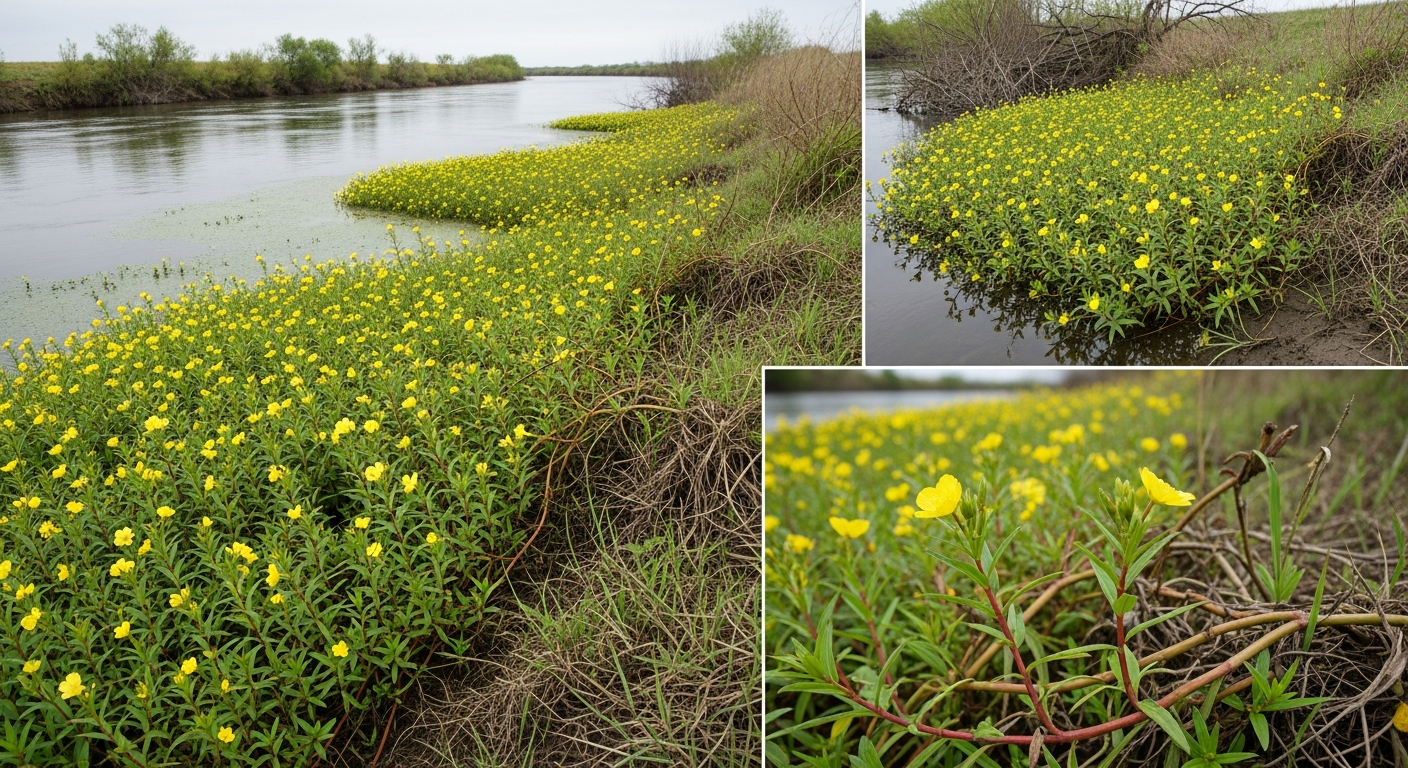
Beyond hypoxia, Ludwigia invasion eliminates the structural habitat features that fish rely on for feeding, shelter, and reproduction. In natural aquatic systems, the littoral zone — the shallow vegetated margin — is the most productive area of most freshwater water bodies, supporting the highest density and diversity of fish. The conversion of diverse littoral zone habitat (with submerged plants, floating plants, emergent plants, and open water) to a monoculture Ludwigia mat eliminates: (1) the cover and structural complexity that juvenile fish use to avoid predators; (2) the substrate for attaching eggs in broadcast-spawning species; (3) the periphyton and epiphyte community that grazing invertebrates feed on; and (4) the submerged plant beds that young fish use as nursery habitat. The result is a water body margin that supports dramatically fewer fish in lower diversity than the pre-invasion community. For fish that are obligate users of littoral zone habitat (sunfish, perch, many cyprinids), invasion of the entire littoral zone can effectively eliminate their use of the entire water body.
Food Web Disruption
The elimination of the macroinvertebrate community from beneath Ludwigia mats has cascading effects on the fish food web. Macroinvertebrates — including insects (dipterans, mayflies, caddisflies), crustaceans (amphipods, isopods), and worms — are the primary food source for most juvenile fish and many adult fish in freshwater systems. Under dense Ludwigia mats, where sediments are anoxic and the structural habitat that supports macroinvertebrate communities has been eliminated, macroinvertebrate biomass and diversity collapse to a fraction of pre-invasion levels. Studies from French rivers document 60–90% reductions in macroinvertebrate biomass in areas covered by Ludwigia mats compared to adjacent uninvaded areas. The loss of this food base reduces fish growth rates, reproductive output, and ultimately population size. For species like Delta smelt — which are exclusively pelagic planktivores — the altered zooplankton community in Ludwigia-dominated water is also of concern.
Spawning Habitat Impacts
Many freshwater fish species have specific spawning habitat requirements — clean gravel substrates for salmonids, submerged vegetation for warmwater species, or open water for broadcast spawners. Ludwigia peploides impacts spawning in several ways: (1) physical blockage of access to spawning sites as mats grow across water body channels and margins; (2) sediment smothering by accumulated organic matter, which makes gravel spawning habitats unsuitable for egg development; (3) elevated water temperatures beneath mats in summer, which can exceed thermal tolerances for egg incubation of cold-adapted species; and (4) DO conditions beneath mats during incubation periods that are insufficient for egg respiration and successful embryo development. For Pacific salmon returning to Delta and watershed spawning grounds, the combination of physical barriers, sediment alteration, and thermal stress from Ludwigia-affected channels represents a significant additional pressure on already challenged populations.
Impact on Endangered Fish Species
The overlap between Ludwigia peploides invasion and the critical habitat of federally listed fish species is particularly concerning. In the Sacramento-San Joaquin Delta: Delta smelt (Hypomesus transpacificus, federally threatened) requires cool, turbid, open-water pelagic habitat — conditions that Ludwigia mats disrupt by warming water, reducing turbidity (by trapping sediment), and physically occupying open water. Significant correlations between Ludwigia extent and Delta smelt decline have been documented. Chinook salmon (multiple listed runs) migrate through and rear in Delta channels where Ludwigia is established — facing hypoxia, habitat degradation, and reduced food resources during their critical juvenile rearing period. In European rivers, the endemic freshwater fish fauna of the Atlantic coast river systems (Atlantic salmon, various European cyprinids) is also significantly impacted by Ludwigia invasion in their freshwater rearing habitats.
Conclusion
The effects of Ludwigia peploides on fish populations are severe, multi-mechanistic, and extend from acute hypoxia-induced mortality to long-term population-level impacts through habitat loss, food web disruption, and spawning interference. The overlap with threatened and endangered fish species elevates the urgency of management well beyond generic ecological concern — it places Ludwigia management in the context of legally mandated species recovery obligations in many jurisdictions. Effective management that reduces mat biomass and restores DO, habitat structure, and food web function is both ecologically justified and economically beneficial through the restoration of recreational and commercial fisheries. See our Return on Investment analysis for the economic case for sustained management investment.