Return on Investment: Economic Benefits of Ludwigia Control
Calculating the ROI of Ludwigia peploides management — quantifying the economic benefits of avoided cost escalation, property value recovery, recreation revenue restoration, and ecosystem service value.
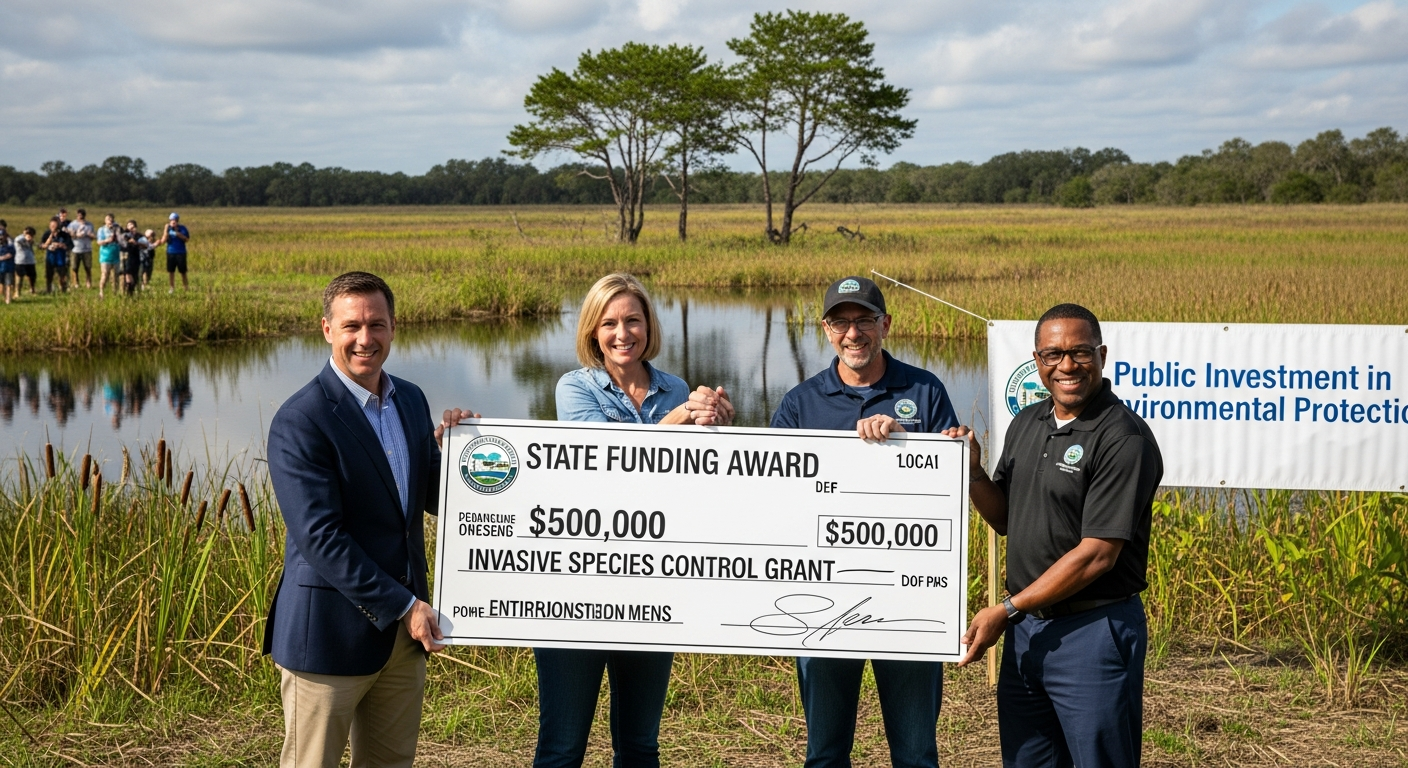
The economic case for investing in Ludwigia peploides management rests on more than just avoiding future treatment cost escalation — it includes recovering property values, restoring recreational revenue, and regaining the economic value of ecosystem services that dense Ludwigia mats eliminate. This article provides a framework for quantifying these returns and demonstrates why management investment typically delivers strongly positive ROI over a 5–10 year horizon. For the cost side of this analysis, see Multi-Year Control Costs and Cost of Inaction.
Direct Financial Returns from Management
The most straightforward economic returns from Ludwigia management come from avoided cost escalation. As documented in our Cost of Inaction analysis, delaying treatment by one growing season increases multi-year management costs by a factor of 2–5. A management investment of $5,000 in Year 1 that prevents the infestation from expanding to the point where Year 1 costs would be $25,000 generates $20,000 in direct avoided cost within a single year. Expressed as an ROI, this is a 400% return on the Year 1 investment, in avoided cost alone. For large established infestations, the avoided escalation returns are correspondingly larger — investing $100,000 per year in a suppression program that prevents the infestation from tripling and requiring $300,000/year generates $200,000 per year in avoided costs on an ongoing basis.
Property Value Recovery
Lake and waterfront property values are highly sensitive to water quality and recreational conditions. Economic studies of lakefront property value impacts from aquatic invasive plants consistently find negative effects — with the magnitude depending on severity of impairment. For water bodies where Ludwigia has closed off recreational access, property value discounts of 10–30% have been documented relative to comparable uninfested water bodies. Property value recovery after successful management typically begins within 2–3 growing seasons and accelerates as recreational access is fully restored. For a small lake surrounded by 50 properties each worth an average of $500,000, a 15% value depression from Ludwigia infestation represents $3,750,000 in aggregate value loss. A management program costing $150,000 over 5 years that restores full value represents a 25× return on investment in property value terms alone.
Recreation Revenue Restoration
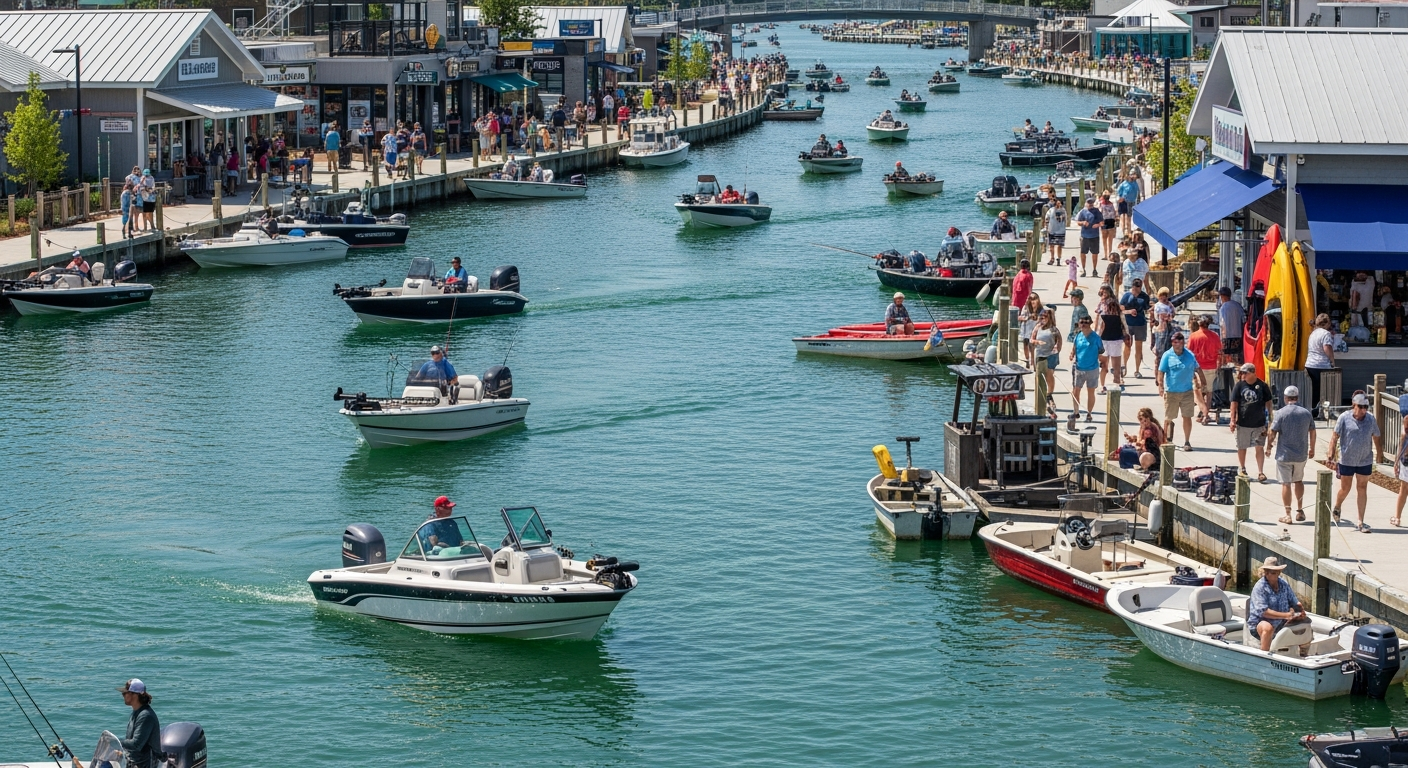
Water body recreation — fishing, boating, swimming, kayaking, paddleboarding — generates significant economic value for water body owners, adjacent businesses, and local economies. Dense Ludwigia mats eliminate or severely impair all of these uses. The economic value of restored recreational access can be quantified using travel cost analysis (the value people place on recreation as measured by what they spend to access it) or contingent valuation (survey-based willingness to pay). For recreational fisheries, the value per fishing trip (including angler expenditure and time cost) ranges from $50–$300 per day in studies of freshwater recreational fisheries. Restoring fishing access to a previously closed lake can generate $50,000–$500,000+ in annual recreational value depending on the water body's size, fish population, and regional demand for fishing access.
Ecosystem Service Value Restoration
Freshwater ecosystems provide services with significant economic value: water quality regulation (avoiding costly treatment of impaired water), flood mitigation, carbon sequestration, and habitat provision for commercially and recreationally important species. Ludwigia peploides infestations degrade all of these services. Published economic valuations of freshwater ecosystem services in temperate North America and Europe range from $1,000 to $15,000+ per hectare per year (2020 US dollars), depending on service type and location. Management that restores native aquatic plant communities and associated ecological functions incrementally restores this service flow. For water bodies providing drinking water, the water treatment cost savings from restored water quality (through reduced algal blooms, improved oxygen levels, and reduced nutrient loading caused by Ludwigia management) can run $10,000–$500,000+ per year depending on system scale.
ROI Calculation Framework
A structured ROI analysis for a Ludwigia management program includes:
10-Year ROI Framework: 5-Acre Recreational Lake
- Avoided escalation (vs. unmanaged): $200,000+
- Property value recovery (20 properties × $400K avg × 15% discount restored): $1,200,000
- Recreation revenue restored ($50K/yr × 8 active years): $400,000
- Ecosystem service value ($5,000/ha × 2 ha × 10 years): $100,000
Conclusion
The economic analysis of Ludwigia peploides management consistently finds that the returns from effective management — in avoided cost escalation, property value recovery, recreational revenue restoration, and ecosystem service value — substantially exceed management costs for water bodies with meaningful recreational and ecological value. The ROI case is strongest for early management before infestations become large and entrenched, reinforcing the cost-effectiveness of prevention and early detection programs. Use the framework in this article to build the economic case for management funding with lake associations, local governments, and grant programs — the numbers typically make a compelling argument for sustained investment.