Global Spread of Ludwigia peploides
From its native range in the Americas, L. peploides has established invasive populations across Europe, Australasia, and parts of Asia over the past two centuries, with continued range expansion driven by trade, transport, and climate warming.
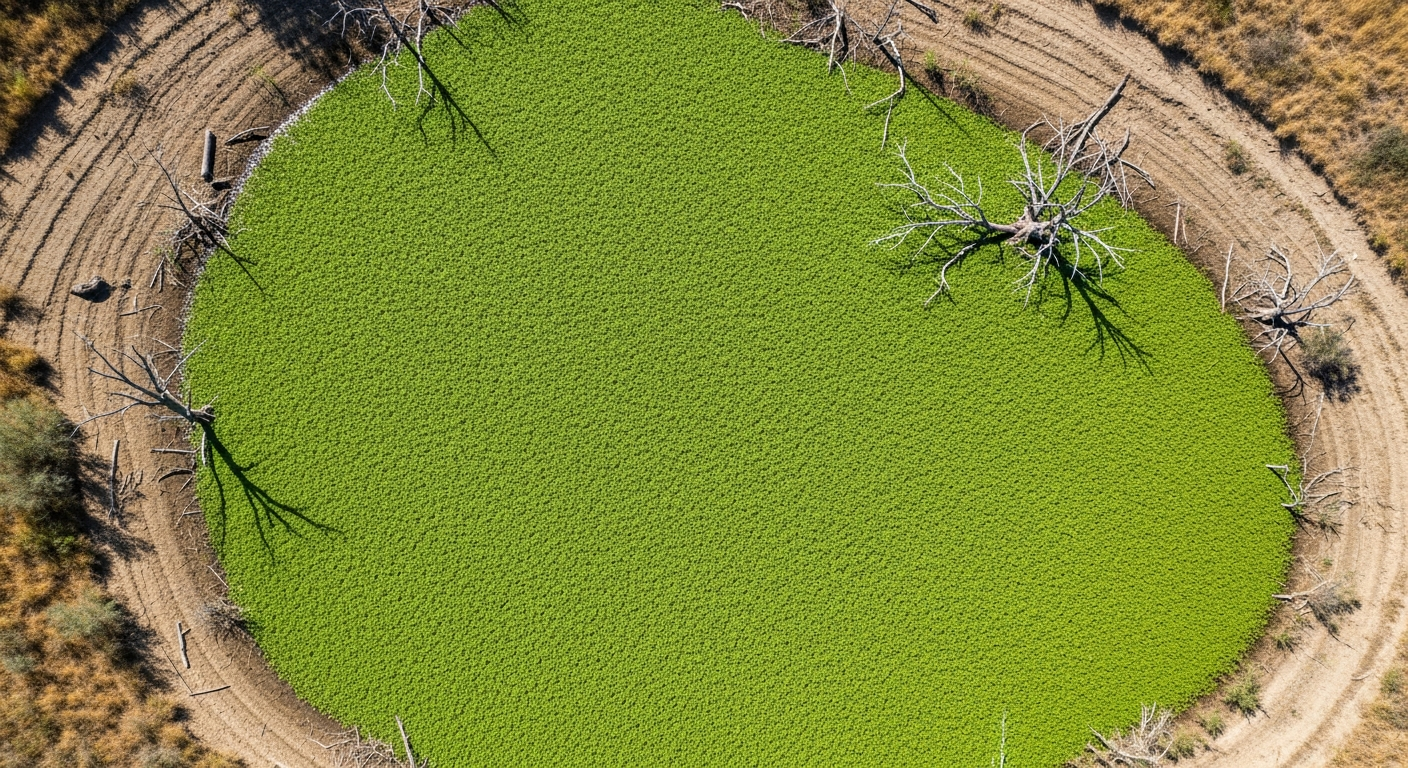
The global spread of Ludwigia peploides is a textbook example of how ornamental plant trade, combined with a species' inherent biological attributes, can produce dramatic and rapid range expansion far beyond historical geographical limits. From a native range spanning subtropical and warm temperate Americas, the species has colonized water bodies across Europe, Australasia, and parts of East Asia over approximately 200 years — a trajectory that continues today, driven by ongoing transport vectors and expanding climatically suitable areas under global warming.
The European Invasion
Europe represents the most extensively documented and ecologically significant invasive range outside the Americas. The earliest confirmed European record is from France in the 1820s, when the species was recorded from the Bordeaux region in specimens thought to have originated from botanical garden introductions. French populations remained relatively localized through the late 19th and early 20th centuries, likely constrained by climate and limited dispersal from the initial introduction sites. The post-World War II period saw a dramatic acceleration in range expansion coinciding with the growth of the aquatic plant trade, increased recreational boating, and — controversially — warmer summer temperatures.
Contemporary French invasion covers substantial portions of the Atlantic river network including the Loire, Charente, Garonne, and their tributaries, as well as the Mediterranean Camargue wetland system and numerous smaller rivers and channels in western France. The Marais Poitevin alone — a UNESCO-recognized wetland — has experienced significant invasion across hundreds of kilometres of waterway. Spanish and Portuguese populations are established in the Iberian Peninsula's major river systems. Italian populations in the Po Valley and Sardinia continue to expand. More recent establishment in Belgium, the Netherlands, southern Germany, and the UK indicates ongoing north-eastward range expansion.
Australia and the Pacific
In Australia, L. peploides is established across warm-climate water bodies in Victoria, New South Wales, South Australia, and Queensland. The Victorian invasion — particularly in the Murray-Darling basin waterway network — is the most extensive, with the species occupying irrigation channels, rivers, billabongs, and wetlands across a large area. The combination of warm temperatures, high nutrient loading from agricultural runoff, and slow-flowing or still water in irrigation infrastructure creates conditions highly suitable for the species' growth characteristics. New Zealand has documented introductions but population status remains limited compared to Australian mainland sites.
Asia
Invasive Ludwigia populations — including L. peploides and closely related species — are established or increasing in Japan, South Korea, and parts of Southeast Asia including Vietnam, Thailand, and the Philippines. In Japan, populations are documented in wetlands and rice paddies in warm regions, where they cause significant crop losses. The taxonomy of East Asian Ludwigia invasions is complex, as L. peploides, L. grandiflora, and L. peruviana may all be present, and morphological identification is challenging without expert botanical knowledge or molecular tools.
Introduction Pathways
Historical and contemporary analysis of introduction pathways identifies the ornamental aquatic plant trade as the primary initial pathway for most non-native established populations. The species was actively marketed as an attractive, easy-to-grow pond and aquarium plant for much of the 20th century, driving widespread deliberate introduction to private ponds and water features that served as sources for subsequent escape into natural waterways. Secondary spread from established invasive populations occurs through hydrochory (water dispersal), waterfowl endozoochory, and human-mediated transport on contaminated boats, fishing equipment, and aquatic plant material.
Conclusion
The global spread of L. peploides is an ongoing biological process that is likely to continue and potentially accelerate under projected climate change scenarios. Climate niche modeling predicts range expansion to higher latitudes in Europe and North America as warming creates climatically suitable conditions in areas currently too cool for establishment. Effective global management of this species requires international coordination on trade regulation, biosecurity protocols for water-based recreation and aquatic plant commerce, and shared technical knowledge between nations with management experience and those facing new or emerging invasions. The growing body of management knowledge from France, Australia, and other heavily invaded countries should inform rapid response strategies as the species continues to expand its global footprint.