Biodiversity Loss from Ludwigia peploides
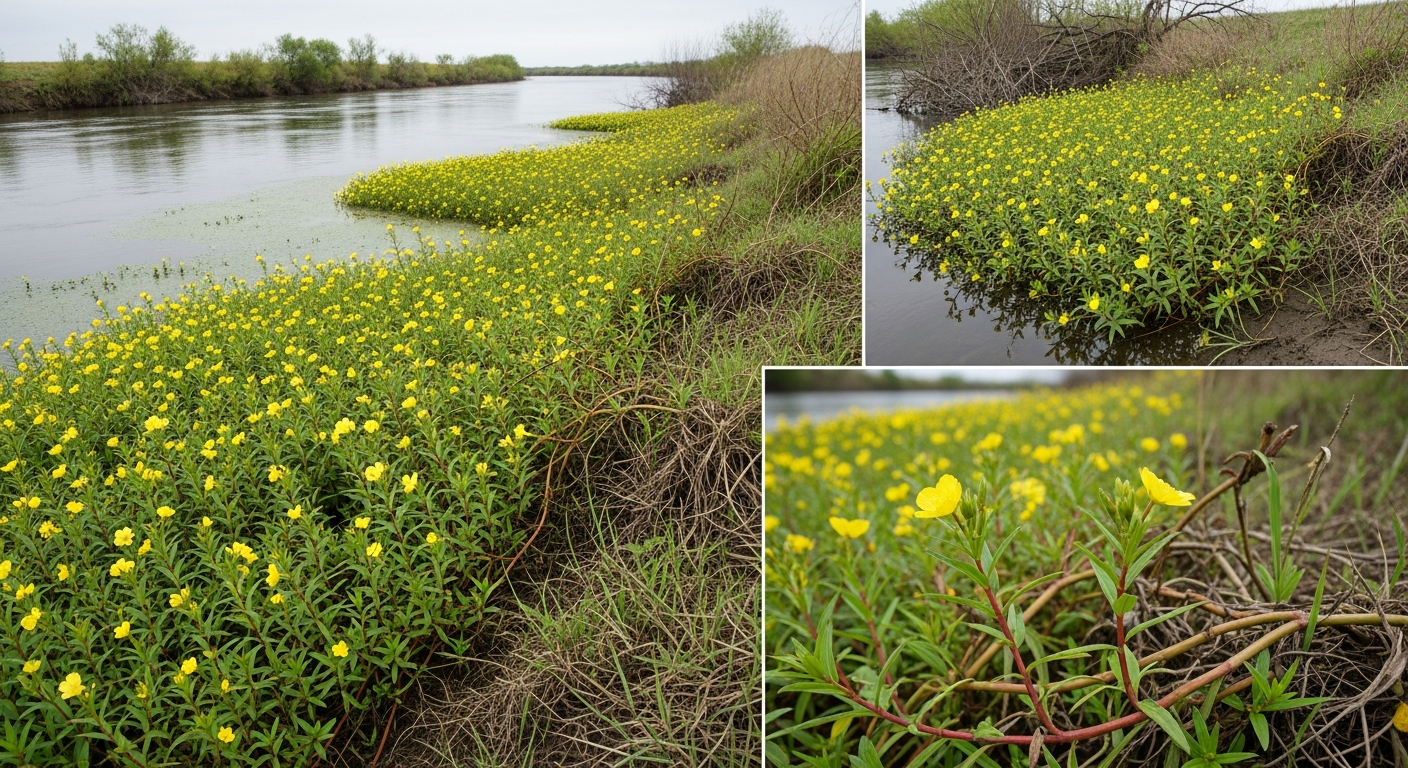
The cascading loss of biodiversity across plant, invertebrate, fish, amphibian, and bird communities is among the most profound and lasting consequences of large-scale L. peploides invasion.
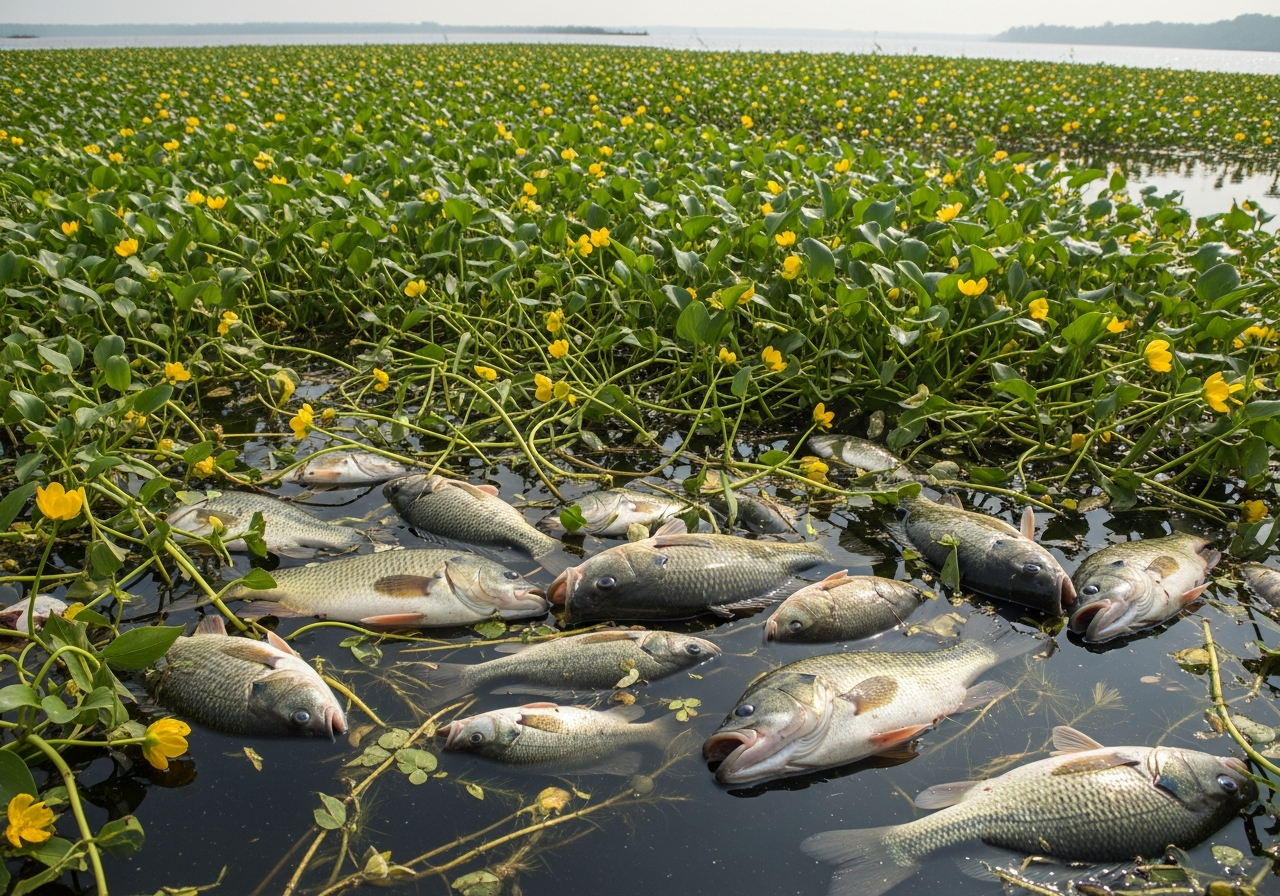
Biodiversity loss is the ultimate measure of ecological damage caused by invasive species. The transformation of a diverse, structurally complex aquatic community into a species-poor assemblage dominated by a single invasive plant is not simply an aesthetic change — it represents the loss of ecological function, evolutionary potential, and the diverse web of species interactions that constitute a healthy freshwater ecosystem. For Ludwigia peploides, the evidence for significant biodiversity impact at multiple trophic levels is now substantial and consistent across invaded regions.
Native Plant Community Impacts
The most direct and severe biodiversity impact of L. peploides invasion is the elimination of native aquatic plant communities. Submerged macrophyte species — dependent on light penetrating the water column — are completely eliminated from areas beneath dense floating mats where light reduction exceeds 95%. This light exclusion is indiscriminate: common species and rare, legally protected species alike are eliminated when mat coverage is sufficient. Monitoring studies in French water bodies report reductions of 60–85% in submerged macrophyte species richness within established invasion zones compared to reference sites.
Floating-leaved native species — including Nuphar lutea (yellow water-lily) and Nymphaea alba (white water-lily) — are competitively displaced as L. peploides mats encroach on their growing areas and shade their submerged stems. Emergent species at the water margins can survive where they are not physically overtopped by the expanding L. peploides mat, but the structural margin between emergent and open water habitat is compressed and ultimately eliminated as mats reach shore. The loss of phytodiversity cascades to all higher trophic levels that depend on diverse native plant communities for habitat structure, food resources, and breeding sites.
Macroinvertebrate Community Changes
Macroinvertebrate communities are excellent bioindicators of ecological change because they are sensitive to multiple stressors simultaneously — habitat structure, dissolved oxygen, food quality, and water chemistry — all of which are modified by L. peploides invasion. Studies comparing macroinvertebrate communities inside and outside L. peploides mats consistently document substantial reductions in species richness, diversity, and the proportion of pollution-sensitive indicator taxa (Ephemeroptera, Plecoptera, and Trichoptera — the EPT group used in standard bioassessment).
The biological quality scores generated by macroinvertebrate community assessment (BMWP, IBGN in France, EPT-based indices) decline significantly in L. peploides-invaded water bodies, reflecting the replacement of sensitive taxa by a community dominated by hypoxia-tolerant chironomid midges and tubificid worms. These tolerant taxa are important food resources for generalist fish and birds but support fewer specialized predatory invertebrates and the specialized fish species that depend on diverse prey communities.
Fish Community Impacts
Fish communities are affected by L. peploides invasion through multiple interacting pathways: loss of oxygenated habitat (pre-dawn hypoxia creating physiological stress), loss of structural habitat diversity (dense mats reduce the structurally complex marginal vegetation used for spawning and juvenile refugia), reduction in invertebrate prey diversity and abundance, impaired sight-feeding efficiency (dense mats reduce turbidity and visibility into the water column), and impedance of fish movement through dense vegetation. Sensitive species — salmonids, percids, and cyprinids associated with well-oxygenated, structurally diverse habitats — decline most severely. Tolerant species — carp, tench, bream — can maintain populations in moderately invaded conditions.
Waterbirds and Amphibians
Breeding and foraging waterbirds show complex responses to L. peploides invasion. Dabbling ducks may initially use the mat surface for resting and exploit the invertebrate community within the mat. However, the loss of open water foraging habitat, reduced structural diversity of emergent vegetation, and decline of native plant seed resources that contribute to waterfowl diet represent net negative effects for most waterbird guilds over time. Amphibians — particularly species with aquatic breeding stages — are negatively affected by hypoxic conditions that impair tadpole respiration and by the loss of structurally diverse emergent and aquatic vegetation used for egg deposition and juvenile habitat.
Conclusion
The biodiversity losses associated with Ludwigia peploides invasion are not limited to the conspicuous disappearance of native aquatic plants — they cascade through every trophic level of the freshwater community, from microbes to fish to breeding waterbirds. These impacts are the primary justification for the significant regulatory and management resources invested in controlling this species. Translating the scientific documentation of biodiversity loss into compelling narratives for policymakers, funders, and the public remains one of the most important challenges in communicating the case for invasive species management investment.