Climate Change and Ludwigia peploides
Global warming is expanding the climatically suitable range of L. peploides, extending growing seasons, accelerating growth rates, and increasing invasion risk in regions currently at the margins of ecological suitability.
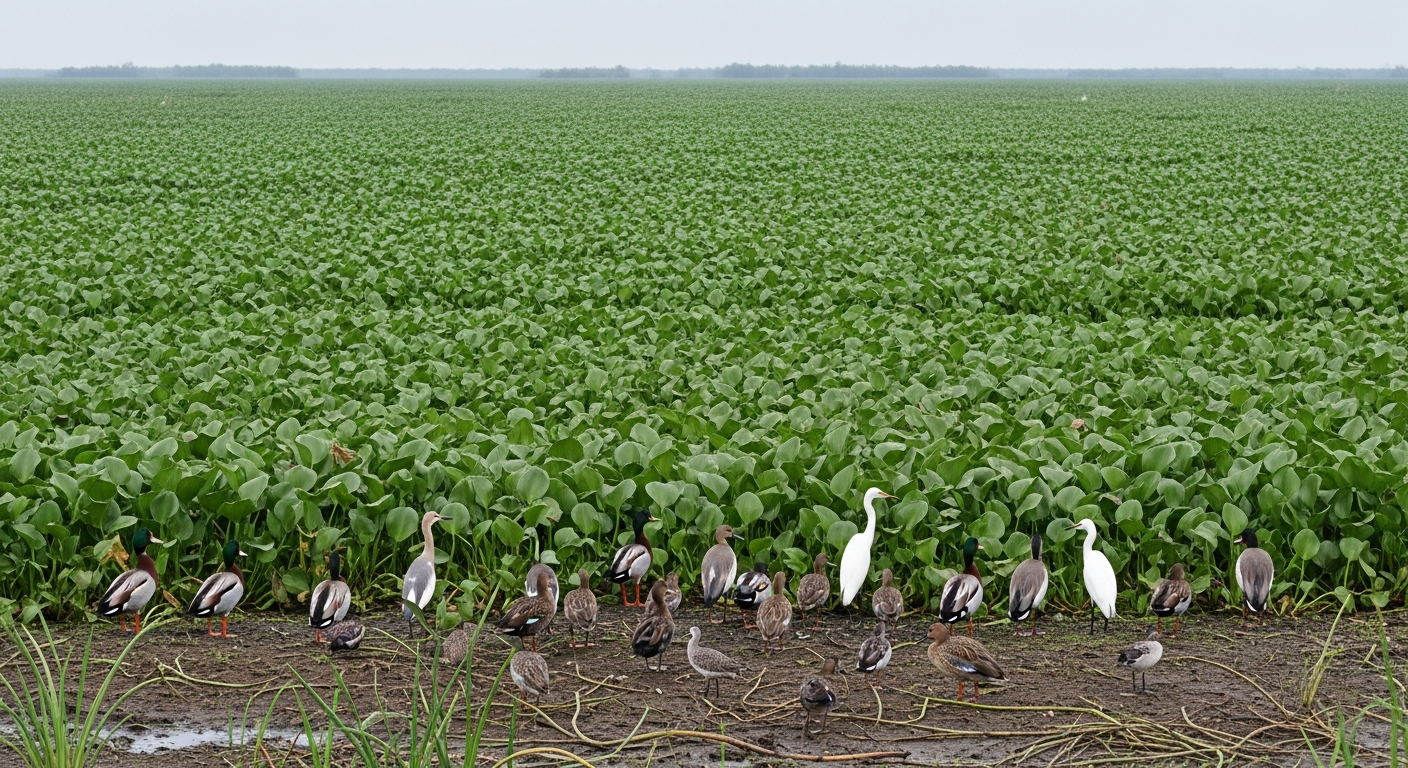
Climate change interacts with invasive species dynamics in complex ways, but the direction of interaction for thermophilic invasive plants like Ludwigia peploides is generally unambiguous: warming temperatures increase invasion potential, extend growing seasons, reduce the climatic barriers that currently limit northern range boundaries, and shift competitive balances toward species with higher thermal optima. Understanding these interactions is essential for anticipating future invasion trajectories and adapting management strategies to the changing biological landscape of freshwater ecosystems.
Projected Range Expansion
Climate niche modeling — projecting the current climatic envelope of L. peploides onto future climate scenarios — consistently predicts substantial northward range expansion in Europe and poleward shifts in both North America and Australia under 21st-century warming scenarios. Models using the CLIMEX, MaxEnt, and BIOCLIM algorithms and IPCC emissions scenarios (RCP 4.5 and RCP 8.5) typically project that areas currently too cool for reliable population establishment — southern England, the Netherlands, northern Germany, Denmark — will become climatically suitable for L. peploides within 30–50 years.
The critical climatic threshold appears to be the frequency of hard winter frosts (below -10°C) that can kill overwintering rhizomes, and mean summer water temperatures that determine growth rates and competitive advantage. As the frequency of severe winter cold decreases in northern Europe, and mean summer temperatures increase, the marginal climatic suitability of these regions transitions to suitable. This range expansion potential adds urgency to current management efforts — containing invasions now is far more cost-effective than managing a geographically expanded invasion in three decades' time.
Phenological Shifts and Growing Season Extension
Phenology — the seasonal timing of biological events — is shifting under climate warming. For L. peploides, warming spring temperatures advance the date of rhizome regrowth initiation, potentially by 2–4 weeks by mid-century under moderate warming scenarios. Earlier spring growth onset gives the invasive plant a competitive head start over native species with more conservative spring phenology, potentially amplifying competitive dominance. Similarly, warmer autumn temperatures delay senescence, extending the productive growing season by 2–6 weeks and increasing end-of-season biomass and propagule production.
These phenological changes also shift the optimal window for management interventions. Herbicide applications calibrated to the timing of rhizome translocation will need to be recalibrated as phenology shifts, and management programs that track only calendar dates rather than plant growth stages will lose efficacy as conditions change.
Extreme Weather Events and Dispersal
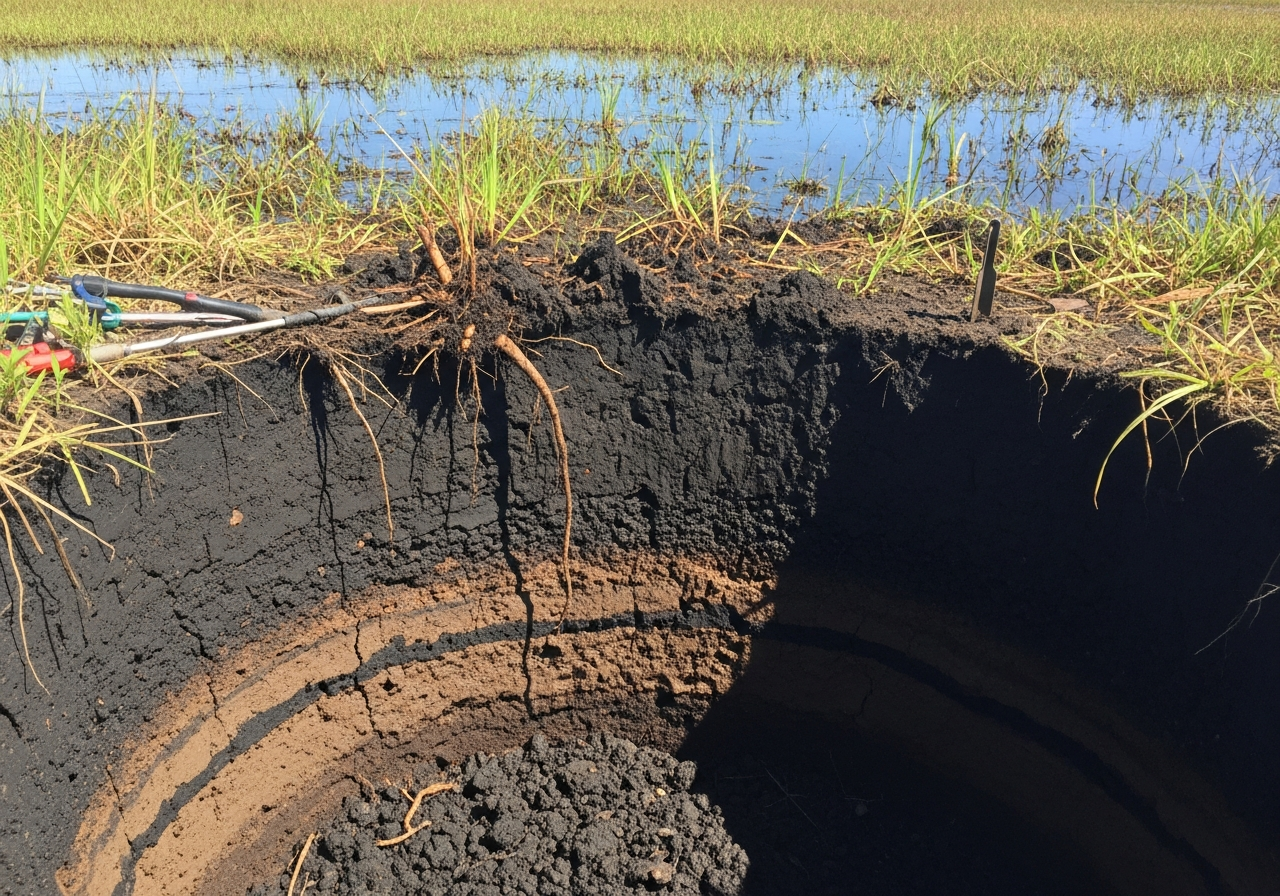
Climate change projections include not only gradual temperature increases but also changes in the frequency and intensity of extreme weather events — particularly intense rainfall events, droughts, and extreme floods. For L. peploides, these extreme events interact with invasion dynamics in several ways. High-flow flood events transport large quantities of plant fragments and seeds downstream, potentially dispersing propagules across previously uninvaded reaches of river networks in single events. The documented pattern of major colonization events following extreme floods in French river systems supports this dispersal pathway. Conversely, severe prolonged droughts that completely desiccate wetlands and pond habitats can eliminate established populations but also expose riparian soils to desiccation and disturbance that favours rapid recolonization when water returns.
Native Species Vulnerability Under Climate Stress
The competitive relationship between L. peploides and native aquatic species is likely to shift further in favour of the invasive under climate warming. Native temperate macrophyte communities — adapted to the historical thermal regime of their water bodies — will experience increasing physiological stress as summer temperatures exceed their optimal ranges. Meanwhile, the thermophilic L. peploides will be operating closer to its own thermal optimum. This differential stress response will widen the competitive advantage of the invasive, even without considering other climate-mediated changes such as altered hydrological regimes and nutrient dynamics. The combination of direct thermal stress on native species and competitive release for the invasive could accelerate community transformation beyond what would be predicted from invasion biology alone.
Conclusion
Climate change is not a future threat to L. peploides management — it is an active and accelerating influence on current invasion dynamics. Managers and policymakers must incorporate climate projections into long-term management planning: investing in early detection infrastructure at the expanding range frontier, adapting management timing to phenological shifts, preparing biosecurity responses for increased dispersal during extreme flood events, and updating invasive species risk assessments to reflect climate-modified suitability maps. The window for cost-effective prevention and early intervention at the northern European range boundary is open now — acting within this window will determine whether climate change amplifies an already severe management challenge into an effectively unmanageable one.