Ludwigia peploides and Water Quality
The impacts of L. peploides on dissolved oxygen, nutrient dynamics, pH, and hydraulic conditions create a cascade of water quality changes with far-reaching consequences for aquatic life and human water uses.
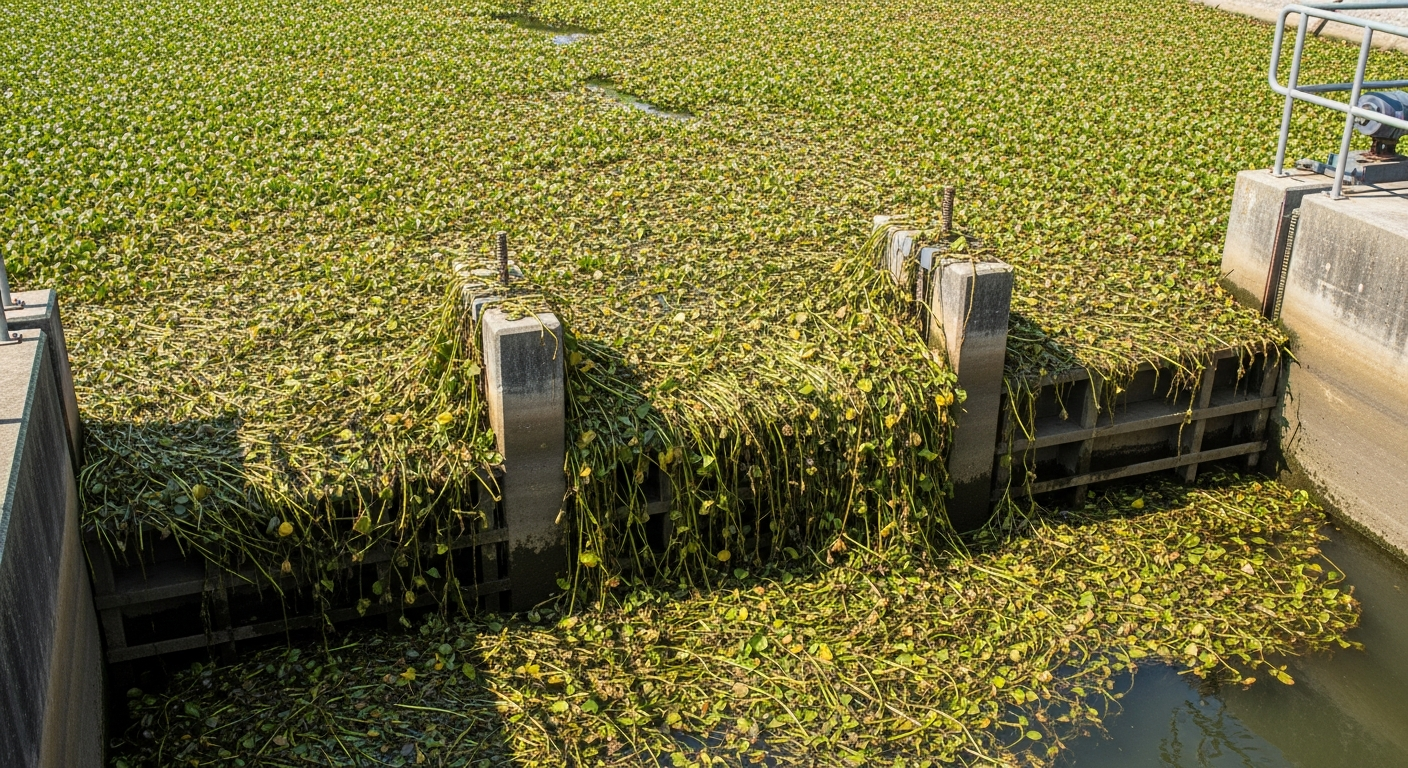
Water quality — the physical, chemical, and biological characteristics that determine the suitability of water for ecological function and human use — is profoundly altered by large-scale Ludwigia peploides invasion. These alterations are not superficial aesthetic changes but fundamental shifts in the chemical environment that determine the survival and function of aquatic organisms. Understanding the mechanisms by which L. peploides degrades water quality is essential for predicting ecological impacts, evaluating management priorities, and communicating the case for intervention to water management authorities and policymakers.
Dissolved Oxygen Dynamics
The impact of L. peploides on dissolved oxygen is the water quality change with the most immediate and severe ecological consequences. Dense mats create a system of extreme diurnal oxygen variability in the water column beneath. During daylight hours, photosynthesis by mat leaves produces oxygen — but this oxygen is largely released to the atmosphere from the mat surface rather than dissolving into the water below. The mat structure impedes wind-driven mixing and diffusion, restricting oxygen transfer from the surface to the water column. At night, respiration by the dense plant biomass (which can represent several kg of dry matter per square meter) and the microbial decomposition of dead plant material at the sediment surface consumes oxygen rapidly.
Empirical measurements in invaded French water bodies during summer document pre-dawn dissolved oxygen concentrations below 2 mg/L in water beneath dense L. peploides stands — well below the 4–5 mg/L threshold for chronic stress in most fish species and the 2 mg/L threshold for acute stress responses. These hypoxic conditions are lethal to sensitive species over days to weeks of repeated exposure, contributing to the documented fish kills associated with heavy summer invasions in some European sites.
Nutrient Cycling Alterations
The relationship between L. peploides invasion and water column nutrient concentrations is complex and temporally dynamic. Actively growing mats absorb dissolved inorganic nitrogen and phosphorus from the water column and immobilize these nutrients in plant biomass — potentially reducing available nutrient concentrations during the growing season. However, the eventual senescence of large quantities of plant biomass in autumn, combined with the reducing sediment conditions created beneath the mat, releases this sequestered nutrient capital back into the water column during a period when it can fuel algal growth in the following spring.
More critically, the anoxic conditions in sediment beneath L. peploides stands cause the dissolution of iron-phosphorus mineral complexes that represent the major pool of sediment-bound phosphorus in many water bodies. This internal phosphorus loading mechanism can maintain elevated water column phosphorus concentrations for years after plant removal, creating a positive feedback for eutrophication that persists beyond the invasion itself.
pH and CO₂ Dynamics
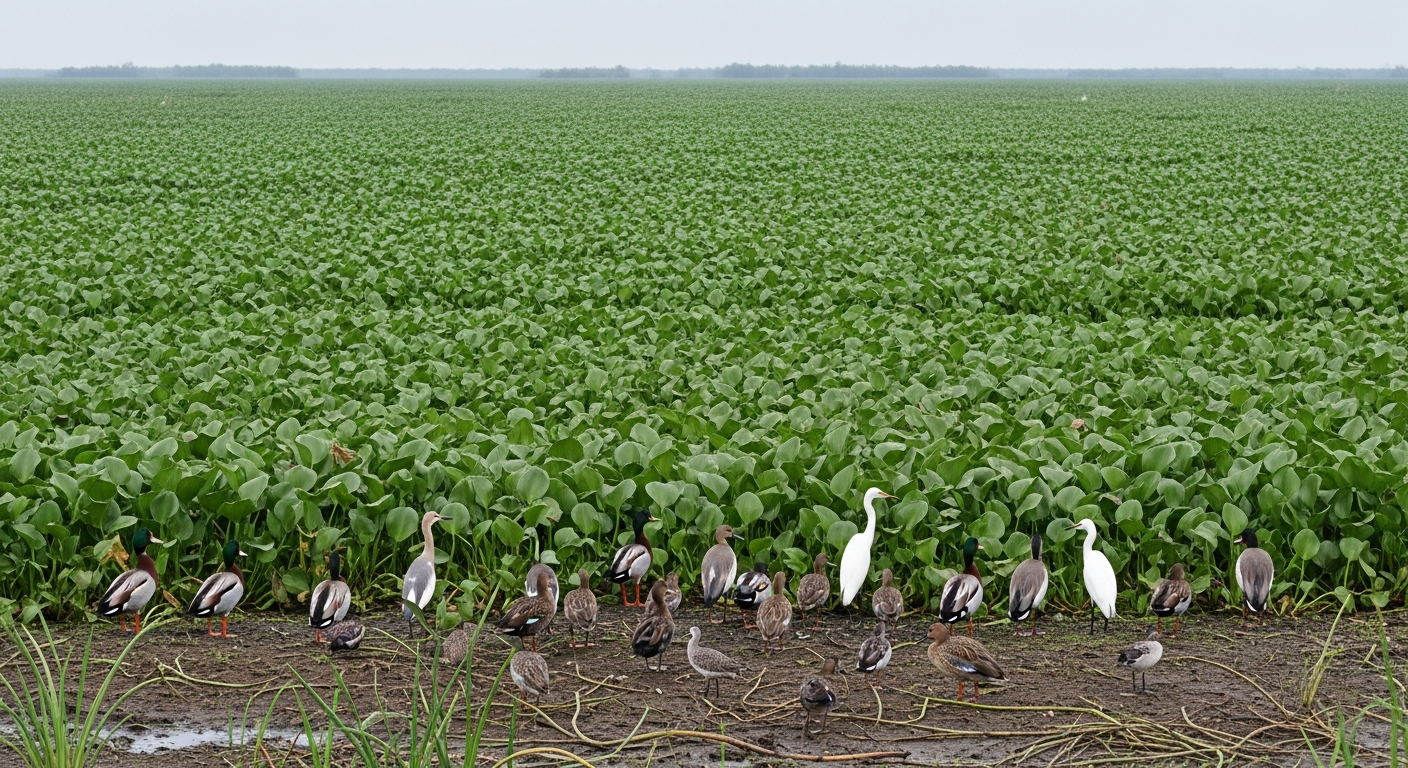
The intense photosynthetic activity of dense L. peploides mats during daylight causes rapid drawdown of dissolved CO₂ from the water column. As CO₂ is the primary buffer compound in most fresh water systems, its removal drives a sharp increase in pH — values of 9–10 are commonly recorded in water adjacent to dense mats during afternoon peak photosynthesis. Conversely, the release of CO₂ from plant and microbial respiration at night drives pH down to 6.5–7 by early morning. These diurnal pH swings of 2–3 units create physiological stress for organisms with limited acid-base regulatory capacity, including fish eggs, larvae, and many invertebrate species.
Light, Turbidity, and Temperature
Light reaching the water beneath L. peploides mats is reduced by 90–99%, effectively eliminating photosynthesis by submerged macrophytes and severely limiting phytoplankton growth. This light exclusion profoundly alters the energetic base of the aquatic food web. Water temperature effects compound other stressors: the insulating and shading effect of mats raises sub-mat water temperatures by 2–4°C on warm summer days, creating conditions thermally unsuitable for salmonid species that require cool, well-oxygenated conditions.
Conclusion
The water quality impacts of L. peploides invasion are multidimensional and mutually reinforcing: hypoxia, pH extremes, altered nutrient dynamics, light exclusion, and elevated temperature interact to create an environment increasingly hostile to the diverse native aquatic community while remaining tolerable to the invasive plant itself. The Water Framework Directive in Europe and equivalent freshwater quality frameworks globally provide regulatory context for managing these water quality impacts — L. peploides invasion is increasingly recognized as a driver of failure to achieve good ecological status under these frameworks, strengthening the regulatory case for management investment.