Ludwigia peploides in Hawaii and Pacific Islands
The invasion status, unique ecological vulnerabilities, and biosecurity challenges posed by Ludwigia peploides in Hawaii and Pacific Island freshwater ecosystems.
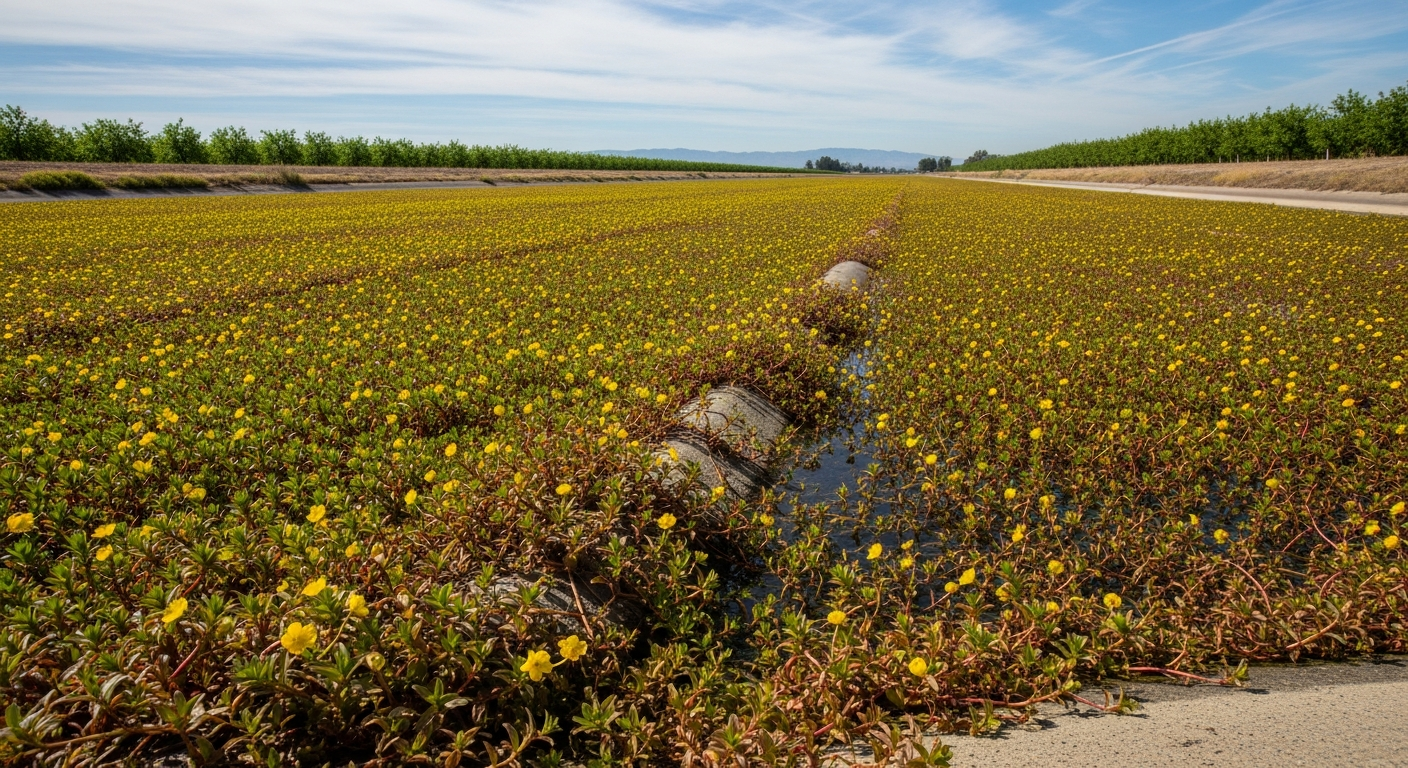
Hawaii and the Pacific Islands represent some of the world's most ecologically vulnerable regions to aquatic invasive plants. The combination of globally unique endemic freshwater biota, year-round warm temperatures ideal for Ludwigia peploides growth, and the difficulty of achieving complete biosecurity for island ecosystems creates exceptional invasion risk. This article examines the Hawaiian distribution and threat context. For the global distribution overview, see Where Is Ludwigia peploides Found?
Hawaii's Freshwater Ecological Context
Hawaii's freshwater ecosystems are among the most ecologically unique on earth. Isolated in the central Pacific for millions of years, native Hawaiian freshwater biota evolved in the complete absence of the invasive pressures that shaped continental freshwater communities. Native stream fish (gobies and eleotrid fish of the genus Awaous, Stenogobius, Eleotris, and others), endemic freshwater invertebrates, and native waterbirds occupy freshwater habitats that have been significantly degraded by wetland drainage, water diversion, introduced fish, and other stressors. The addition of a highly aggressive invasive macrophyte capable of converting open water and marsh habitats to monoculture mats represents a severe additional threat to an already stressed system.
Known Distribution in Hawaii
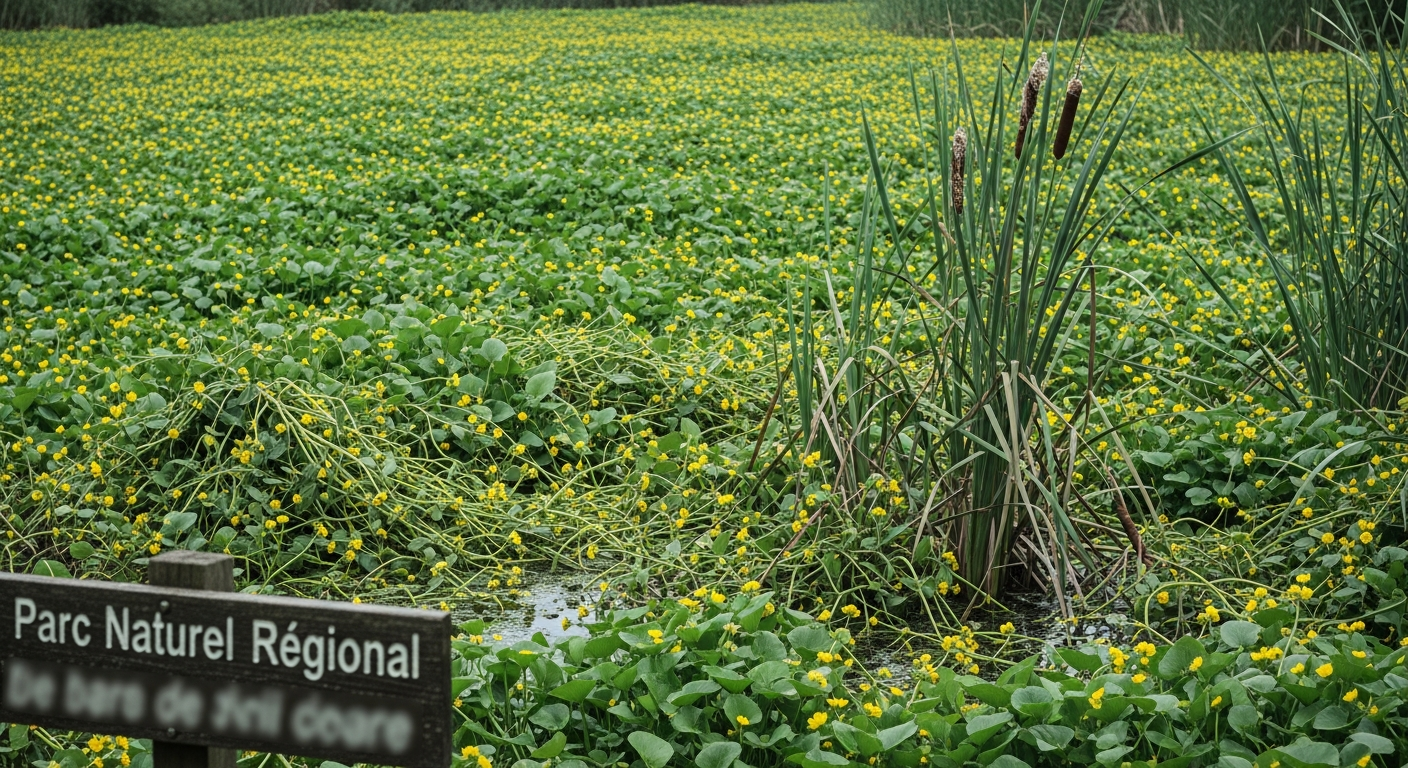
Documented occurrences of L. peploides and related water primrose species in Hawaii are concentrated on the two largest islands — Maui and Hawaii (the Big Island) — where freshwater habitats, irrigation infrastructure, and taro cultivation systems provide suitable colonization habitat. On Maui, the Central Maui plains and the associated irrigation network present significant invasion risk. On Hawaii Island, freshwater wetlands in the Hilo area and agricultural wetlands along the Hamakua Coast are at risk. Kauai, known for its extensive taro cultivation in the Hanalei Valley (a National Wildlife Refuge), is considered at high risk but has documented more limited invasions to date. The state of Hawaii has listed Ludwigia species as a pest plant and has implemented monitoring programs, but comprehensive island-wide survey data are not publicly available at fine resolution.
Ecological and Cultural Threats
Beyond the threat to native biota, L. peploides poses a direct threat to traditional Hawaiian taro (Colocasia esculenta) cultivation. Lo'i kalo — flooded taro paddies — are a culturally foundational Hawaiian agricultural system with deep spiritual significance. Ludwigia invasion of lo'i displaces taro plants, blocks irrigation flows, reduces water quality, and makes cultivation impractical. Several lo'i on Oahu and Maui have been impacted. The cultural dimension of this threat — to practices that are central to Hawaiian cultural identity and revitalization efforts — adds urgency to management actions beyond the purely ecological and economic framing that typically drives invasive plant management priorities. Hawaiian endemic waterbirds, including the federally endangered Hawaiian duck (Anas wyvilliana) and Hawaiian stilt (Himantopus mexicanus knudseni), depend on freshwater wetland habitats that are threatened by Ludwigia mat formation and the associated loss of open water and aquatic invertebrate resources.
Management Response
The Hawaii Department of Land and Natural Resources (DLNR) and the US Fish and Wildlife Service (USFWS) have active programs addressing aquatic invasive plants including Ludwigia. Given Hawaii's island geography, management emphasis is on prevention and early detection — removing newly established populations before they can expand into the extensive suitable habitat available across the islands' freshwater and wetland systems. Herbicide options are limited in taro paddies and other culturally sensitive water bodies, making manual removal the preferred method in many sites. The cost and labor intensity of manual removal in island contexts are significant constraints. For cost comparison between methods, see our DIY vs Professional Removal analysis.
Prevention Priorities for Pacific Islands
The prevention priorities for Hawaii and Pacific Islands differ from mainland contexts because of the island biosecurity context — preventing introduction is more feasible and more critical than on continents where the invasion front is already extensive. Key prevention measures include: (1) strict regulation of water primrose species in the inter-island and international aquatic plant trade; (2) inter-island boat and equipment inspections targeting transfer of aquatic invasive species; (3) targeted monitoring of high-risk sites — water garden nurseries, golf course water features, botanical garden water features — where ornamental introductions might escape; (4) public education in the diving, snorkeling, and water recreation community; and (5) rapid response protocols for newly detected infestations. The Prevention and Biosecurity guide provides a full framework for these programs.
Conclusion
Hawaii's unique ecological context — globally unique endemic freshwater biota, year-round warm temperatures, and culturally significant freshwater agricultural systems — makes Ludwigia peploides invasion an exceptionally serious threat. The current distribution, while concerning, is not yet at the scale of the California Delta or French river invasions. Hawaii is in the window where prevention and early removal programs can still make a decisive difference — the window that other invaded regions allowed to close. Protecting Hawaii's extraordinary native freshwater ecosystems from this threat requires sustained investment in both prevention and early management.