Permit Requirements for Aquatic Herbicide Treatment
Navigating Section 404, state aquatic pesticide permits, ESA consultations, and water board notifications before treating Ludwigia peploides with herbicides in US water bodies.
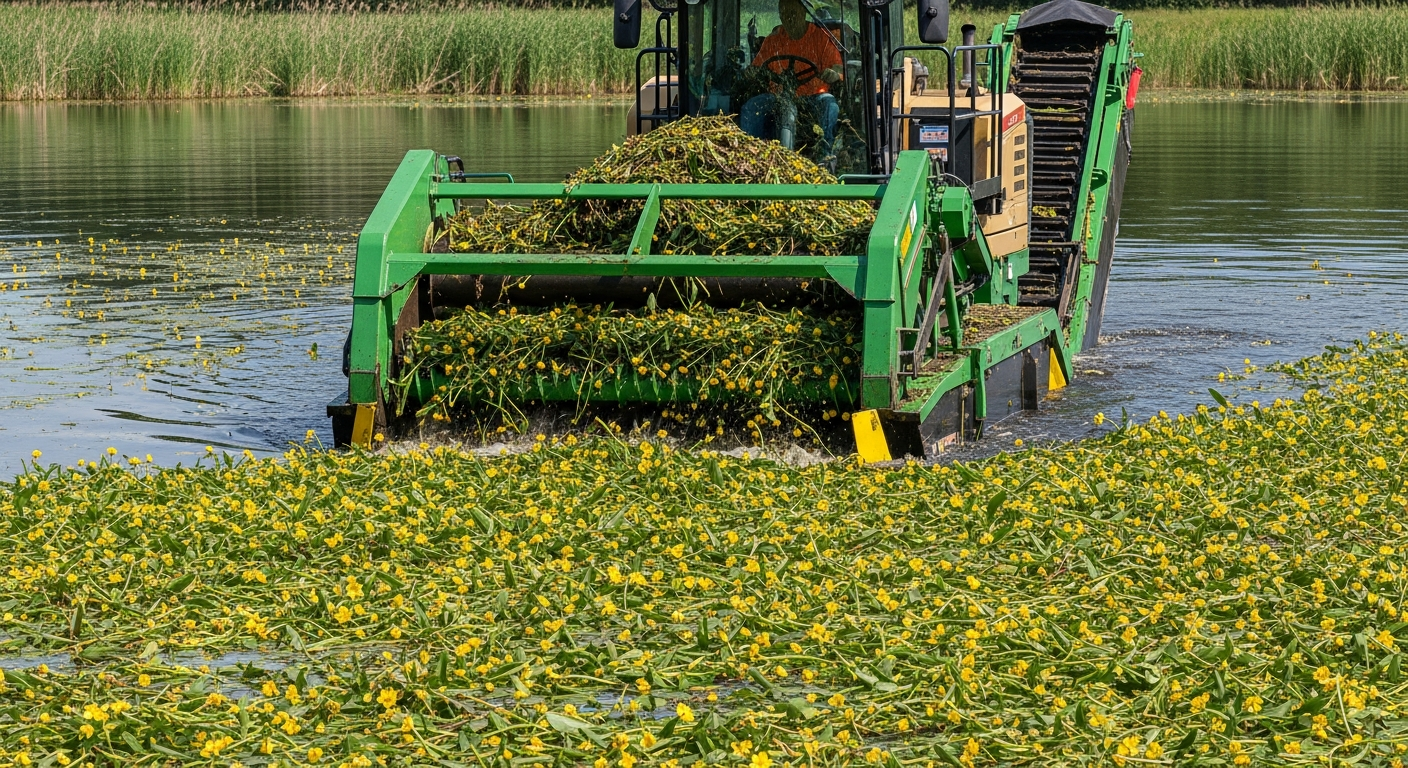
Applying herbicides to control Ludwigia peploides in water bodies is one of the most heavily regulated activities in environmental management. The regulatory framework — involving federal, state, and sometimes local permits — exists to protect water quality, non-target species, and public health, but it creates a complex and time-consuming process that must be navigated before any chemical treatment can legally proceed. This guide provides a roadmap for the permitting process. For herbicide selection, see Best Herbicides for Ludwigia. For cost implications, see Herbicide Treatment Pricing.
Federal Requirements
Federal Insecticide, Fungicide, and Rodenticide Act (FIFRA): All pesticide applications in the US are governed by FIFRA, administered by EPA. The label of each pesticide product is a legally binding document — applying a pesticide in a manner inconsistent with its label is a federal violation. Only herbicide products with aquatic use language on the label may legally be applied to or near water. Verify the label before purchasing any product for aquatic use. Clean Water Act Section 402 (NPDES): Some aquatic pesticide applications require coverage under a National Pollutant Discharge Elimination System (NPDES) permit or a pesticide general permit (PGP). EPA's Pesticide General Permit for Aquatic Pesticide Applications provides blanket coverage for many routine aquatic herbicide applications in non-restricted areas, but requires prior notification in some cases. Clean Water Act Section 404: Mechanical removal of aquatic vegetation may trigger Section 404 review if it involves discharge of fill or dredged material into waters of the US. NWP 27 (Aquatic Vegetation Management) provides coverage for most routine management activities without individual permit application.
State Aquatic Pesticide Permits
All US states with significant aquatic ecosystems have state-level aquatic pesticide permitting requirements, which typically are more stringent than federal requirements. Common state requirements include: Aquatic Pesticide Use License: The individual applying herbicide must hold a state commercial pesticide applicator license with aquatic pest control certification. Licensing requires passing an examination and completing continuing education. Notice of Intent (NOI): Most states require a Notice of Intent to apply aquatic pesticides to be submitted to the state water quality agency (typically the state water board or department of environmental quality) 30–60 days before treatment. The NOI specifies the water body, herbicide, application rate, treatment area, and applicator. Water Board Notification: In California, Regional Water Quality Control Board notification is required for most aquatic herbicide applications. Review periods of 30–60 days apply. Some boards add specific conditions to notifications — such as water use restrictions, mandatory monitoring, and post-treatment reporting requirements.
Endangered Species Act (ESA) Consultation
The ESA's Section 7 consultation requirement applies when a federal nexus exists — typically when the treatment requires a federal permit or is conducted on federal land. If the treatment area overlaps with the designated critical habitat or the known or likely habitat of a federally listed species, formal or informal ESA consultation with the US Fish and Wildlife Service (USFWS) or NOAA Fisheries (for aquatic species) is required. In California, the Delta smelt (Hypomesus transpacificus) and several salmon and steelhead runs create an extensive ESA consultation burden for Ludwigia treatments in the Sacramento-San Joaquin Delta — a primary reason why the Delta management program requires substantial coordination and expertise. For smaller sites without federal permits and outside listed species habitat, ESA consultation may not be required. Consult with a qualified environmental consultant or your local USFWS office before concluding that ESA applies or does not apply to your project.
Realistic Permit Timelines
Permitting timelines are one of the most common sources of delays in aquatic invasive plant management programs. Realistic timelines: Simple site, no listed species: State NOI and water board notification — 30–60 day processing. Begin the process at minimum 60 days before the desired treatment window. Moderate complexity (public waterway, multiple agencies): 3–6 months for all approvals. Begin 6 months in advance of the treatment window. High complexity (listed species, federal lands, multiple water body connections): 6–18 months. Begin the permitting process at least a year before the first planned treatment. Annual renewal: Subsequent years typically require annual NOI renewal (shorter lead time, often 30 days) and updated monitoring reports from the prior year. Establish a permitting calendar that tracks all renewal dates and required submissions.
Permitting Success Tips
Experienced practitioners suggest the following for navigating the permitting process: (1) Engage a licensed aquatic pest management consultant early — professionals who work regularly with regulatory agencies understand the process and have established relationships that can facilitate efficient review. (2) Begin the process at least twice as early as you think necessary — unexpected information requests, species surveys, or inter-agency coordination can add months to timelines. (3) Provide comprehensive, high-quality NOI documentation — complete and accurate applications with detailed site maps, species lists, and treatment plans receive faster, smoother review than incomplete applications. (4) Communicate proactively with regulatory staff — calling to introduce yourself and your project before submitting the formal application often facilitates faster processing. (5) Plan for water use notification requirements — some permits require notification to downstream water users (municipal water districts, irrigation districts) before treatment; incorporate this into your planning timeline.
Conclusion
The regulatory framework governing aquatic herbicide treatment exists to protect water quality and non-target species — and compliance with these requirements is non-negotiable. The permitting process is complex and time-consuming, but it is navigable with professional assistance and advance planning. Begin permitting well before your desired treatment window, engage experienced professional applicators, and build permit timelines into your multi-year management calendar. Treatment conducted without required permits can result in significant fines, remediation requirements, and program termination — making compliance not just an ethical obligation but an essential management risk management measure.