Post-Management Restoration After Ludwigia peploides Control
Controlling L. peploides is only the first step — the legacy effects on sediment chemistry, native seed banks, and community structure often require active ecological restoration to achieve meaningful recovery.
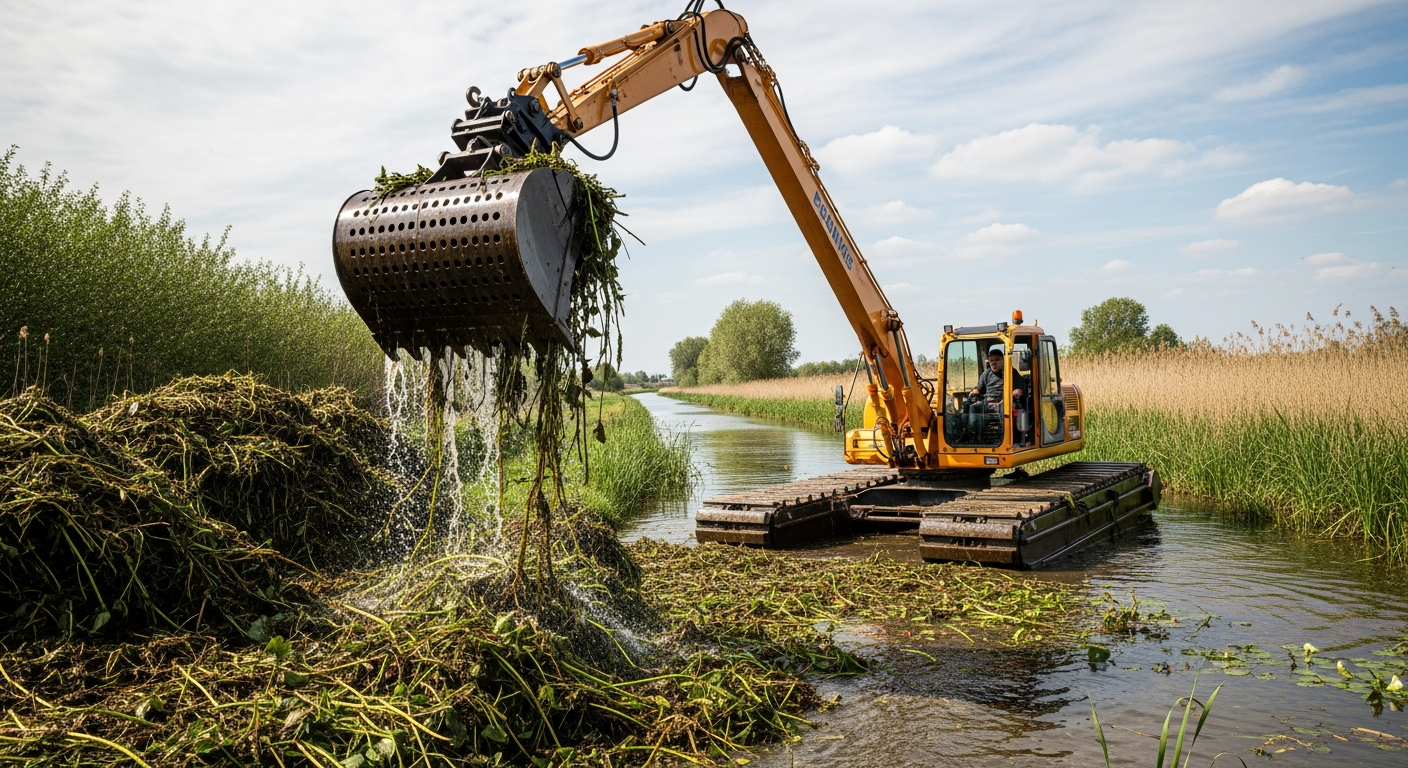
The successful control of Ludwigia peploides populations — reducing plant cover and preventing regrowth — is a necessary but insufficient condition for ecological recovery. Long-established invasions alter the physical, chemical, and biological environment of invaded water bodies in ways that persist after plant removal, creating legacy conditions that impede natural recolonization by native species and in some cases actively facilitate reinvasion by invasive opportunists. Understanding and actively addressing these legacy effects is essential for translating management success into ecological recovery.
Legacy Effects of Long-Term Invasion
The most significant legacy effects of L. peploides invasion that impede post-management recovery include: depletion of native plant seed banks through light exclusion and competitive dominance; persistence of viable L. peploides seeds in the sediment for 2–5 years; elevated phosphorus in the water column following oxidation of previously reducing sediment; altered sediment texture from deposition of organic debris; loss of native macroinvertebrate community diversity and biomass; and absence of native plant colonists to re-establish structural habitat for invertebrates and fish.
The severity and duration of these legacy effects scales with invasion age and intensity. Water bodies invaded for less than 2 years often show rapid natural recovery if management is thorough, because native seed banks are partially intact and sediment chemistry has not been extensively modified. Invasions persisting for 5+ years create deeper ecological deficits that require active restoration intervention to address within ecological time scales.
Native Vegetation Restoration
Active replanting of native aquatic vegetation can dramatically accelerate ecological recovery by re-establishing structural habitat and competitive resistance to reinvasion. Appropriate species selection is site-specific and should be based on historical records of native vegetation communities, local environmental conditions (depth, substrate, water chemistry), and the functional roles requiring restoration. Submerged macrophytes that provide light competition against potential L. peploides seedling recruitment are particularly valuable restoration targets — species such as Elodea nuttallii, Ranunculus aquatilis, and Myriophyllum spicatum can establish dense canopies that impede L. peploides seedling survival.
Restoration planting should use local-provenance native species sourced from reputable suppliers and propagated under conditions that minimize contamination with other invasive species — a risk that has caused well-intentioned restoration efforts to introduce additional invasive species in past programs. Planting timing should target early spring to maximize establishment before summer growing season.
Sediment Remediation
Elevated sediment nutrient concentrations following L. peploides management can sustain internal eutrophication for years to decades after plant removal. Management options for this nutrient legacy range from passive (allowing natural sediment reoxidation and nutrient binding over time) to active (chemical amendment with aluminium or iron compounds to bind phosphorus, or physical sediment dredging in the most severely affected cases). The choice depends on the severity of nutrient loading, the sensitivity and conservation value of the water body, and the resources available for restoration.
Recovery Monitoring Protocols
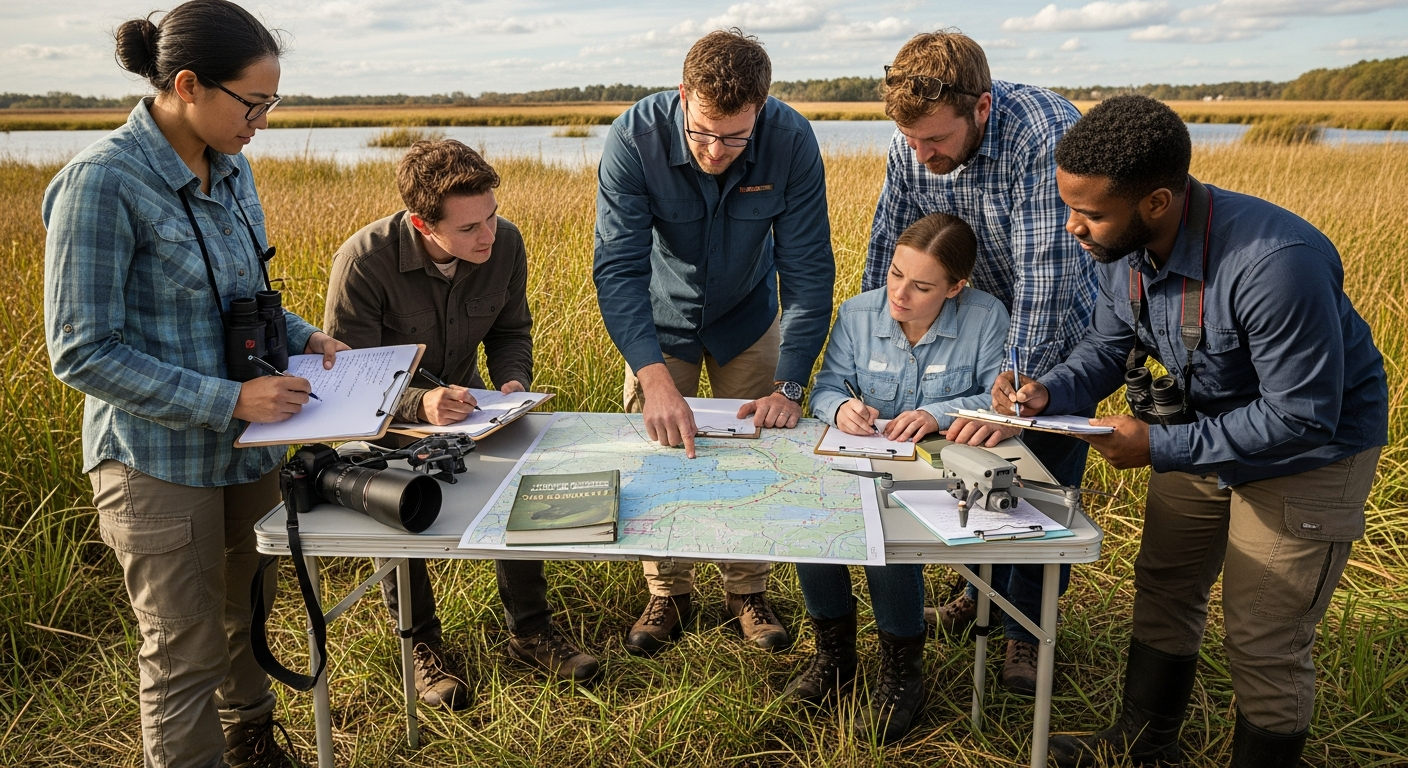
Post-management monitoring is essential for two purposes: detecting L. peploides resurgence from seed banks or reinfestation, and assessing the trajectory of ecological recovery. A minimum monitoring protocol should include annual plant community surveys (target and native species cover), biennial macroinvertebrate community sampling at standardized sites, and water quality monitoring (nutrient concentrations, dissolved oxygen, transparency) at key time points. This monitoring should continue for at least 5 years post-management to capture seed bank depletion cycles and detect any pattern of reinfestation from adjacent source populations.
Conclusion
Post-management restoration is the bridge between controlling L. peploides and recovering the ecological functionality of invaded water bodies. Investment in active restoration — native species replanting, sediment management, and sustained monitoring — transforms management from an exercise in damage limitation into a positive ecological recovery program. The restoration phase should be planned and budgeted as part of the initial management program, not added as an afterthought once control has been achieved. This integrated approach to management and restoration represents the current state of best practice for achieving lasting ecological benefit from L. peploides control investments.