Cost-Benefit Analysis of Ludwigia peploides Management
Justifying management investment requires understanding both the full economic costs of invasion and the economic value of the ecosystem services that management protects — a framework that consistently supports action against L. peploides.
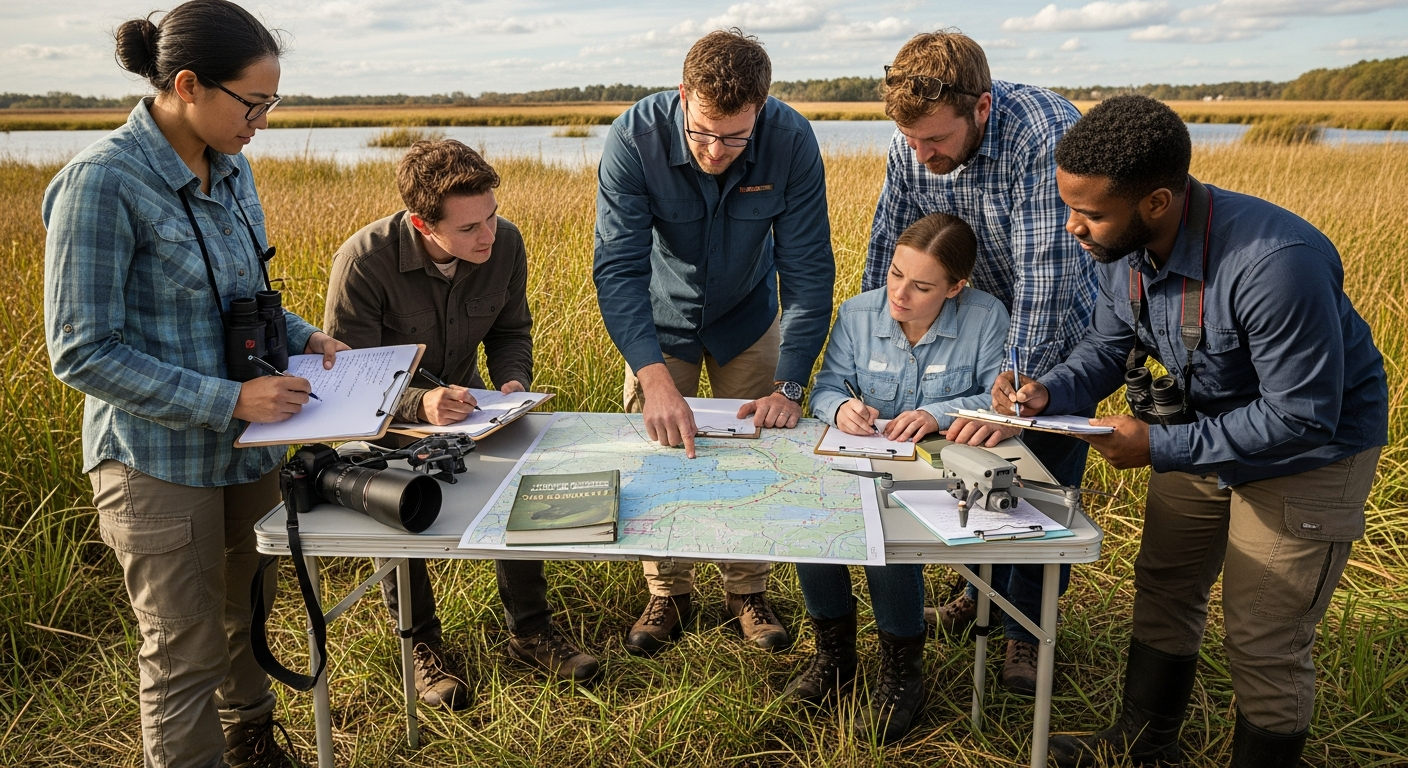
Decisions about management investment in invasive species control ultimately depend on demonstrating that the value of benefits achieved by management exceeds the costs of achieving them. For Ludwigia peploides, this analysis must account for both the direct costs of management operations and the diverse economic benefits of avoiding invasion — or recovering from it. When all relevant costs and benefits are included, the economic case for management is consistently strong, but requires transparent and rigorous assessment to communicate effectively to funders and decision-makers.
Direct Management Costs
Management costs encompass multiple categories beyond direct labour and materials. Labour — skilled professional staff and equipment operators — typically represents 50–70% of total management costs in manual and herbicide programs. Equipment purchase or hire (aquatic harvesters, drone survey systems, safety equipment) represents 15–30%. Regulatory compliance — permit applications, environmental impact assessments, professional certifications — adds 10–20% overhead but is non-negotiable in most jurisdictions. Disposal of removed plant material, particularly where landfill fees apply, adds a further cost element that is easy to underestimate in planning.
For mechanically harvested material, disposal costs can be substantial: large harvesting operations generating hundreds of tonnes of wet plant biomass require licensed disposal facilities or composting arrangements. Logistical costs for transporting removed material from water to disposal site can rival the harvesting operation costs themselves in remote or access-constrained sites.
Economic Impacts of Invasion
The economic costs of L. peploides invasion span multiple sectors. Agricultural impacts are most severe in rice-producing regions: French rice cultivation in the Camargue and Vendée regions has documented production losses of 30–100% in severely infested paddies, with associated costs of additional herbicide applications and mechanical clearance of irrigation channels. Annual losses to French agriculture from L. peploides invasion have been estimated at tens of millions of euros, though comprehensive national assessments are limited.
Fisheries impacts are documented but more difficult to quantify economically. The loss of native fish species diversity and abundance in invaded water bodies reduces both commercial and recreational fishing value. Angling clubs on invaded rivers in France, England, and Spain have reported significant declines in catch rates and membership in association with L. peploides spread. Tourism revenue from water-based recreation — boating, swimming, nature watching — is similarly affected by the dense mat coverage and unpleasant appearance of heavily invaded water bodies.
Ecosystem Service Valuation
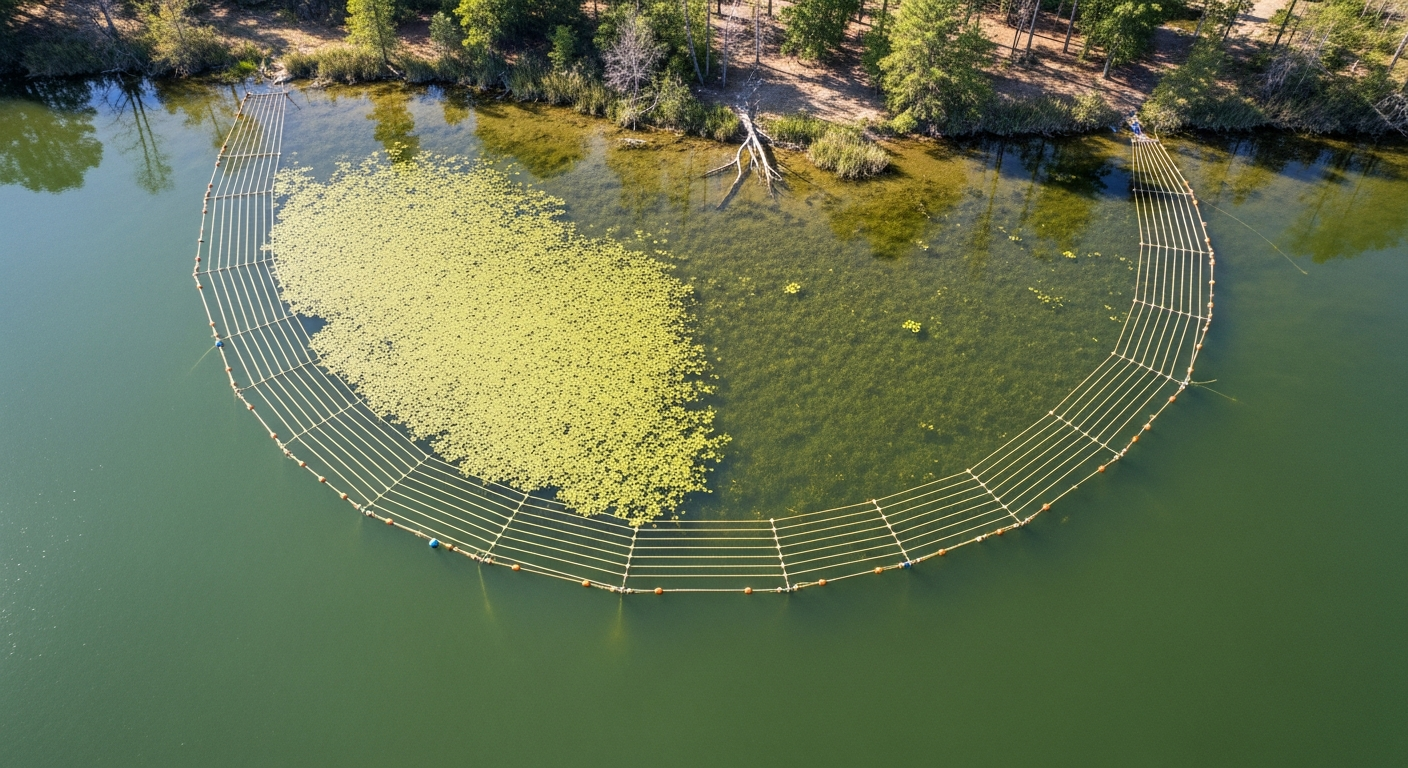
The economic framework of ecosystem services — the benefits that functioning ecosystems provide to human society — provides a powerful basis for justifying invasive species management investment. Fresh water ecosystems provide provisioning services (water supply, fisheries), regulating services (flood attenuation, water purification), cultural services (recreation, aesthetic values, sense of place), and supporting services (biodiversity, nutrient cycling). All of these service categories are degraded by large-scale L. peploides invasion. Economic valuation of these services, using techniques such as contingent valuation, travel cost analysis, and hedonic pricing, can estimate the monetary value at risk from invasion and from successful management.
Investment Justification
When management costs are compared against the combined economic value of avoided invasion damage and recovered ecosystem services, investment in L. peploides management consistently shows positive return on investment, particularly at high-value sites where recreational, agricultural, or conservation values are significant. Early intervention analyses consistently show that spending €10,000–€50,000 per site on rapid response to new invasions averts hundreds of thousands to millions of euros in future management costs and economic losses. The challenge for practitioners is communicating this multi-year, distributed-benefit analysis to decision-makers accustomed to annual budget cycles and immediate return expectations.
Conclusion
The economics of Ludwigia peploides management, when fully assessed, consistently support investment in management and prevention. The challenge is not the underlying economic logic but the practical application: valuing intangible ecosystem services, accounting for future costs and benefits appropriately, and communicating economic arguments effectively to varied stakeholder audiences. Practitioners should invest in building economic cases for management programs — drawing on the growing literature of invasive species economic assessment — to secure the sustained funding commitments that effective multi-year management requires. Prevention, as always, offers the best return on investment and should be the starting point for any economic argument for management spending.