Ludwigia peploides and Ecosystem Impact
From the perspective of plant biology, understanding how the physiological processes of L. peploides drive ecosystem-level changes is fundamental to predicting and managing invasion consequences.
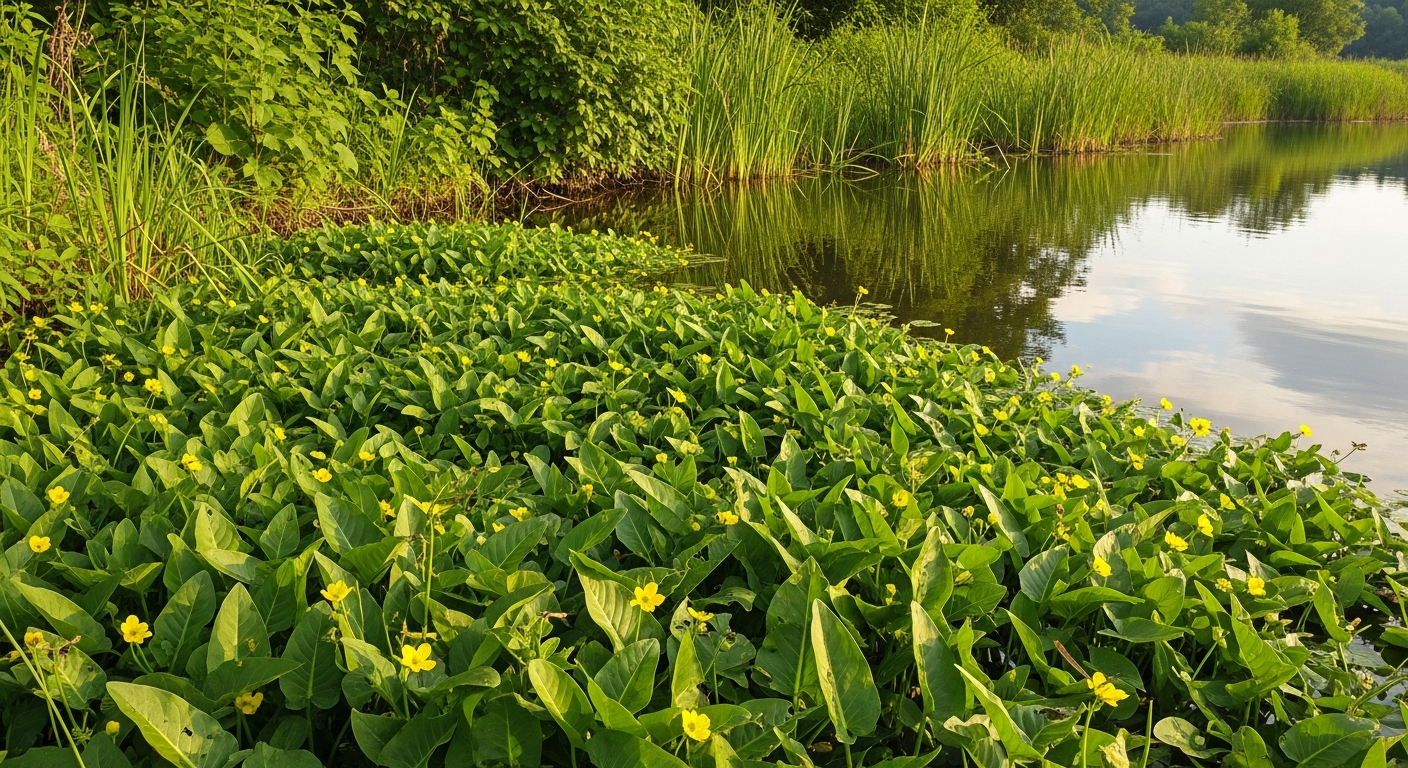
The ecological impacts of Ludwigia peploides invasions are not the passive consequence of simple space occupation — they are the active outcome of the plant's physiological processes interacting with the physical and chemical properties of the invaded water body. Understanding the biological mechanisms by which the plant drives ecosystem change is therefore as much a matter of plant biology as ecology.
Light Attenuation beneath Dense Mats
The structural consequence of L. peploides' high biomass production is the creation of a dense floating canopy that intercepts the majority of incident solar radiation before it reaches the water column. Photometric measurements beneath established mats consistently show light reduction of 90–99% compared to open water adjacent to the mat. Under such conditions, photosynthesis by submerged macrophytes and phytoplankton is effectively impossible, eliminating these primary producers from the system. This light exclusion is one of the primary mechanisms driving the dramatic losses of submerged plant diversity documented in European invaded water bodies.
Dissolved Oxygen Dynamics
The photosynthetic and respiratory metabolism of dense L. peploides mats creates extreme diurnal oxygen fluctuations in the water beneath. During peak daylight hours, photosynthesis by mat leaves produces oxygen in excess of local respiration demand, and dissolved oxygen in shallow water columns can exceed 150% saturation. However, this oxygen surplus is concentrated at the surface and does not penetrate efficiently through the mat to submerged zones. At night, the combination of plant respiration, microbial decomposition of dead plant material, and the absence of photosynthetic oxygen production results in severe oxygen depletion in the water column beneath the mat. Pre-dawn dissolved oxygen concentrations below 2 mg/L — the threshold for acute fish stress — are regularly documented in invaded water bodies during summer.
Sediment Chemistry Transformation
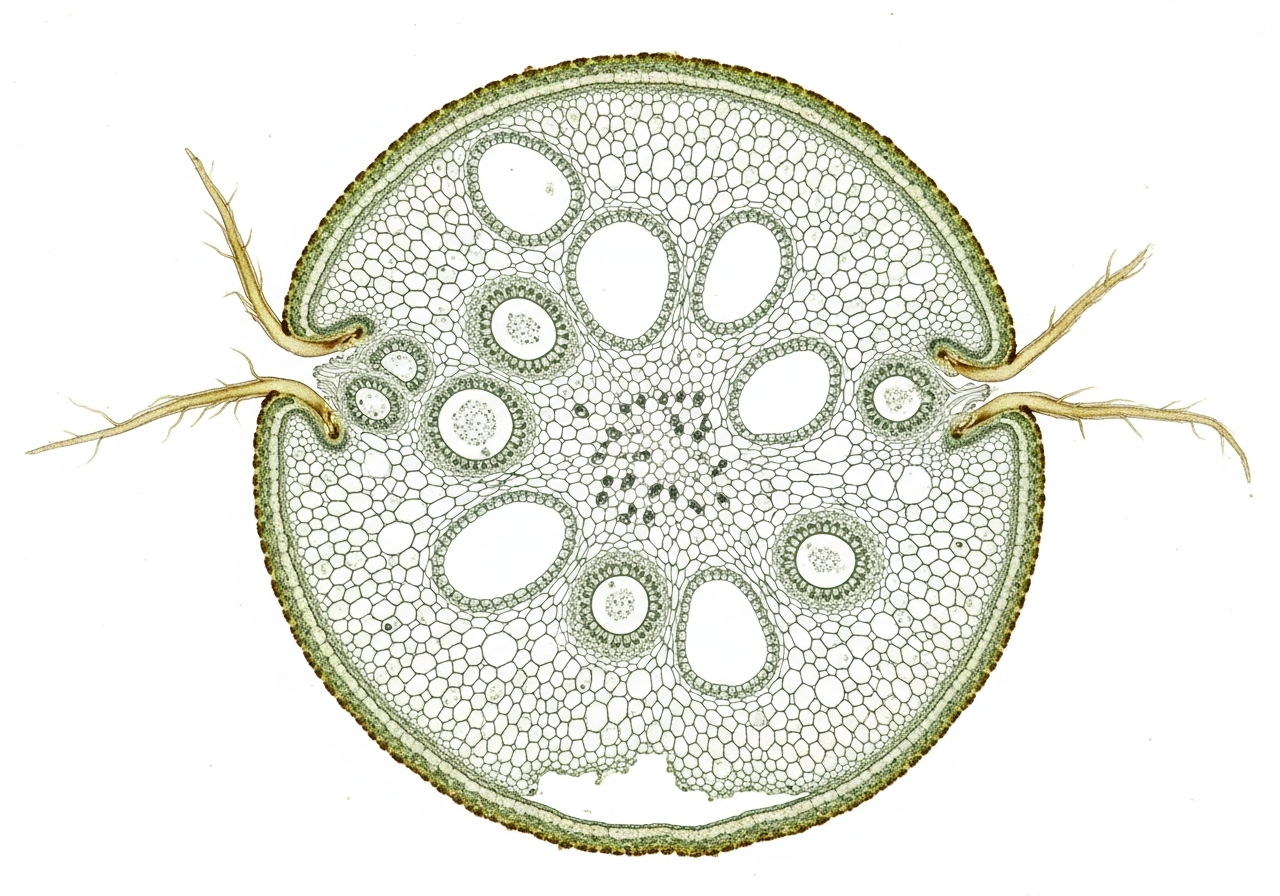
The combination of a dense root mat and the deposition of organic matter from mat senescence creates persistent anoxic conditions in the sediment beneath L. peploides stands. These reducing conditions trigger a cascade of geochemical changes. Iron-bound phosphorus — typically a substantial fraction of total sediment phosphorus — is released from sediment under reducing conditions as ferric iron is reduced to ferrous iron, which has lower phosphorus-binding affinity. This internal phosphorus loading can maintain elevated water column phosphorus concentrations even after plant removal, creating a legacy effect that complicates post-management water quality recovery.
Community Structure Changes
The simultaneous reduction of light, oxygen, and sediment aerobicity produces a fundamental restructuring of the biological community. Native submerged macrophyte species are eliminated or severely reduced beneath the mat. Macroinvertebrate communities shift from diverse assemblages of sensitive taxa (Ephemeroptera, Plecoptera, Trichoptera) toward communities dominated by hypoxia-tolerant chironomid midges and tubificid worms. Fish communities lose sensitive species and may be dominated by air-breathing or hypoxia-tolerant taxa. Waterbird foraging is impaired by reduced visibility and altered prey communities. The net effect is a profound reduction in ecological diversity and functional complexity.
Conclusion
The ecosystem impacts of L. peploides are the mechanistic outcome of its high-productivity plant biology — its capacity to build dense, light-intercepting, oxygen-modifying, sediment-transforming mats. Managing these impacts requires not just removing the plant, but addressing the physico-chemical legacies it leaves behind: altered sediment chemistry, modified seed bank composition, and degraded structural habitat. A biologically informed approach to restoration, accounting for the mechanisms described here, is more likely to achieve lasting recovery than simple mechanical removal alone.