Factors Influencing Ludwigia Germination
Germination ecology determines where and when new populations can establish from seed, and understanding these controls is critical for predicting invasion risk and managing seed bank persistence.
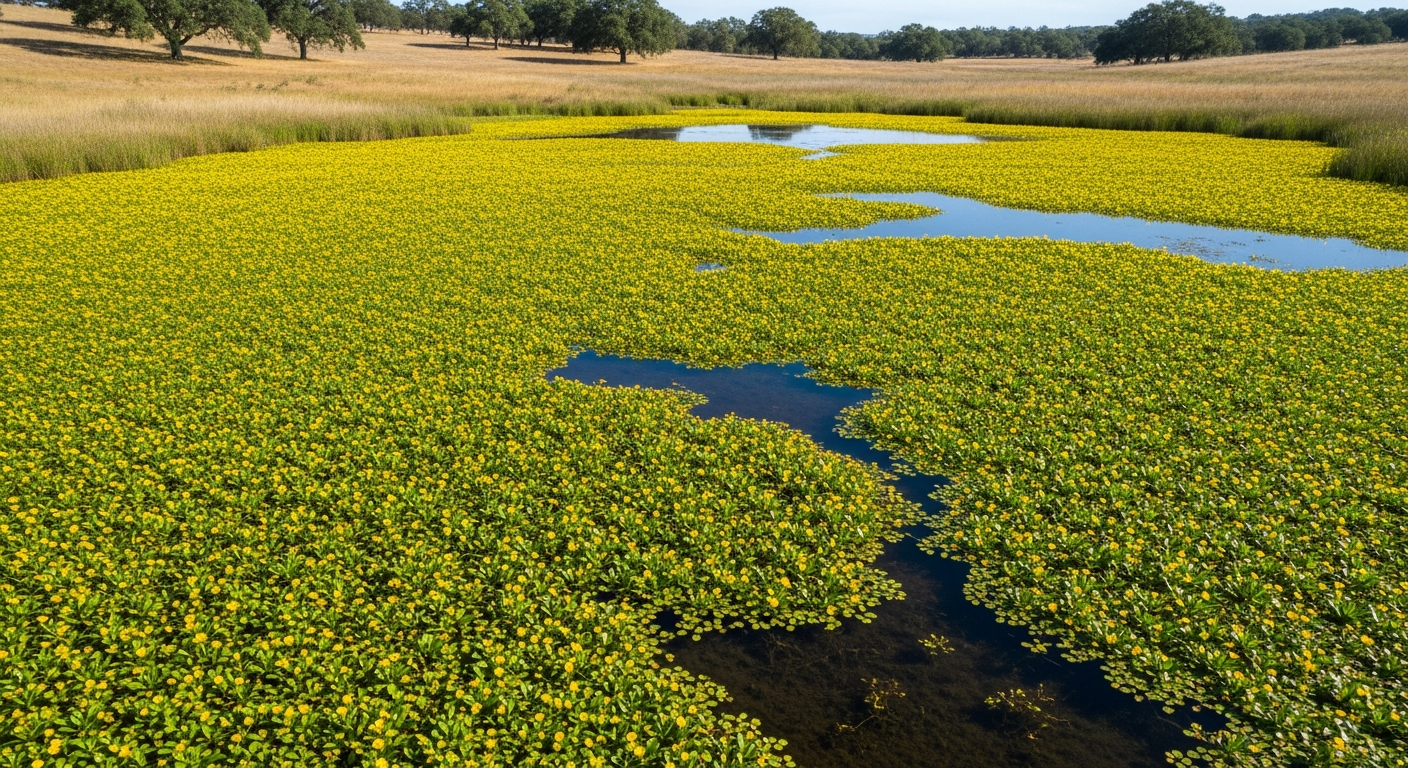
While vegetative propagation dominates in established Ludwigia peploides populations, sexual reproduction through seed production and germination plays a pivotal role in long-distance dispersal and colonization of new water bodies. A single mature plant can produce thousands of seeds annually, dispersed by water currents, waterfowl, and human activities including aquatic recreation equipment and boat hulls.
Understanding the environmental controls on seed germination — particularly temperature, light, water chemistry, and sediment characteristics — is therefore essential for predicting which water bodies are at risk of colonization from seed, how persistent seed banks are in managed sites, and what conditions favor rapid seedling establishment following dispersal events.
Temperature Effects on Germination
Temperature is the primary environmental control on L. peploides germination timing and success. Laboratory germination studies conducted across European, North American, and Australian research programs identify a consistent cardinal temperature range: minimum approximately 10°C, optimum 25–30°C, and maximum above 40°C. This thermophilic germination response reflects the species' subtropical origins while also demonstrating sufficient cold tolerance to exploit temperate water bodies as they warm in spring.
At the optimum temperature range of 25–30°C, germination typically begins within 3–5 days of imbibition and reaches cumulative germination percentages of 85–95% within 10–14 days under favourable conditions. At 15°C, germination is substantially delayed (7–14 days to first germination) and total germination percentages drop to 40–65%. At 10°C, only 10–20% of seeds germinate and the process may extend over weeks.
These temperature requirements explain the strong seasonal pattern of seedling emergence observed in temperate climates: the bulk of seed germination occurs from late May through July, corresponding to when water temperatures consistently exceed 20°C. This phenology means that management interventions targeting newly germinated seedlings should be planned for early to mid-summer in temperate regions.
Light and Photoperiod Requirements
Ludwigia peploides seeds are positively photoblastic — germination rate and percentage are consistently higher in the presence of light than in complete darkness. This characteristic has important ecological implications: seeds buried beneath turbid water or under sediment layers deeper than a few millimeters are effectively inhibited from germinating, while seeds deposited in shallow, clear water or at the sediment surface can germinate successfully.
Red:far-red light ratio influences germination responses through phytochrome signalling pathways. Seeds exposed to canopy shade — characterized by low red:far-red ratios — show reduced germination percentages, a phenomenon that may partially explain the observation that germination is most abundant at the margins of existing L. peploides stands rather than in the interior, where shade is most intense.
Water Chemistry and pH
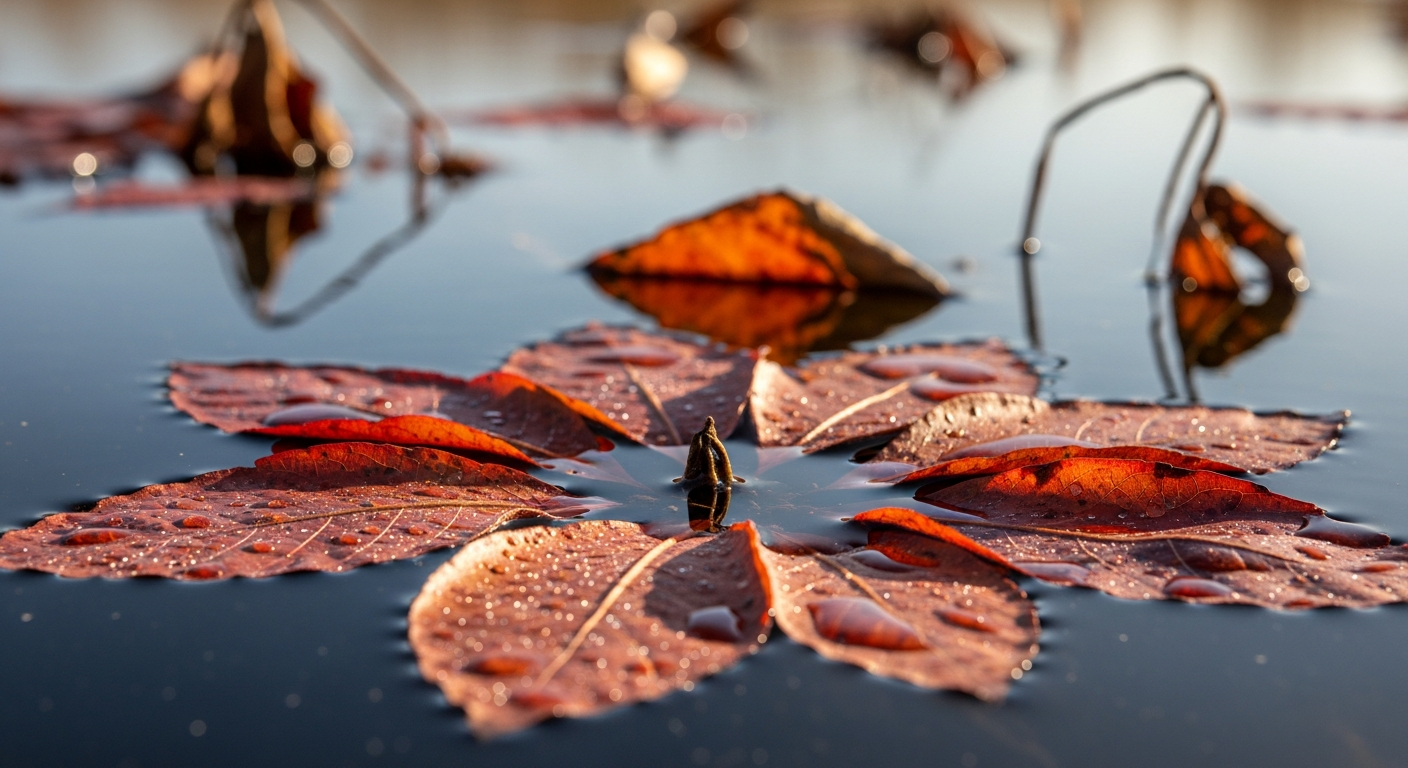
The species demonstrates broad pH tolerance in germination trials, with acceptable performance across the range of pH 5.5–8.5. Germination is most robust at near-neutral to slightly alkaline conditions (pH 6.5–7.5), reflecting the pH range of most productive temperate freshwater habitats. Strongly acidic conditions (pH below 5) substantially reduce germination and are thought to contribute to the relative scarcity of invasive populations in naturally acidic bog and moorland water bodies.
Salinity is a meaningful limiting factor for germination and establishment. Across germination trials, concentrations above 2–3 ppt cause significant germination inhibition, and concentrations above 5 ppt suppress germination almost completely. This osmotic sensitivity provides a natural resistance to invasion of brackish transition zones and estuarine habitats, though climate change-driven freshwater intrusion in coastal areas could shift this dynamic.
Sediment Characteristics and Seed Bank Dynamics
Sediment type influences both germination success and the longevity of seeds in the seed bank. Seeds germinate successfully on a range of substrates including sand, silt, clay, and organic muck, but establishment vigor is highest on fine sediments with moderate organic matter content. These conditions support rapid root anchorage and nutrient acquisition during the critical early seedling phase.
Seed bank studies from invaded European water bodies indicate that L. peploides seeds can remain viable in anaerobic sediment conditions for at least 2–4 years, with some estimates extending to 5 years under optimal cold, anoxic storage conditions. This persistent seed bank represents a significant management challenge: even after complete removal of above-ground vegetation and actively growing propagules, seed banks can sustain population recovery over multiple seasons.
Conclusion
The germination ecology of Ludwigia peploides reflects a species well-adapted to exploit the seasonal dynamics of temperate freshwater habitats. Warm spring temperatures trigger rapid, high-percentage germination, while broad tolerance for pH and sediment type enables establishment across diverse conditions. The persistence of viable seeds in sediment banks underscores the importance of long-term monitoring following management interventions, as regeneration from seed can continue for years after surface populations have been controlled. Future research should focus on quantifying seed bank density and viability in managed sites, and evaluating whether physical sediment disturbance during mechanical removal significantly increases or decreases seed germination through burial depth effects.